



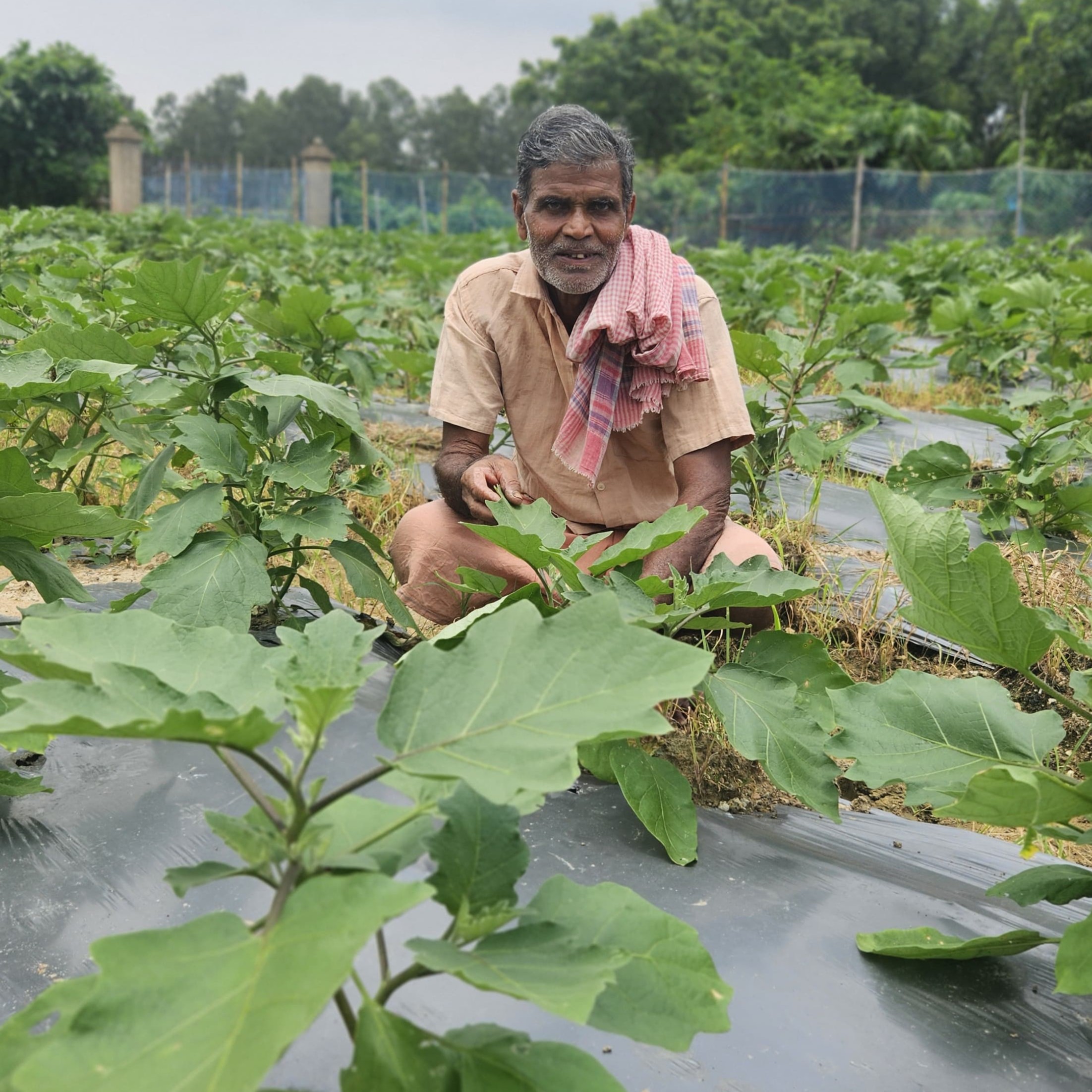

Empowering the Farmers of Odisha
India | 2016–present
Boosting Vegetable Production in Odisha
While rice remains the predominant crop in Odisha state, there are ample opportunities for profitable vegetable production for farmers who have the skills and knowledge. Since 2016, we have trained over 58,800 Odisha farmers in sustainable farming practices.
The Promise of Pumpkin
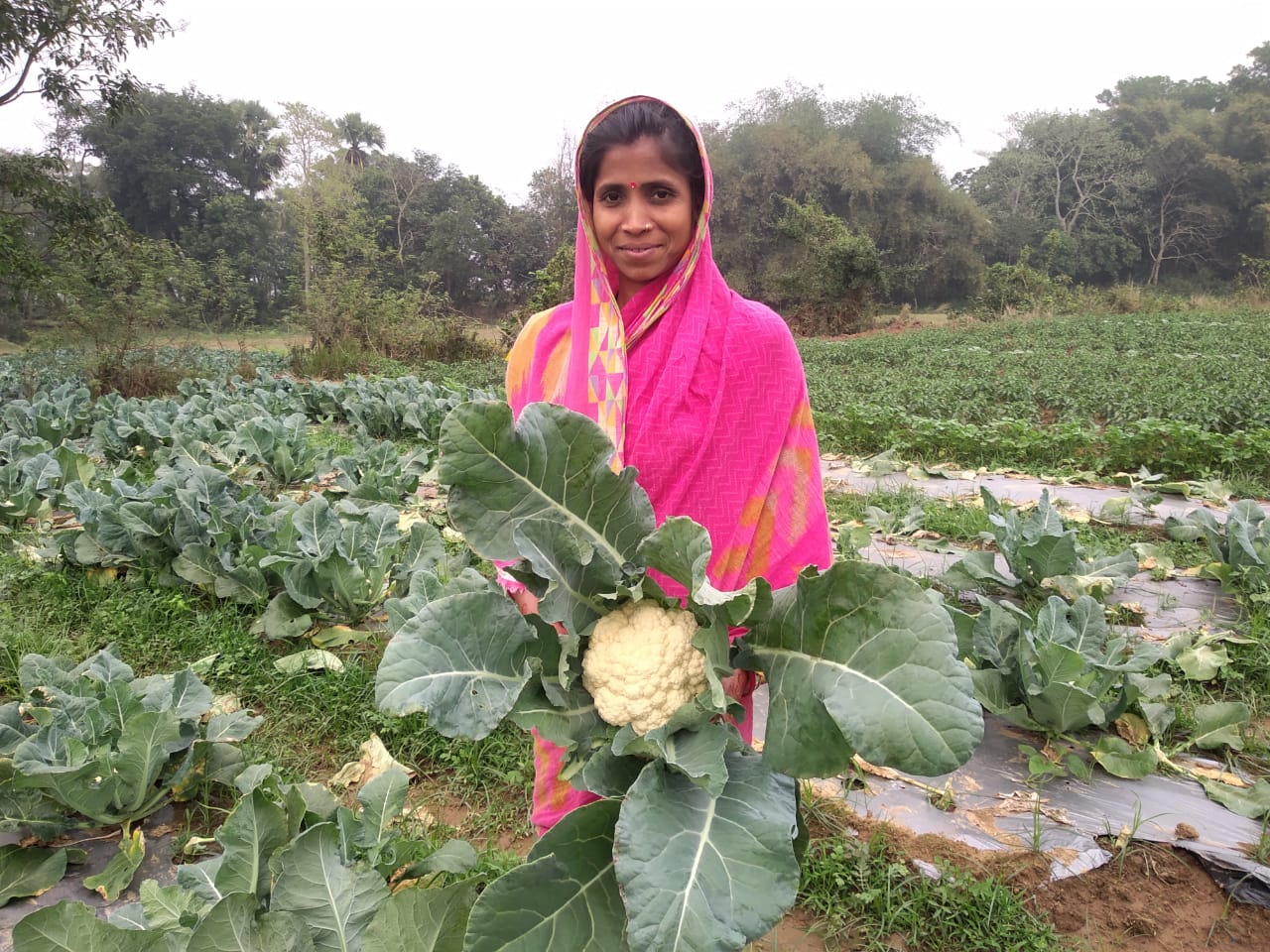
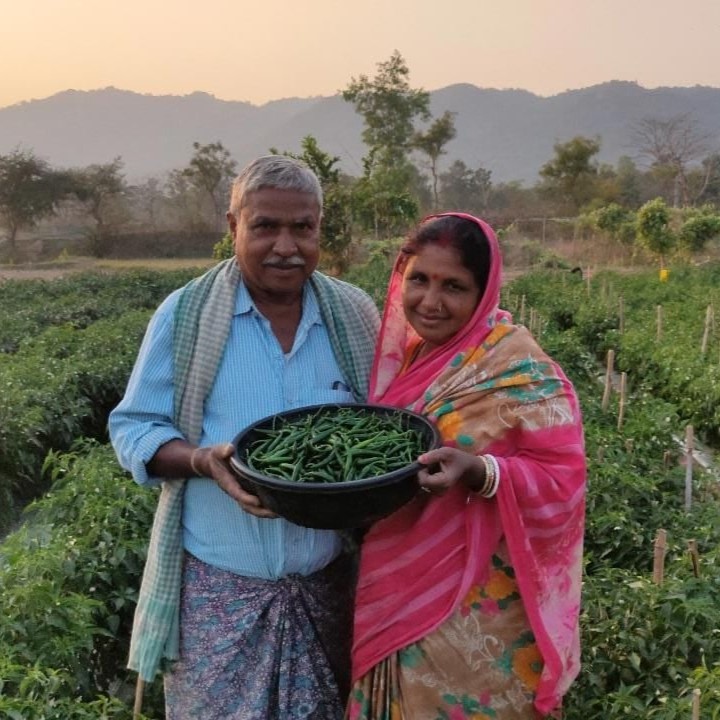
Hot pepper, bitter gourd, and pumpkin have become especially popular crops among the farmers we work with in Odisha.
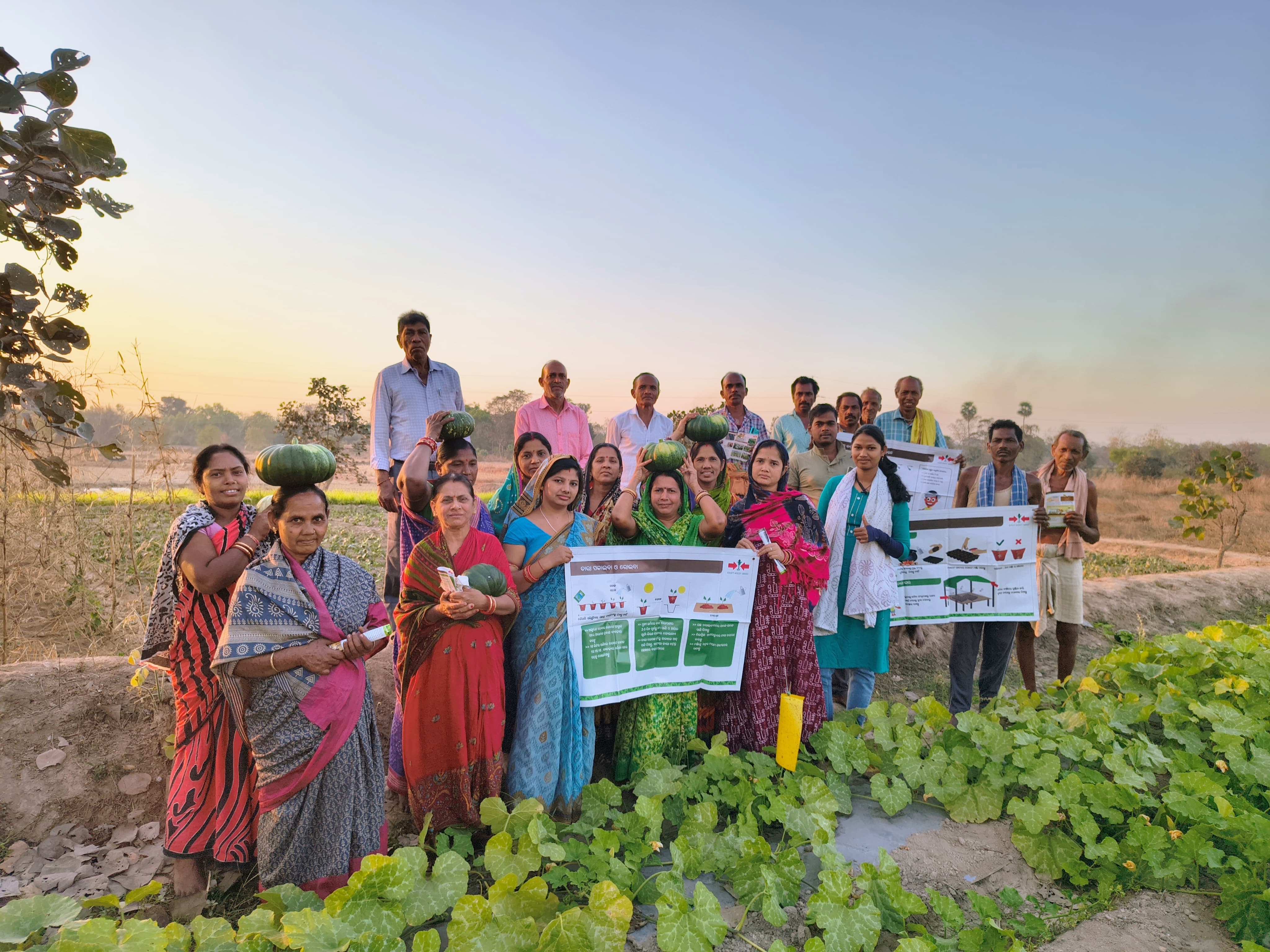
In the last few years, pumpkin farming has exploded in the eastern part of the state. Farmers using improved cultivation techniques and high-quality seeds have turned the Keonjhar and Mayurbhanj districts into a pumpkin farming hub.
Center of Excellence in Vegetable Production
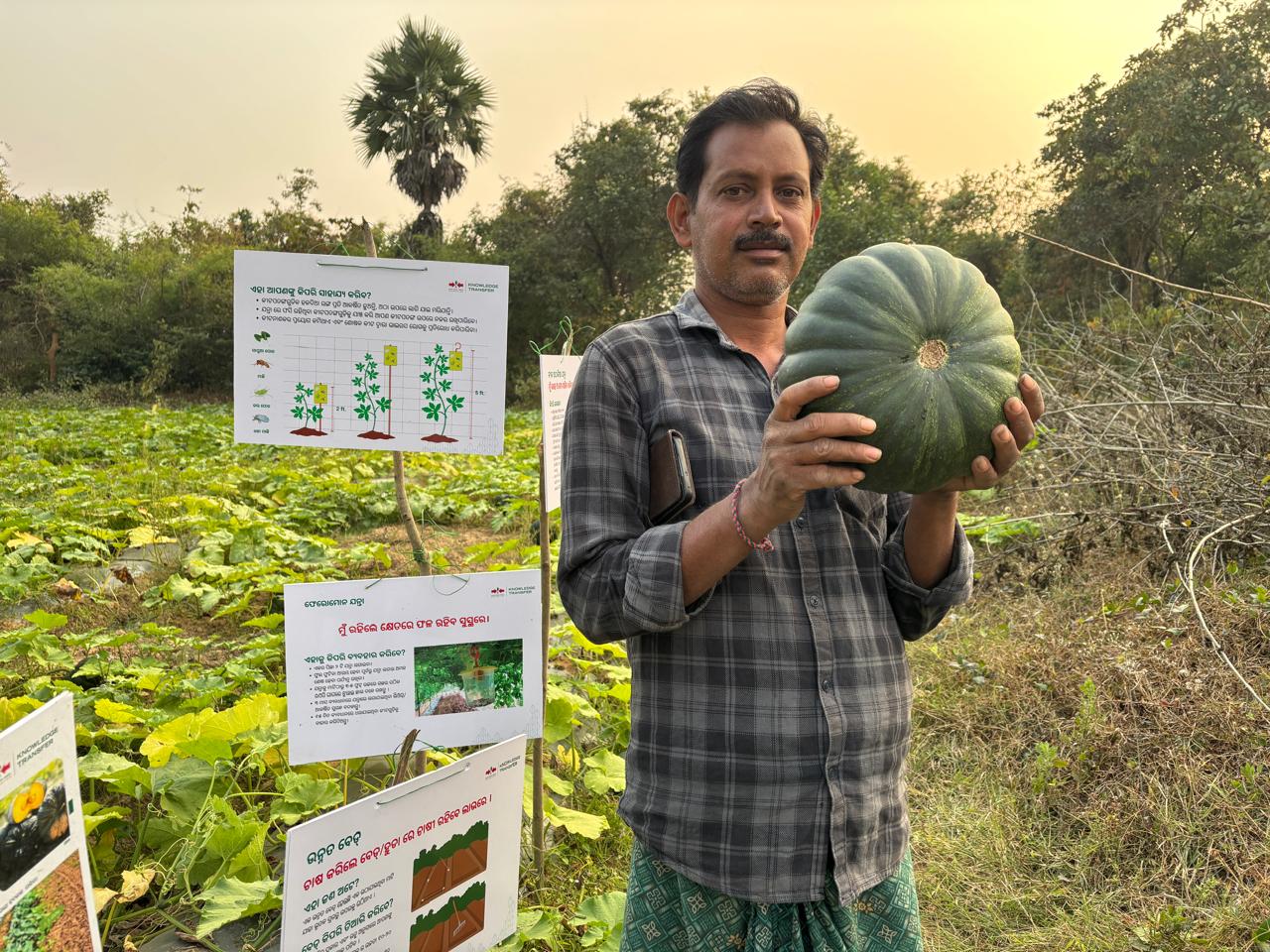
In June 2022, EWS-KT opened the Center of Excellence learning farm in Keonjhar to model improved vegetable farming methods, with a focus on climate-resilient practices.
The Center of Excellence provides practical training to stakeholders such as farmers, agriculture students, and NGO staff, and offers informational tours to government officials and other interested parties.

Action Research
At the Center of Excellence in Keonjhar, we also conduct action research to customize and optimize vegetable production practices for local farmers.
Recent action research projects include green manuring to improve soil health and nature-based solutions for managing bacterial wilt, especially in solanaceous crops like tomato, eggplant, and hot pepper.

Odisha Stories & News


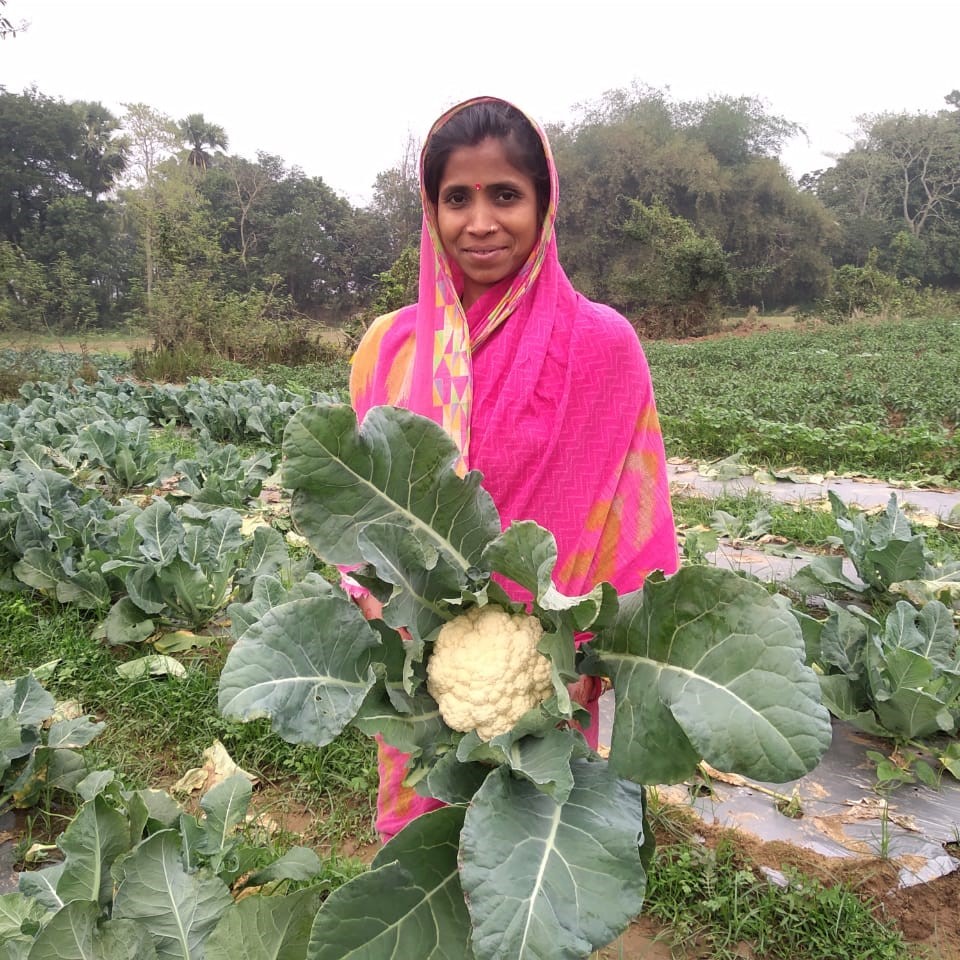


Odisha Initiative Overview
Context and Objective
Odisha state is located in eastern India, along the Bay of Bengal. Approximately 80% of Odisha residents live in rural areas, and the state has a significant tribal population. With nearly half of Odisha’s workforce involved in agriculture (Source: Odisha Economic Survey 2023-24), there is a critical need for improving farming practices.
The majority of farmers in Odisha are small and marginal landholders, with an average landholding of only 1.25 hectares, which limits their ability to scale production. Farmers in the state face numerous challenges, including inadequate knowledge of climate-resilient farming and inconsistent access to agricultural inputs, soil that is degraded or problematic (acidic, waterlogged), inefficient irrigation, poor pest and disease management, and fragmented landholdings. These challenges are compounded by traditional farming practices that result in low productivity and leave farmers at the lower end of the economic and social hierarchy. (Source: Directorate of Horticulture, Government of Odisha)
To address these challenges, it is crucial to introduce improved agricultural techniques to increase farmers’ yields and income. Equally important is restoring the dignity and self-respect of the farming community by transforming agriculture into a profitable business. While rice remains the dominant crop in Odisha, there is an urgent need for crop diversification into high-value crops such as fruits and vegetables.
In response, EWS-KT is sharing climate-resilient techniques and technologies that empower smallholder farmers to adopt profitable and sustainable vegetable production practices. With greater knowledge of good agricultural practices, the farmers we train are also optimizing the use of chemical inputs to reduce their impact on soil and water quality, contributing to environmental sustainability.
Activities
- Intensively train smallholder farmers on climate-resilient vegetable production techniques through establishing field demonstration plots, conducting practical trainings, and organizing public Field Day events.
- Showcase improved vegetable farming practices at the Center of Excellence learning farm in Koenjhar and hold on-site trainings on the demonstrated techniques.
- Reach additional farmers through digital materials, online courses, and social media groups that focus on sustainable farming techniques.
- Facilitate linkages with agro-input dealers to improve the availability of high-quality agricultural inputs in the region and strengthen the vegetable production supply chain.
Partners
Our initiative in Odisha is funded solely by East-West Seed Knowledge Transfer Foundation. Contact us for partnership opportunities.
Project Period
2016–present
Location
India: Odisha