

Changing Farmers’ Lives in Ghana: Initial Achievements
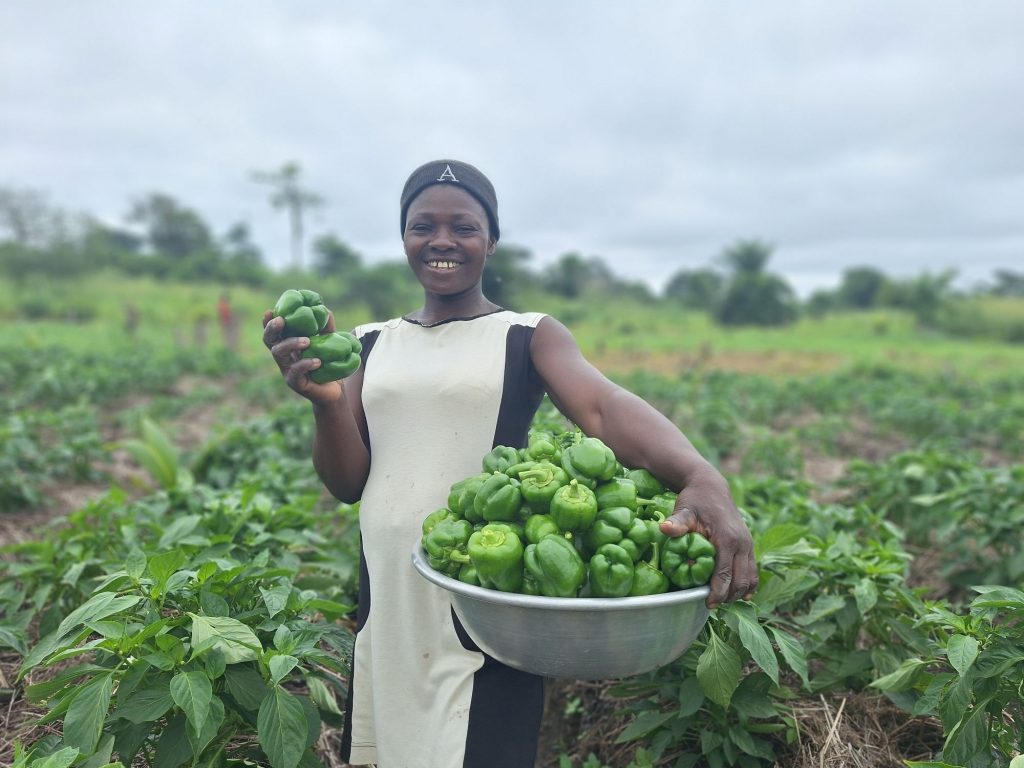
As we begin the second phase of the Transforming Vegetable Farming as a Business project in Ghana, we would like to share some highlights from the initial 16-month phase of the project. Both phases are supported by the Embassy of the Kingdom of the Netherlands in Accra.
• Directly trained 7,733 farmers
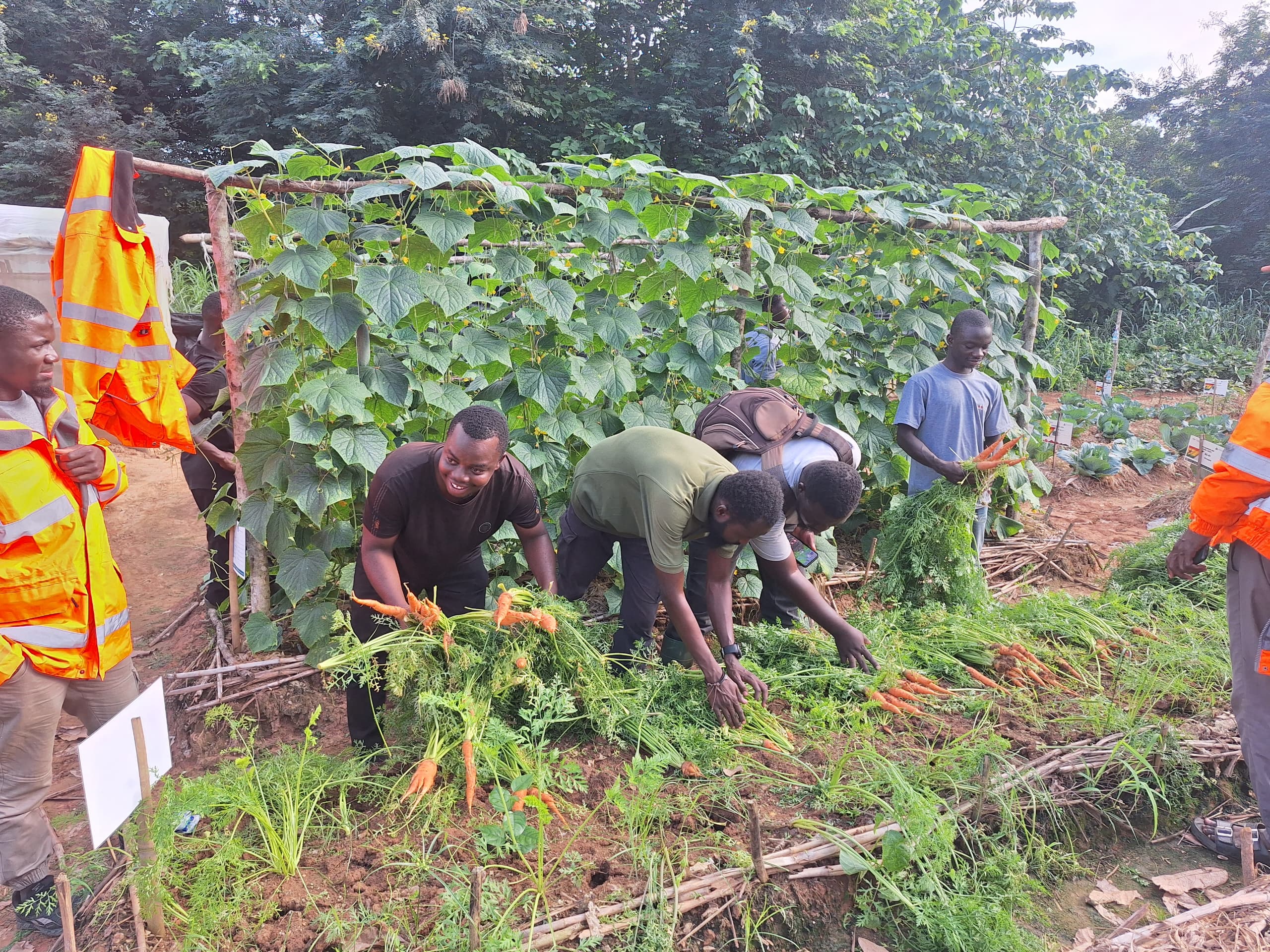
We guided key farmers to establish and manage nearly 300 demonstration plots showcasing climate-smart techniques for growing onions, tomatoes, cabbages, cucumbers, eggplants, sweet peppers, and hot peppers. These community-based learning hubs enabled us to reach more than 7,000 nearby farmers through hands-on training sessions throughout the crop cycle.
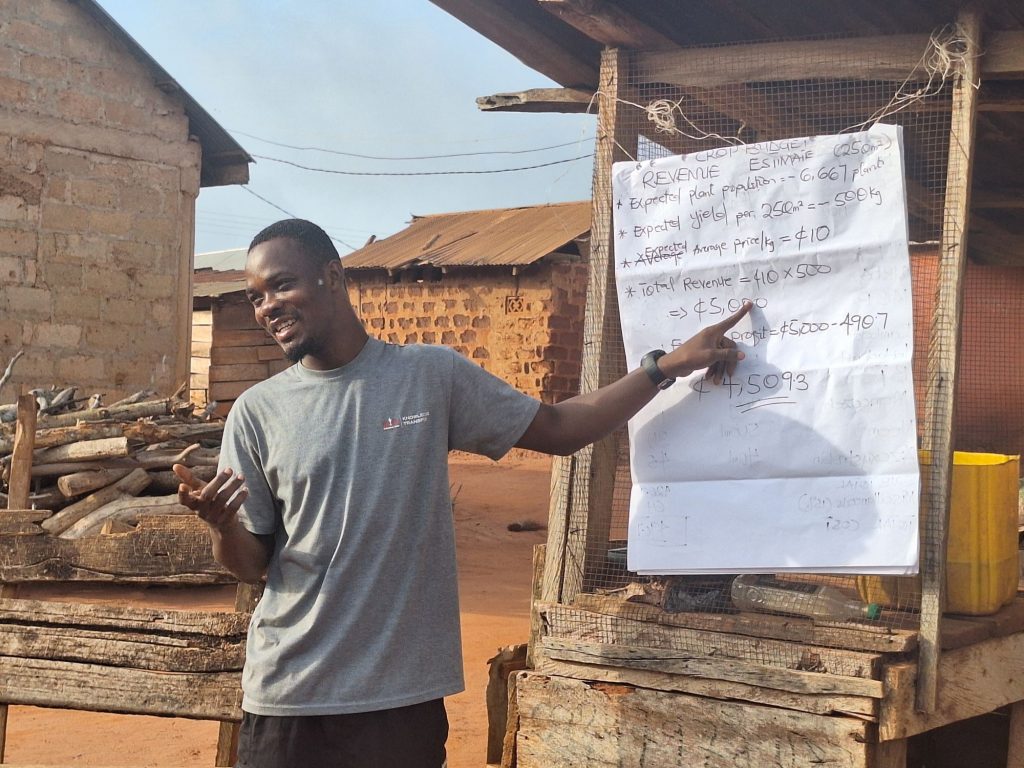
Training at our demo sites not only equipped farmers with improved horticultural techniques but also sharpened their business skills through business plan preparation and financial analysis. Participants now understand return on investment (ROI) and cost-benefit analysis, applying this knowledge to optimize their operations.
• Drove adoption of improved techniques
Farmers’ adoption of new techniques can take time. However, 48% of farmers trained under the first phase of this project have already adopted at least 5 of our innovative farming methods.
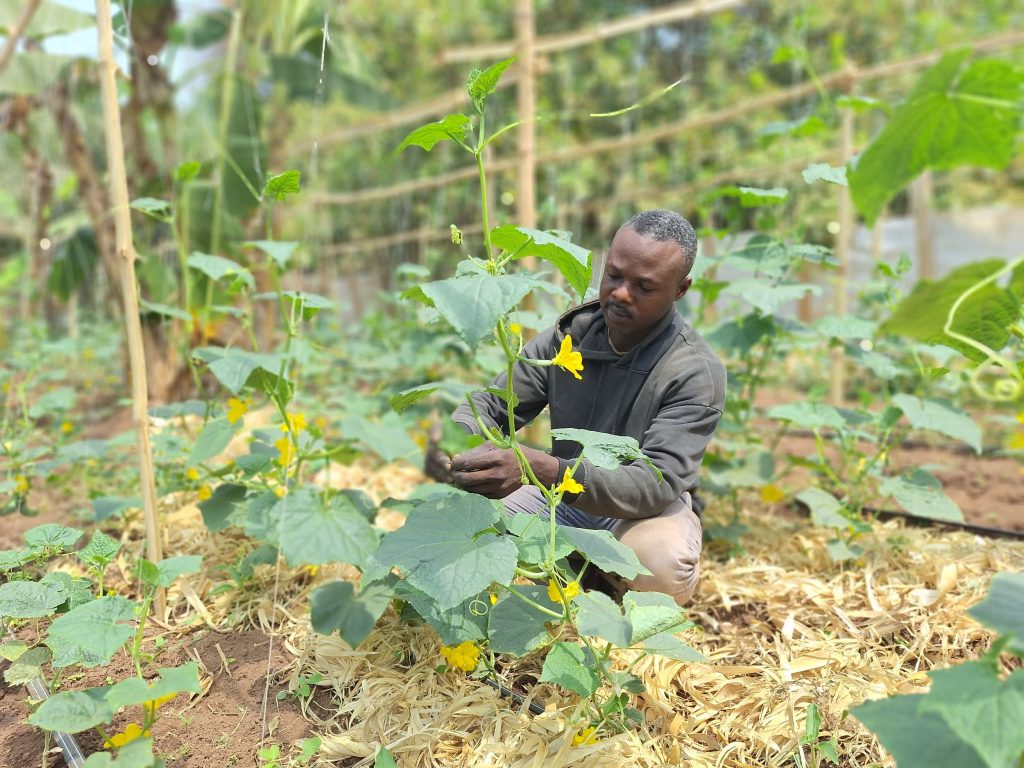
New seedling systems—covered ground nurseries, seedling trays, or eco-friendly leaf pots—are the most adopted techniques. Farmers are also eager to implement land preparation techniques like raised beds, optimal plant layout, trellising, and mulching, and to select improved vegetable varieties based on their agronomic traits and their suitability for the market. Completing the top 5 adopted practices are effective nutrient management and responsible pest and disease management. Participating farmers have reported significantly lower pesticide usage, alongside yield and income gains.
• Enabled farmers to increase their income
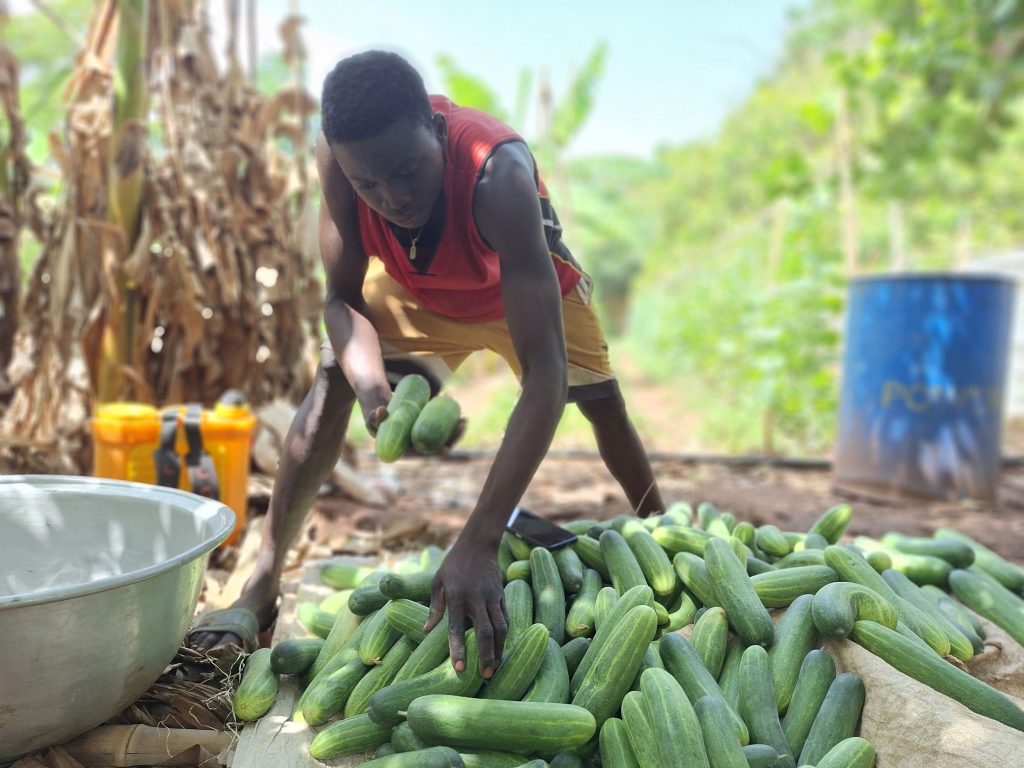
Demonstration plot returns showed, on average, a net profit that was 4 times the cost. On a 250-square-meter plot, farmers realized an average net profit of $122 against an average cost of $30. This is a good indicator of the profitability achievable through improved agricultural practices.
• Utilized media platforms to reach more farmers
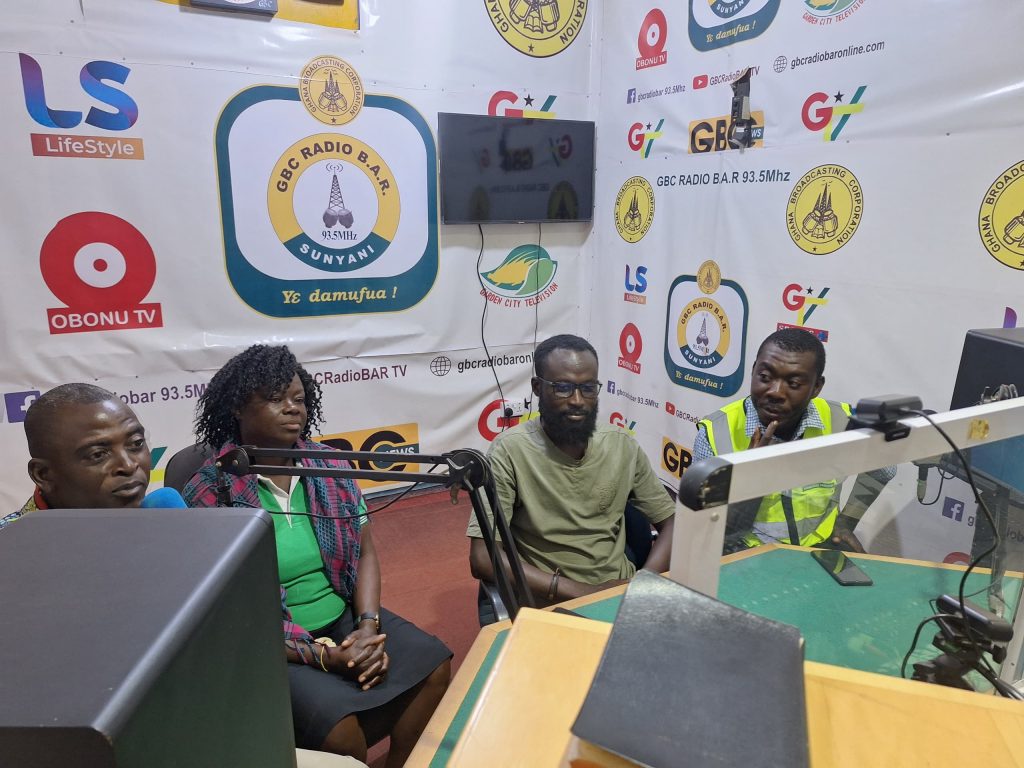
We shared vegetable production knowledge through a 10-episode radio program (now available as a podcast), and our Farming in Ghana Facebook group garnered over 11,000 followers. We also rolled out VeggieTap for Africa, a free, easy-to-navigate mobile phone app that teaches basic and advanced vegetable production techniques. VeggieTap was developed by EWS-KT and is powered by SkillEd.
• Launched our first learning farm
Our initial learning farm, located in Sunyani Abesim, showcased a variety of crops and techniques to farmers and other stakeholders. The learning farm served as a training venue for our staff, as well as a group of IDH agronomists, and was a site for green manure research in collaboration with Wageningen University & Research.
• Fostered market connectivity
We hired a Market Linkages Officer—the first such position across EWS-KT—to connect with market actors and increase our understanding of market challenges and opportunities in Ghana. During the project’s first phase, the Market Linkages Officer built relationships with 10 market leaders and 120 vegetable marketers, linking them to EWS-KT farmers. Having direct access to reliable markets has enabled farmers to sell their produce at better prices, reduce their reliance on middlemen, and minimize post-harvest losses.
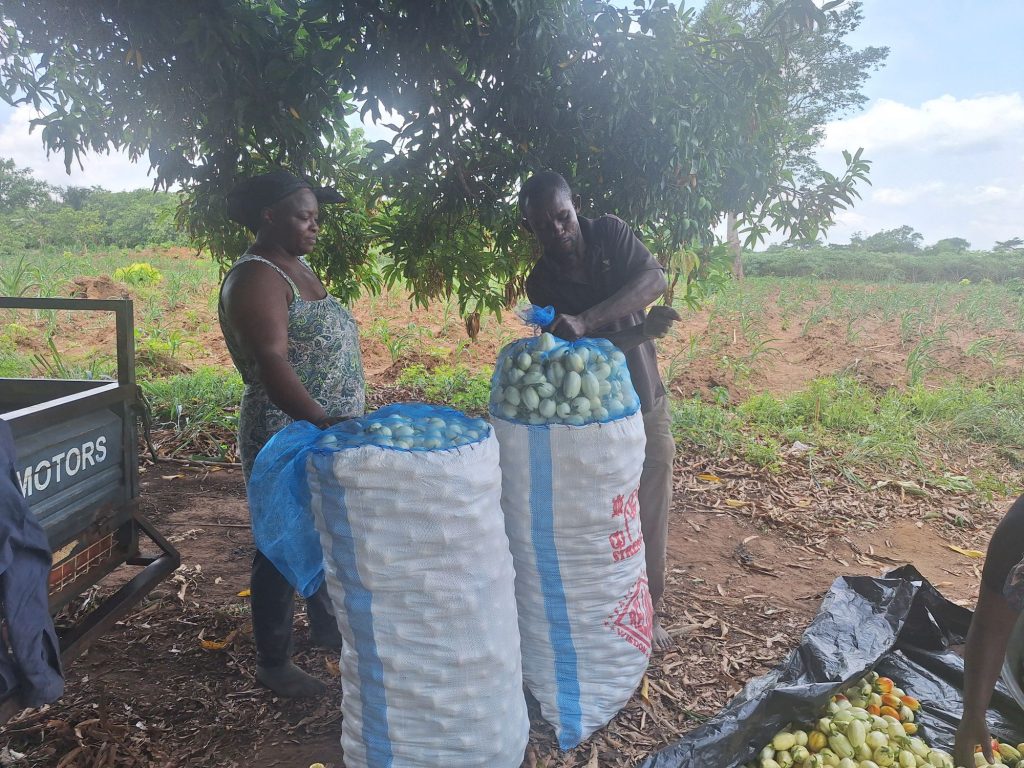
While we have accomplished a lot in a short amount of time, there is much more to do. As we move forward with phase 2 of the project, we are excited about the opportunities to further boost smallholder farmers’ productivity and incomes in Ghana.