

SUPREME Challenge Fund: Lasting Impact
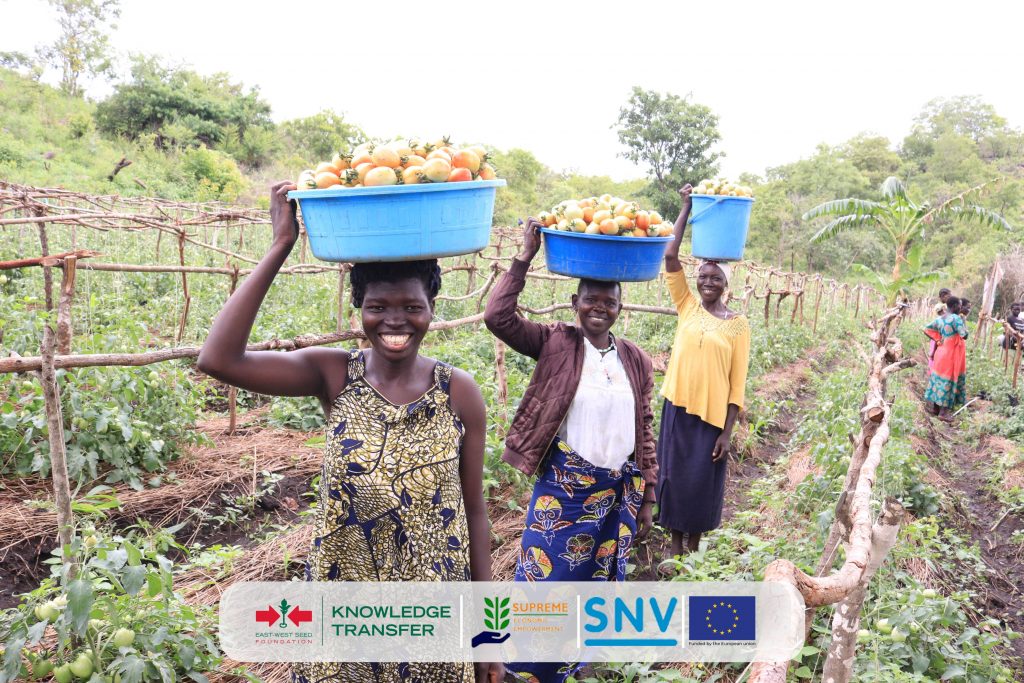
TEREGO DISTRICT, UGANDA – Three years after participating in a Security, Protection and Economic Empowerment (SUPREME) Challenge Fund project implemented by East-West Seed Knowledge Transfer Foundation, young farmers in the West Nile area of Uganda continue to implement the vegetable cultivation techniques they learned.
The SUPREME Challenge Fund was funded by the European Union and managed by SNV. While EWS-KT’s project under this initiative was small, it has had a big impact.
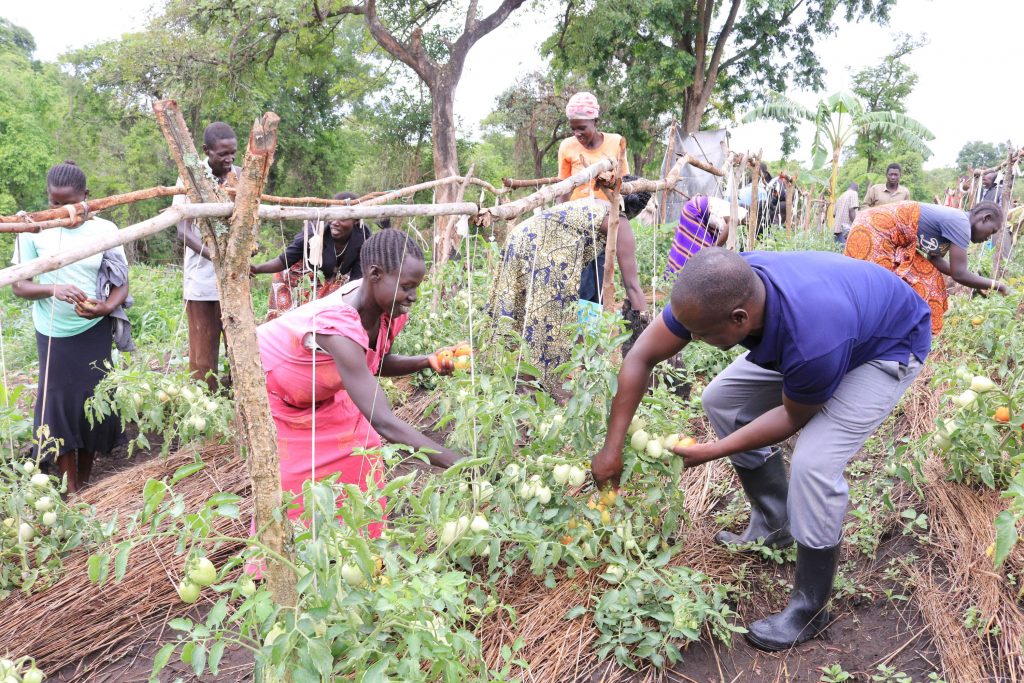
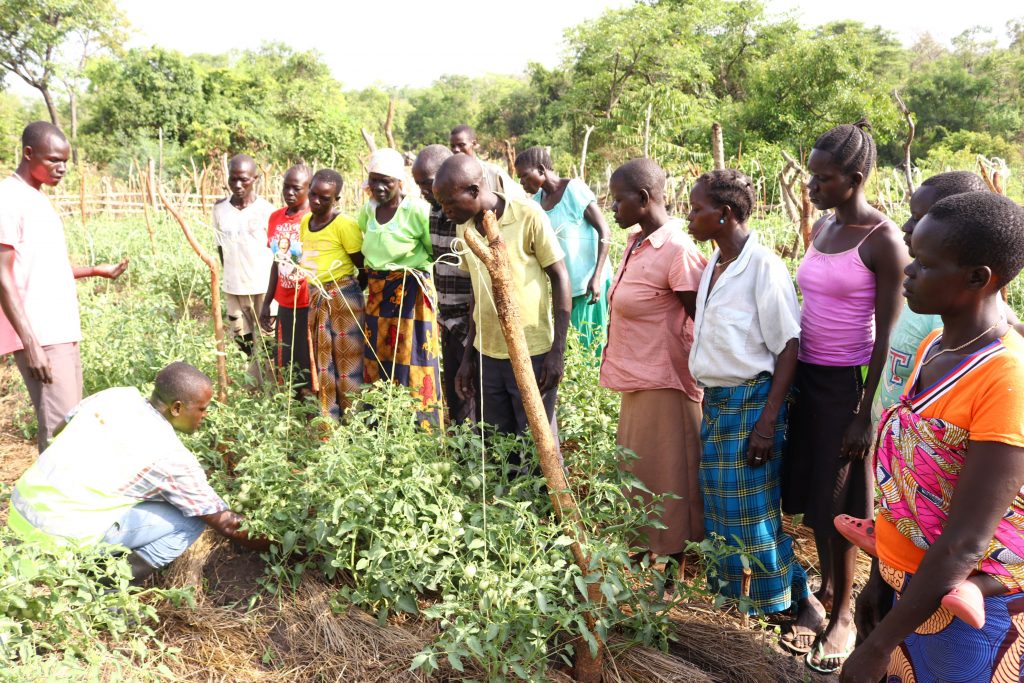
Implemented from December 2021 to June 2022, the project aimed to economically empower youth in Rhino Camp and Imvepi refugee settlements and host communities. On-field training sessions equipped participants with entrepreneurial skills and practical farming techniques, with the goal of improving livelihoods, raising yields, and increasing household income.
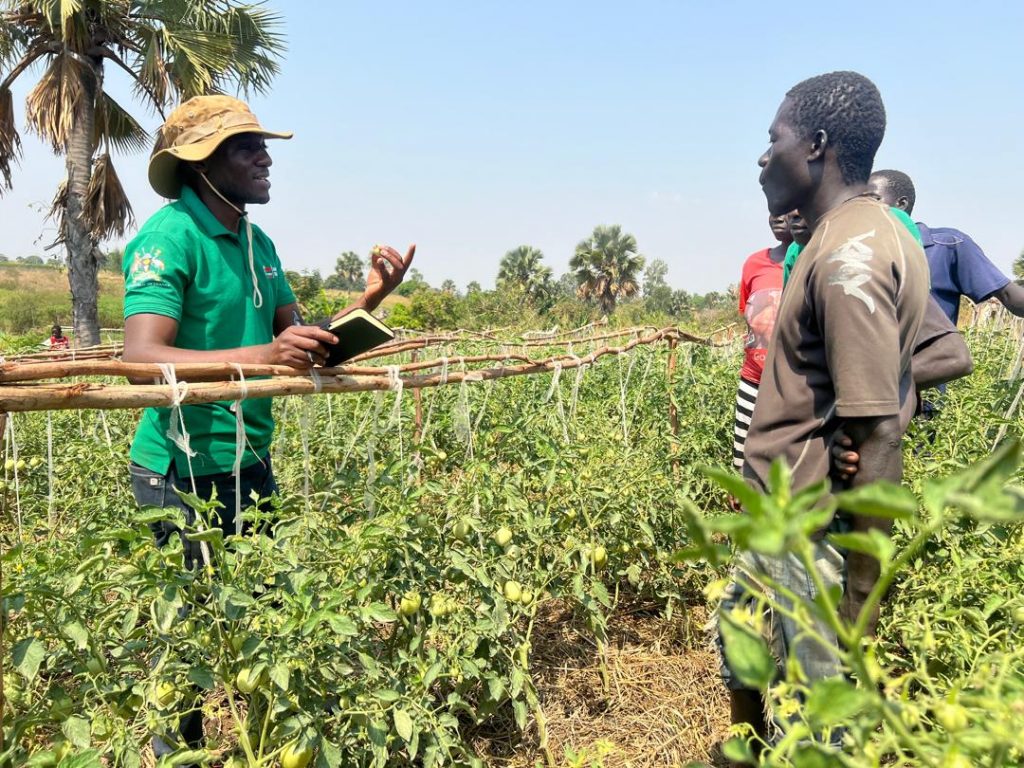
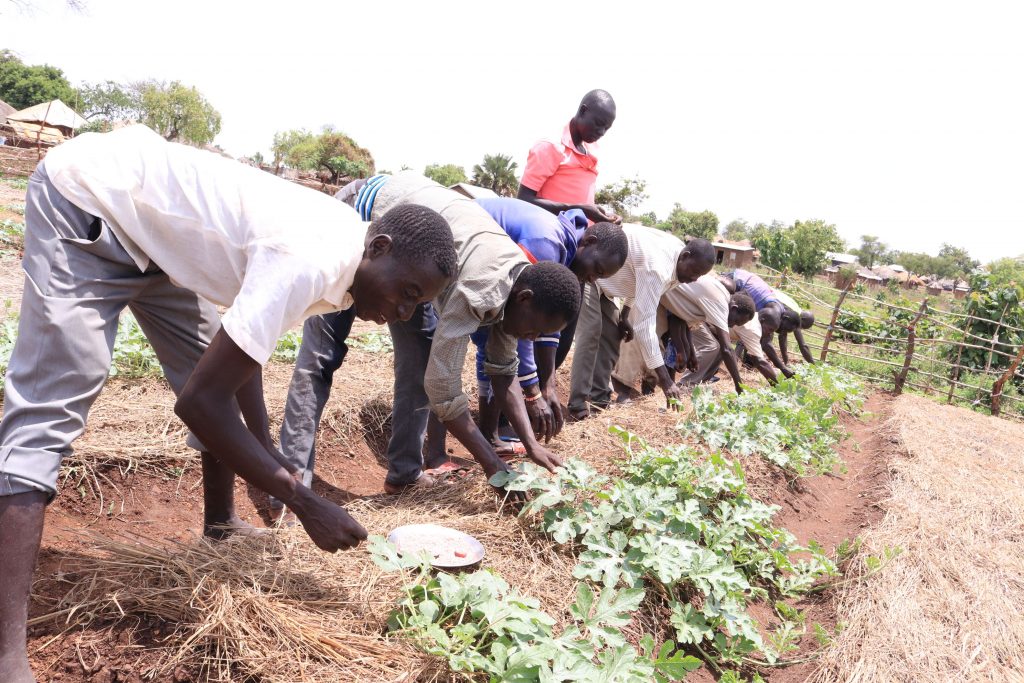
These youth are using quality seeds, trellising, mulch, raised beds, appropriate fertilization, and integrated pest management techniques—practices they learned through the SUPREME Challenge Fund project. They have also adopted a staggered production schedule that enables them to consistently supply produce to the market.
Through the training sessions, 1,071 youth between the ages of 18 and 35 (76% female; 24% male) learned about vegetable cultivation techniques like raised beds, improved seedling production, and mulching, as well as maintaining soil health, implementing optimal fertilization, and identifying and managing common pests and diseases. Of these young farmers, 55% were from the refugee community and 45% were from the host community.
These intensive trainings throughout the growing season were complemented by 40 Farmer Field Days, where farmers, vegetable traders, agro-input dealers, and other community members learned about opportunities within the vegetable production value chain and directly observed the improved techniques used by SUPREME Challenge Fund farmers.
Three years later, the project’s impact endures:
- Farmers who adopted best practices in soil and water management continue to apply techniques like mulching and efficient irrigation. This has led to improvements in soil fertility, water retention, and overall crop health, directly contributing to higher and more stable vegetable production.
- Increased adoption of integrated pest management (IPM) strategies has led to reduced crop losses from pests and diseases, ensuring healthier produce and more predictable harvests.
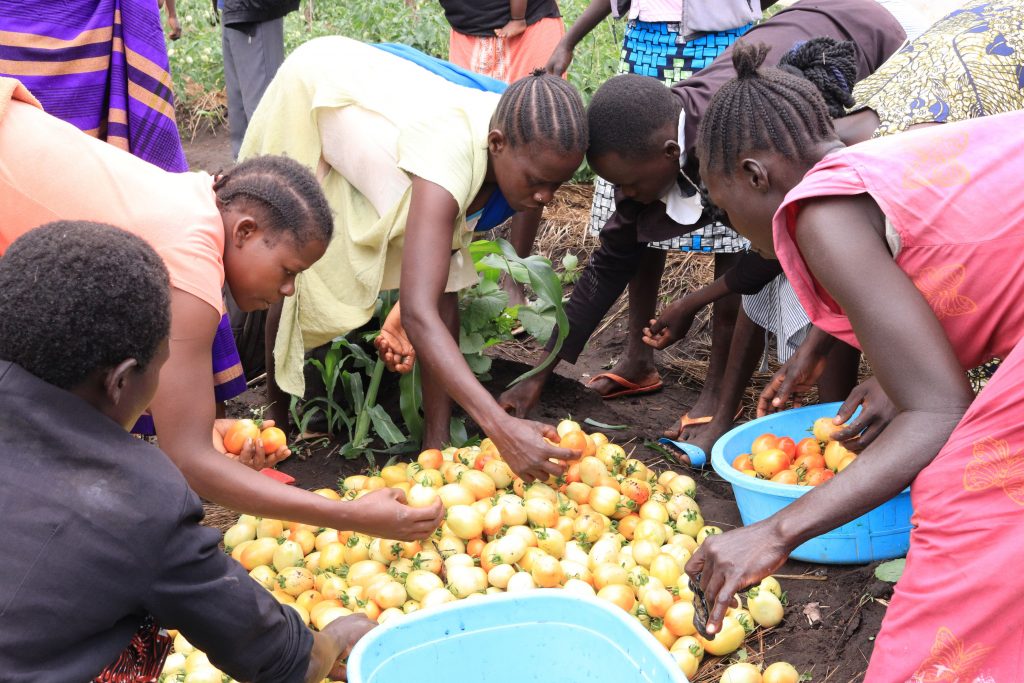
- Farmers’ sustained increase in productivity not only has led to improved food security at the household level but has also generated reliable surpluses for the market.
- Farmers’ shift to treating their farms as businesses, coupled with enhanced financial literacy, has been crucial for long-term economic gains. Participants continue to utilize basic farm record-keeping and cost calculations to make more informed investment and marketing decisions.
- Better business practices and higher revenue in vegetable production have led to increased household incomes, enabling improved access to education, healthcare, and other essential services.
- Higher demand for quality agricultural inputs has spurred investment by agro-input dealers in the project areas, increasing farmers’ access to a variety of inputs.