

Supporting Young Tanzanian Farmers in Challenging Times
By Elijah Mwashayenyi, Head of Knowledge Transfer for Africa
One year ago, on 28 May 2024, East-West Seed Knowledge Transfer Foundation (EWS-KT) and ACDI/VOCA kicked off the 3-year project Transforming Tanzania’s Vegetable Markets, a component of the Feed the Future Tanzania Kilimo Tija Project supported by USAID. With a plan to build the capacity of 8,450 smallholder farmers (60% youth, 50% women) in the vegetable sector and 60 agrodealers, the project gained full momentum within a few months.
Unfortunately, the co-funding from USAID was terminated in late January 2025. Nevertheless, EWS-KT has continued to implement the project—albeit at a lower intensity—using its core funding from East-West Seed.
A Project That Came at the Right Time
It would be an understatement to say that the Transforming Tanzania’s Vegetable Markets project came at the right time. Rising youth unemployment meant that something had to be done. Rural-to-urban migration in search of nonexistent jobs was also a matter of concern. Yet agriculture, with all its humbleness, continued to offer ready employment for anyone who decided to venture into it.
In 2022, the government started the Building a Better Tomorrow (BBT) program, with a plan to train 200,000 youth in agriculture. Involving the private sector and NGOs was regarded as a prudent move. So were separate youth-related agriculture initiatives that emanated from the same sectors, including Transforming Tanzania’s Vegetable Markets.
Getting the Right Formula

When EWS-KT and ACDI/VOCA decided to embark on this project with funding from USAID and EWS-KT, they knew that their work was cut out for them. Getting youth to be enthusiastic about agriculture is never an easy task. After all, they have witnessed their parents toil for many years for very little. The archaic nature of some of the agricultural practices that are still being employed is also not inspiring.
It was against this backdrop that the two organizations had to find the right formula. This was the approach:
- Utilizing the long-proven method of vegetable production demonstration plots on farmers’ fields as a vehicle for knowledge transfer.
- Exposing youth to business plans, with realistic tangible results ensuring that they “see the money.”
- Introducing youth to improved methods of farming.
- Exposing youth to modern extension, including use of digital tools and information.
- Making vegetable price information available so youth can make informed decisions about crop choices and markets.
- Connecting youth with markets to ensure that they always have a market for their produce.
- Developing other parts of the value chain, including agro-input suppliers, seedling producers, aggregators, irrigation equipment suppliers, etc., to ensure that youth not only have access to these services but also have an opportunity to embark on such businesses where possible.
A Bump in the Road
No one could have expected the dramatic changes to global development aid that have happened in the last few months. But using its core funding from East-West Seed, EWS-KT committed to sustaining this youth-focused capacity-building project—not necessarily with the same intensity, but with the same resolve as when the partnership with ACDI/VOCA and USAID was still in place.
Despite a significantly tighter budget, EWS-KT is continuing its work with the young farmers in Morogoro, Iringa, Njombe, and Mbeya who have given so much effort and put so much hope into the production and marketing of vegetables.
Giant Strides in a Short Time
One year after the youth project started, there are significant results to report:
- 256 demonstration plots showcasing improved vegetable production technologies have been established (47% with young farmers and 38% with female farmers), with an average net profit of $389 per 500 square meters.
- 20,076 farmers (65% youth, 45% women) have been trained in good agricultural practices and business planning through 847 training events throughout the crop cycle. This is more than double the total planned outreach.
- A further 4,472 farmers (70% youth, 46% women) were reached through 60 public Field Days, which exposed participants to sustainable farming techniques and the business case of vegetables.
- 68 agro-input dealers received technical training in vegetable production, knowledge of fertilizers and chemicals, proper handling and storage of pesticides, responsible and judicious use of pesticides, proper fertilizer application, and safe disposal of pesticide containers.
- Existing and new youth initiatives are thriving, trained agro-input suppliers are giving quality advice to farmers, and seedling producers are supplying quality seedlings.
Young Farmers & Community Trainers
Profile: George Isaya
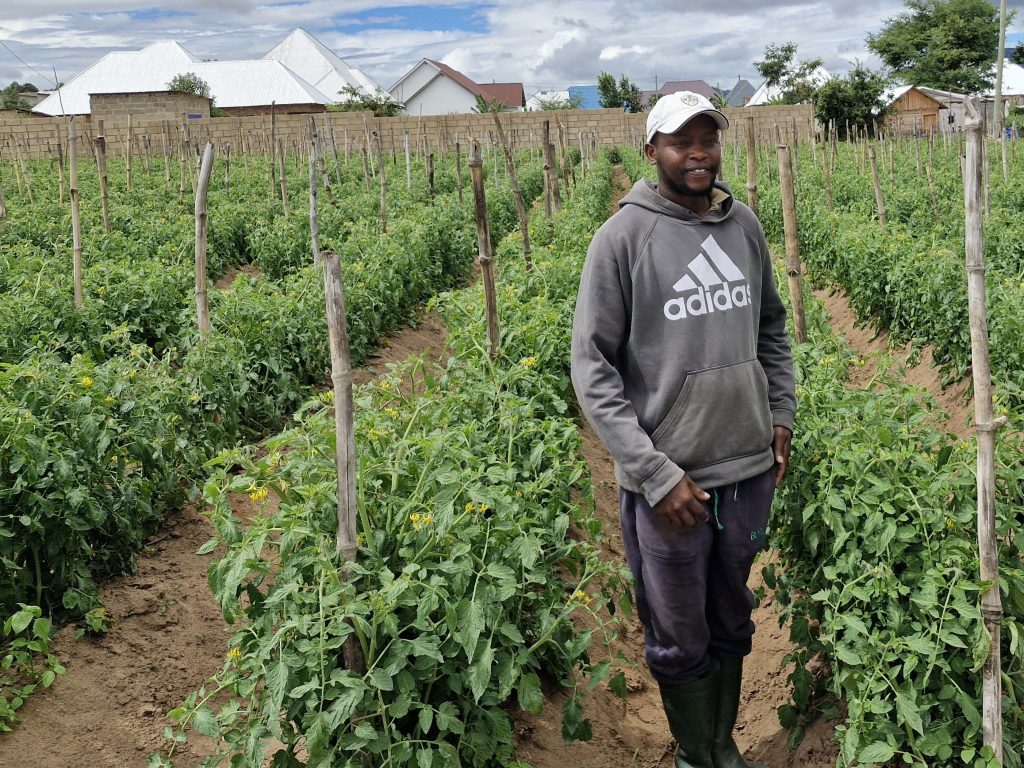
Youth trained by EWS-KT are continuing to embrace improved techniques for vegetable production and marketing. One example is 35-year-old George Isaya of Iringa. George learned vegetable production over one crop cycle, and before long he had inspired four women (including his wife Catherine) to adopt these practices too. He has now become a Community Field Trainer with EWS-KT, responding to the rising demand from neighbors requiring his services.
Through vegetable production and marketing, George has started building a new house and is able to pay school fees for his children. He has gained further experience and is now getting hired by different stakeholders to train other farmers.
Vegetable Aggregators
Profile: Emmili Lupumbwe
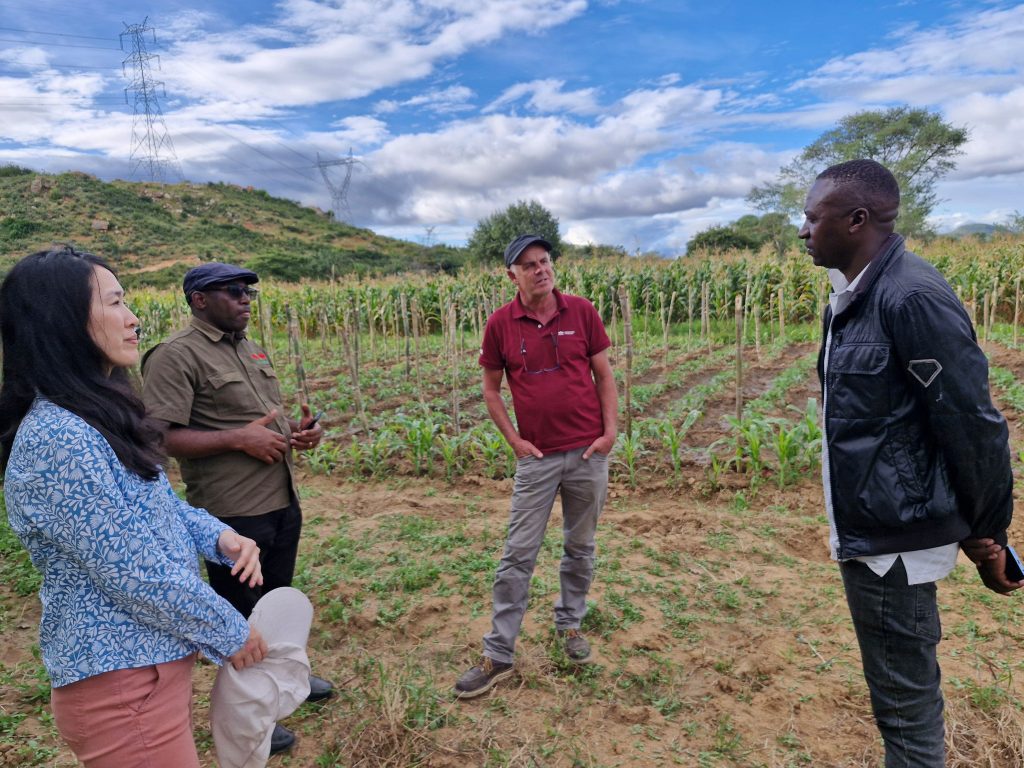
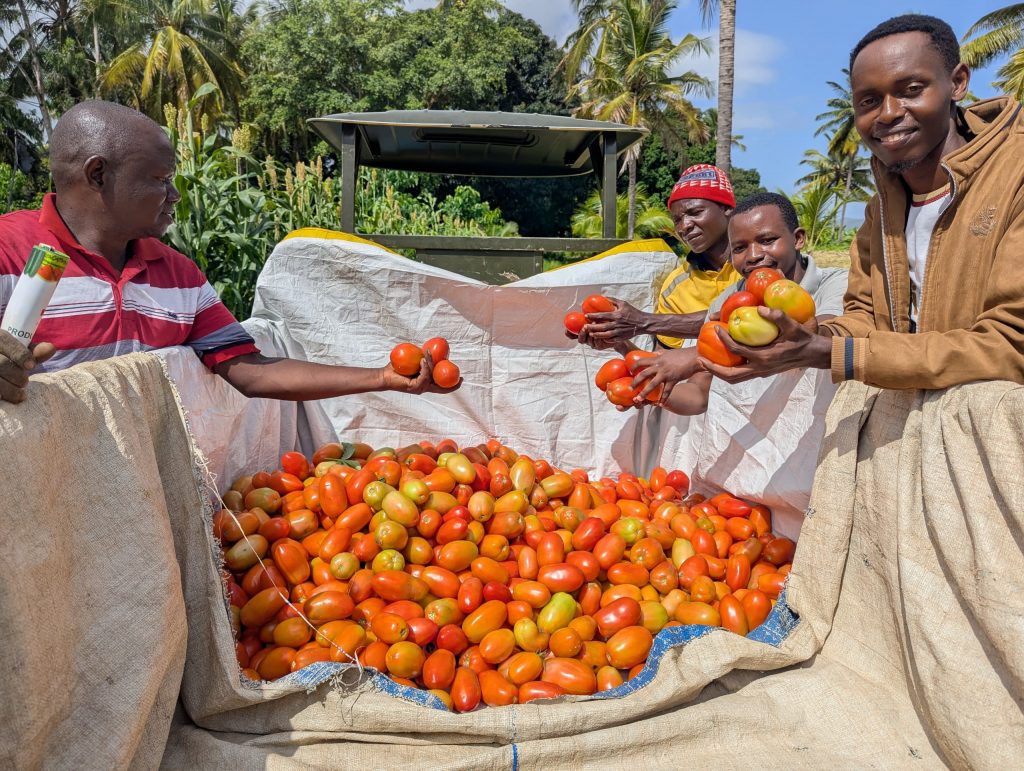
Produce from youth initiatives is finding its way to the markets, thanks to aggregators who are doing a remarkable job. Emmili Lupumbwe of Iringa is one such aggregator. His role is to connect farmers with markets.
There is an aggregator for each crop, and Emmili’s specialty is tomato. He has a network of 300 farmers, and he keeps good records of each of the farmers in his network. He was trained to be an aggregator by Fintrac Global, a fellow implementer under the USAID-supported Feed the Future Tanzania Kilimo Tija Project.
Seedling Producers & Agrodealers
Profile: Janet Masika Mwaisa
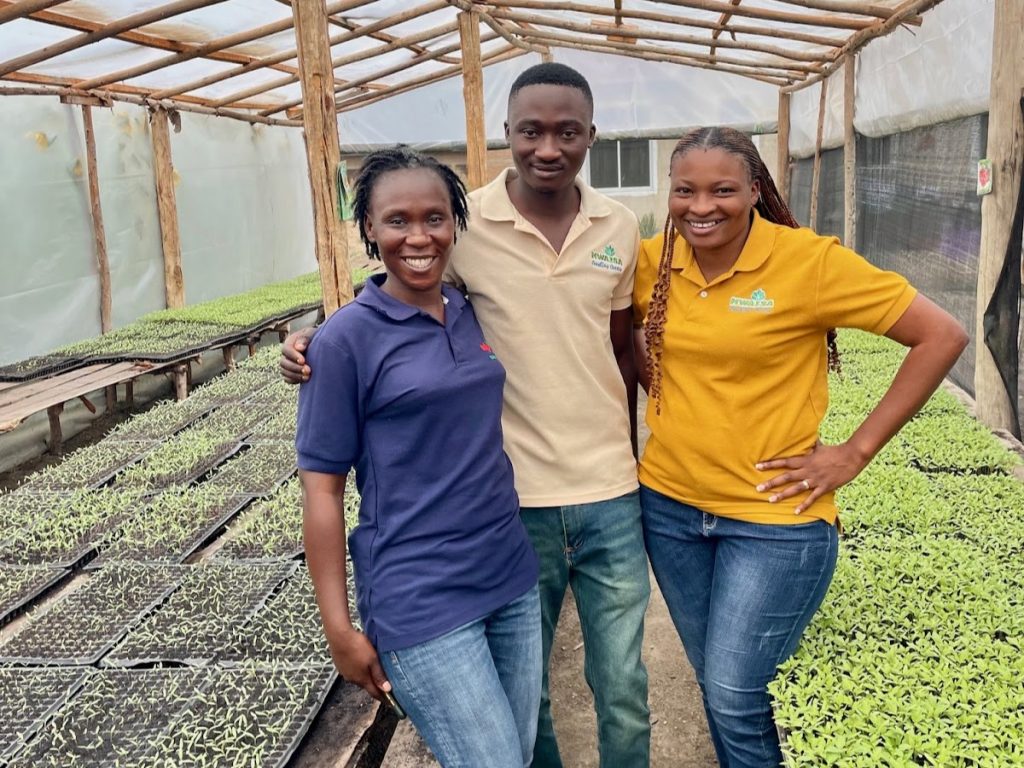
As part of the project’s commitment to developing the vegetable value chain, EWS-KT has been supporting agricultural enterprises like Mwaisa Seedling Centre, run by the Mwaisa family of Iringa. This business started before Transforming Tanzania’s Vegetable Markets but is reaping the benefits of technical support from the EWS-KT team implementing the youth project. The team advises the Mwaisas and also trains farmers (including youth) who then frequent the seedling center and the family’s agro-input shop.
Keeping the Momentum Going to Support Young Farmers
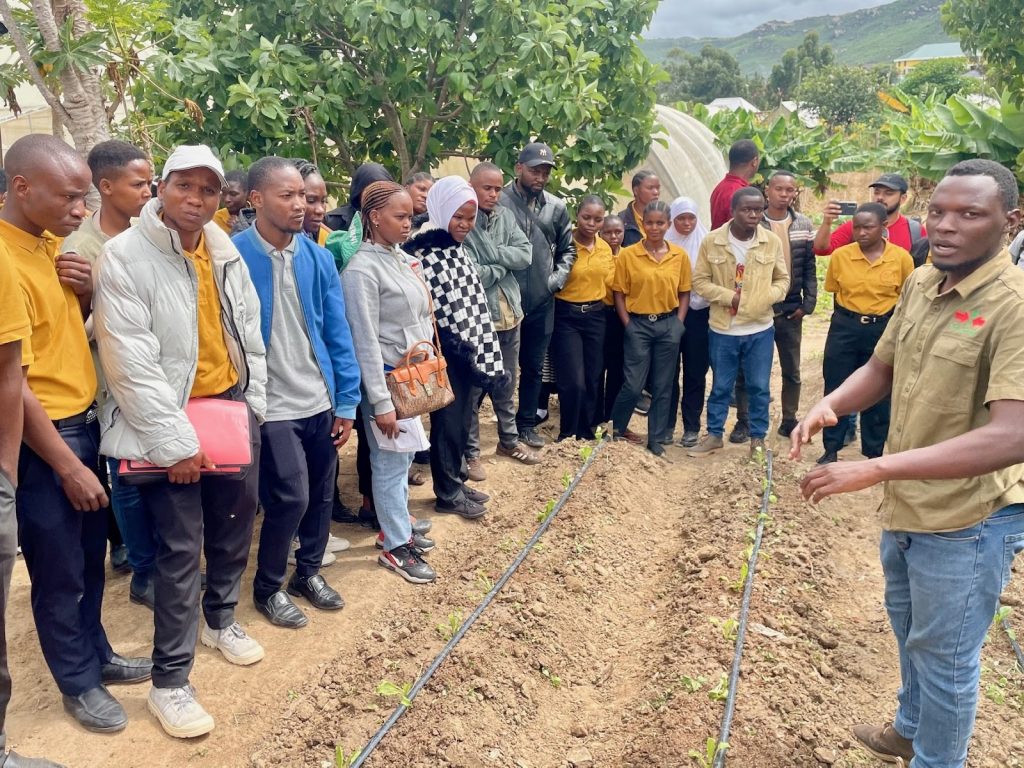
In addition to engaging youth through vegetable farming demonstration plots and hands-on training in their communities, EWS-KT is working with local organizations like Don Bosco Youth Training Center, a vocational center in Iringa that trains out-of-school youth in various skills for both formal jobs and self-employment. One of the skills is agriculture.
EWS-KT has partnered with the center to ensure that the youth in the agriculture department (currently numbering 55), receive the relevant skills needed to make it in life. Practical training is currently conducted a few kilometers away at the EWS-KT learning farm—a farming demonstration site showcasing multiple crops and a wide variety of techniques. A new learning farm will be set up at the Don Bosco center by EWS-KT in the near future. This will be a great development in an institution that also plans to do outreach for smallholder farmers in surrounding communities.
Hope for the Future
We would like to thank our Transforming Tanzania’s Vegetable Markets partner ACDI/VOCA for all their efforts, which have contributed to significant change to the vegetable markets in Tanzania.
We hope other organizations will now take this opportunity to build on the project’s momentum and join us in equipping young people with the skills and knowledge for successful vegetable farming.
Contact us to learn more about partnering with EWS-KT to strengthen vegetable markets and support youth farmers in Tanzania.