
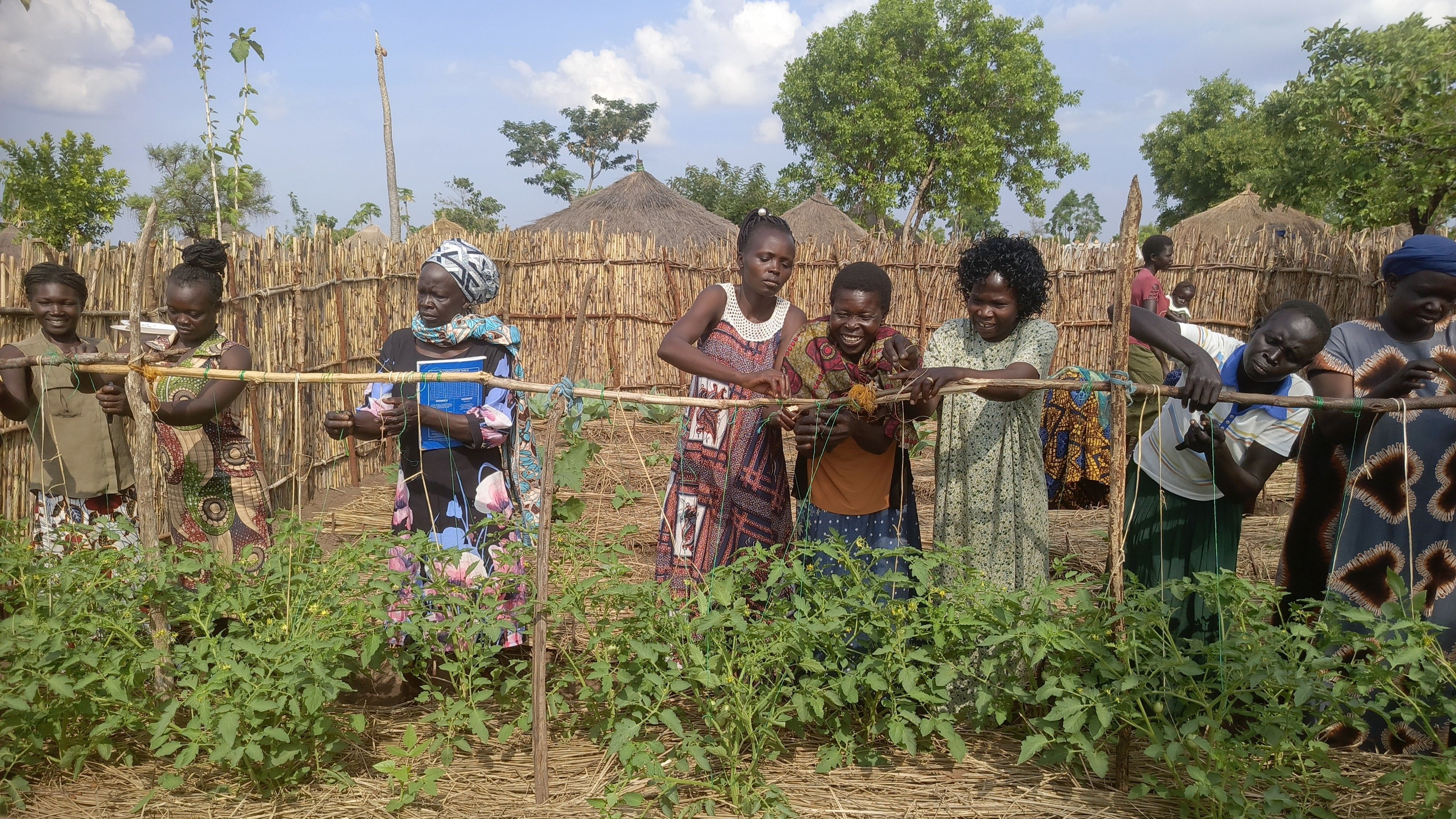

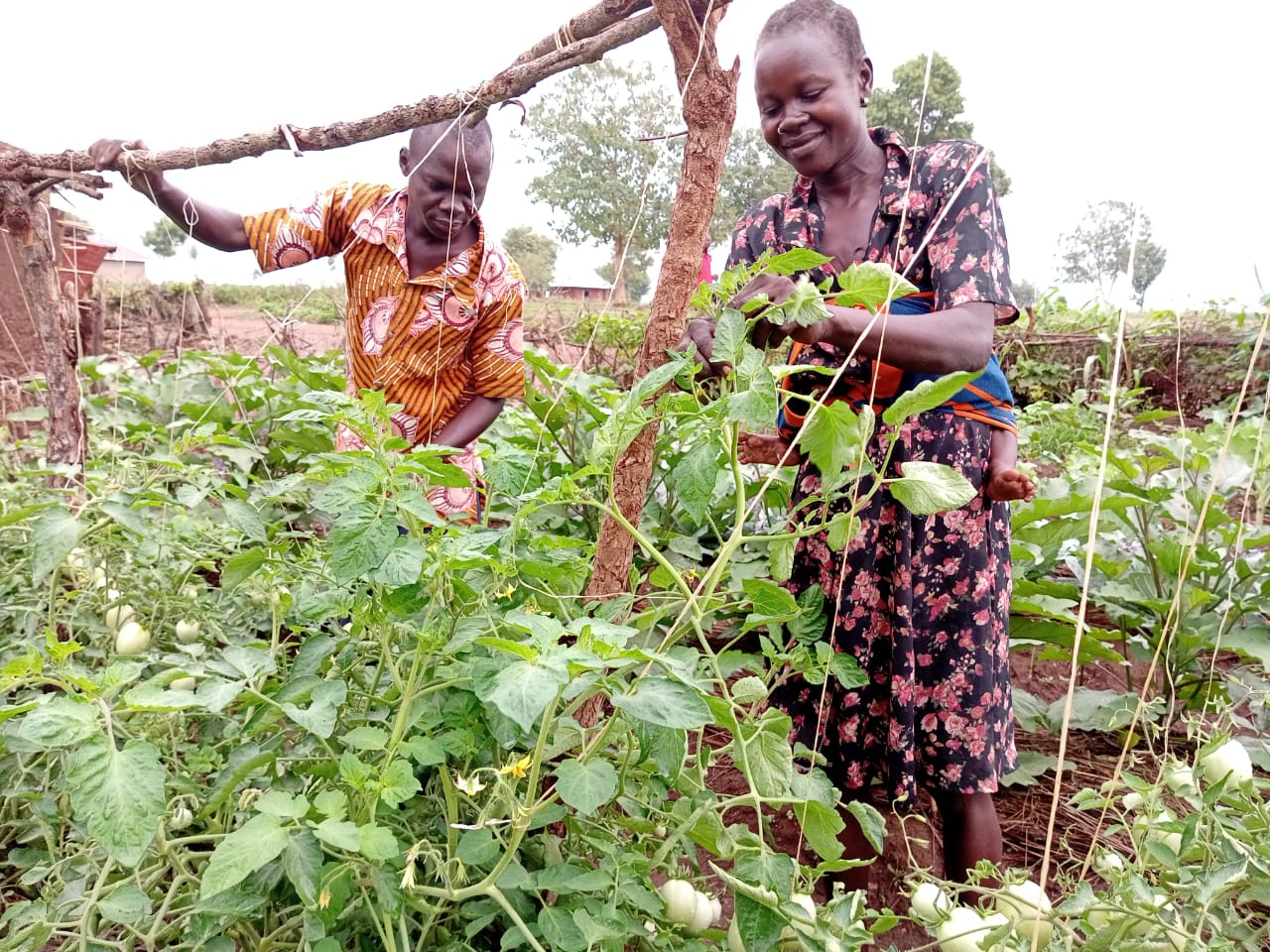
Women in Ofua 2 refugee settlement area practicing trellising.

Working with Refugee & Host Communities in Uganda

Working with Refugee & Host Communities in Uganda

2018–present
AVSI Foundation logo
AGFUND logo
SNV logo
logo of the Kingdom of the Netherlands.

Shelter from Conflict

Uganda has become a haven for refugees fleeing violence, conflict, and instability in South Sudan, the Democratic Republic of the Congo, and other countries in the region.

However, life in the refugee settlement areas can be difficult. UN World Food Program distributions have been reduced in recent years, and the items provided—namely beans, sorghum, maize, and cooking oil—lack key nutritional components, especially for growing children. Furthermore, while refugees in Uganda can legally work, economic opportunities in these rural areas are extremely limited.

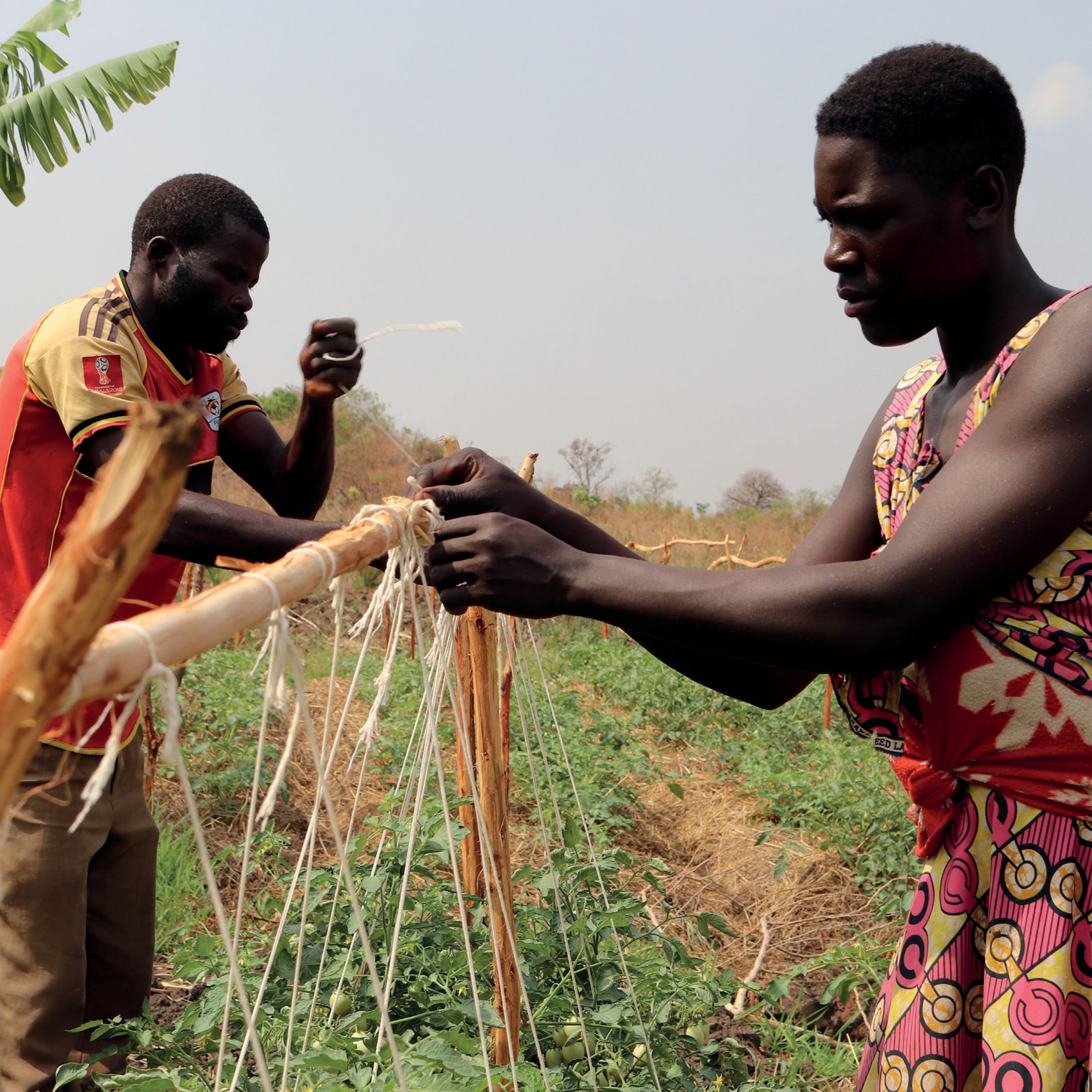
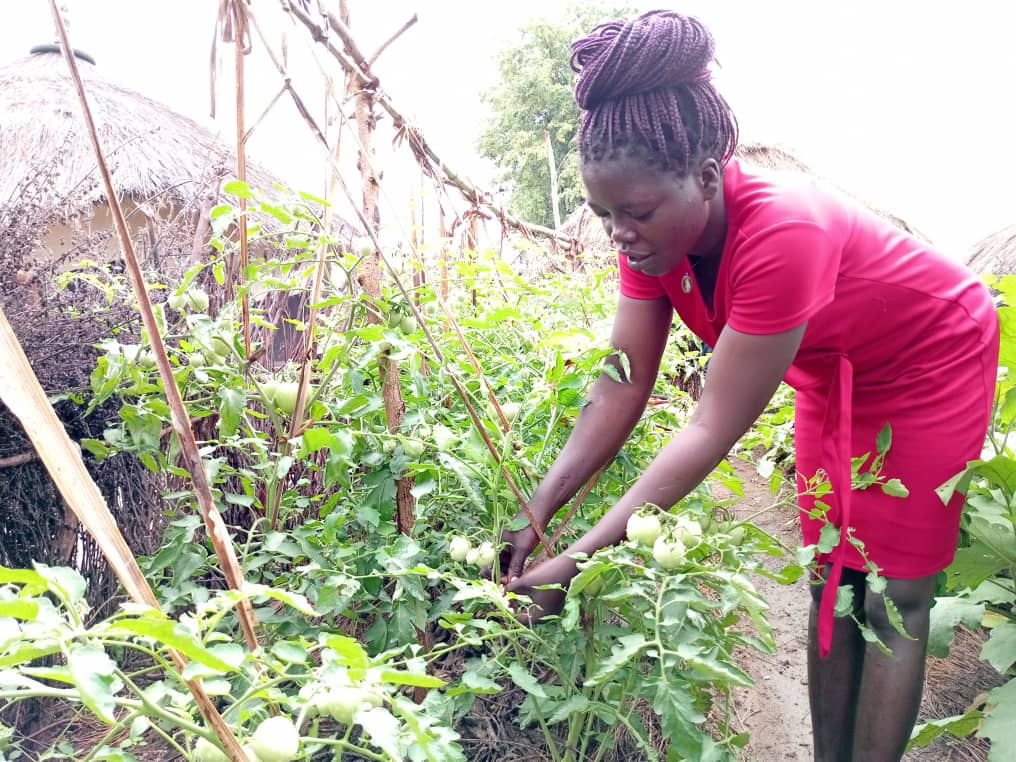
Man and woman trellis tomatoes in Ofua.

Nutrition & Income

Seeing the potential for vegetable production to contribute to better nutrition for refugee families and expand their options for earning income, we have provided refugees with hands-on training in improved vegetable cultivation techniques since 2018, working in collaboration with UNHCR and several other partners in Rhino Camp, Imvepi, Kyaka II, and Kyangwali refugee settlements.

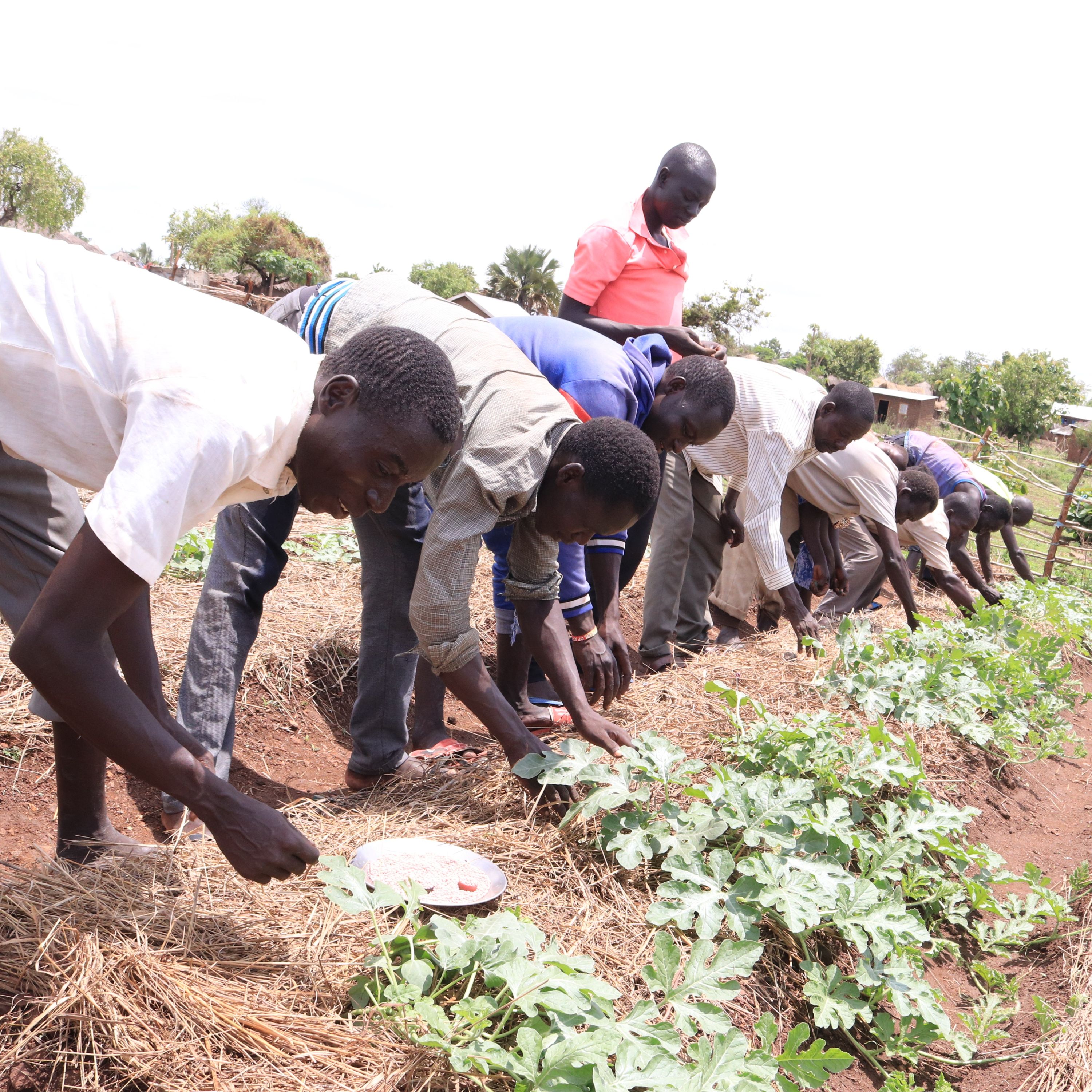
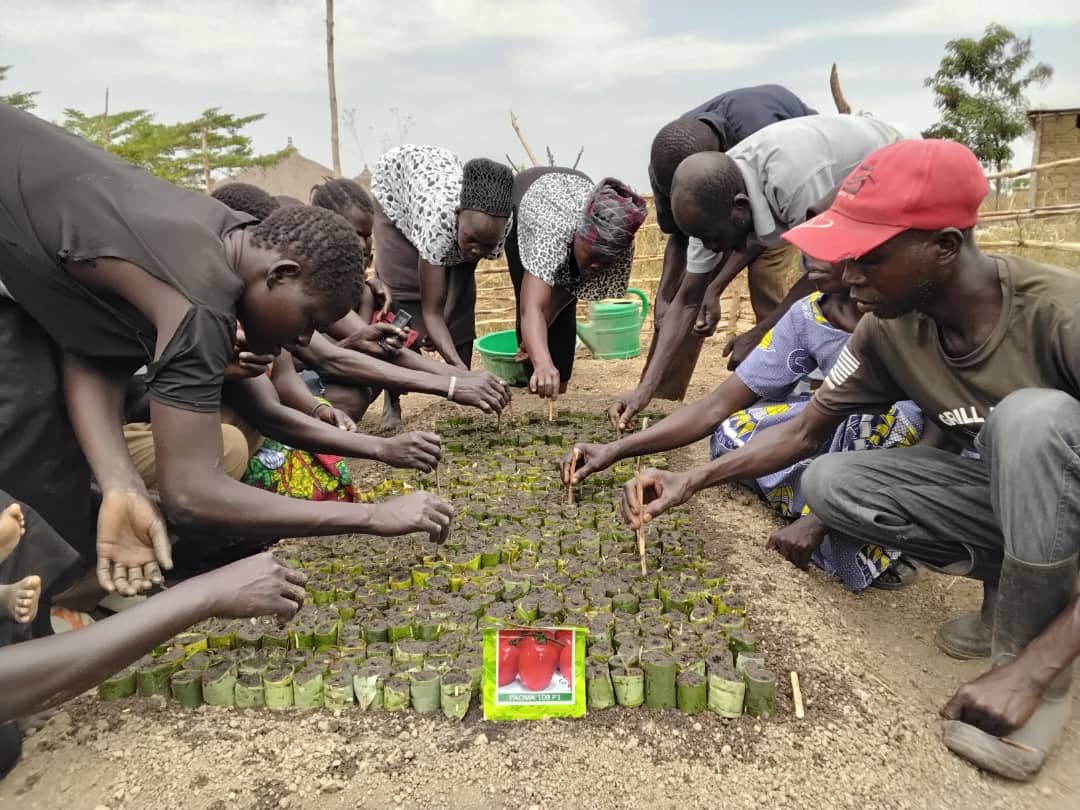
Women and men in Imvepi refugee settlement area plant seeds in the leaf pots they have created.

Land to Grow

Upon arrival and registration in Uganda, refugees are allotted a small plot of land upon which to live, and there is room for each family to establish a 250-square-meter home garden. The vegetables grown—eggplants, tomatoes, and sukuma wiki, among others—provide an array of nutritional benefits for refugee families.

Home gardeners who grow more than they need for their families can sell a portion of their produce, earning badly needed income. After learning sustainable vegetable farming methods, some refugees also lease land in the area to grow crops solely for the market.

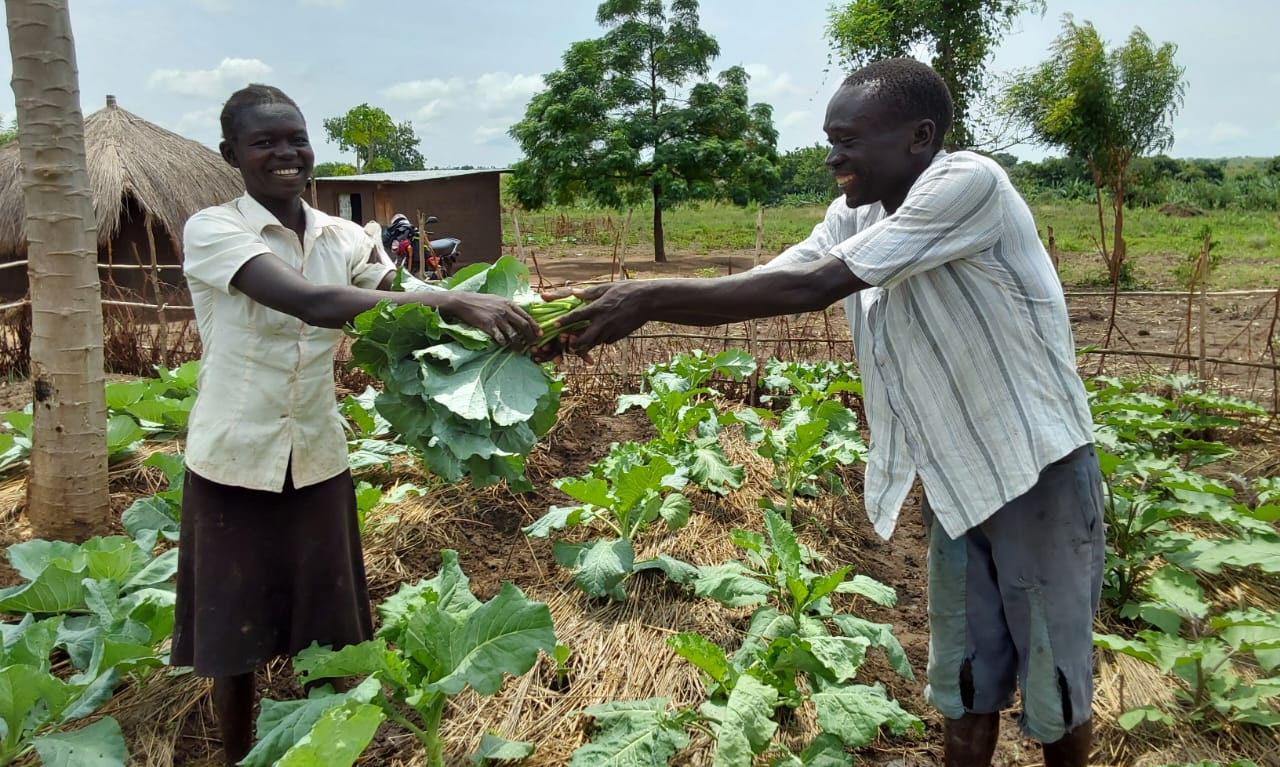
A man handing harvested greens to a woman in a home garden in Imvepi refugee settlement area.

Skills for Today—and Tomorrow

In the short term, our work in the refugee settlement areas focuses on improving residents’ income and nutrition. However, our strategic long-term goal is to equip refugee populations with the skills and knowledge they need to establish vegetable farming businesses and a robust agricultural value chain when they return to their home countries. In South Sudan, for instance, nearly all of the vegetables for sale in the market are currently imported.

Farmer Lily Night tends her tomato plants.

Empowering Host Communities

As the large number of refugees can put a strain on host communities, we also work with smallholder farmers in communities near the refugee settlement areas, with a focus on sharing profitable and sustainable vegetable farming techniques, as well as catalyzing value chain opportunities like seedling production.

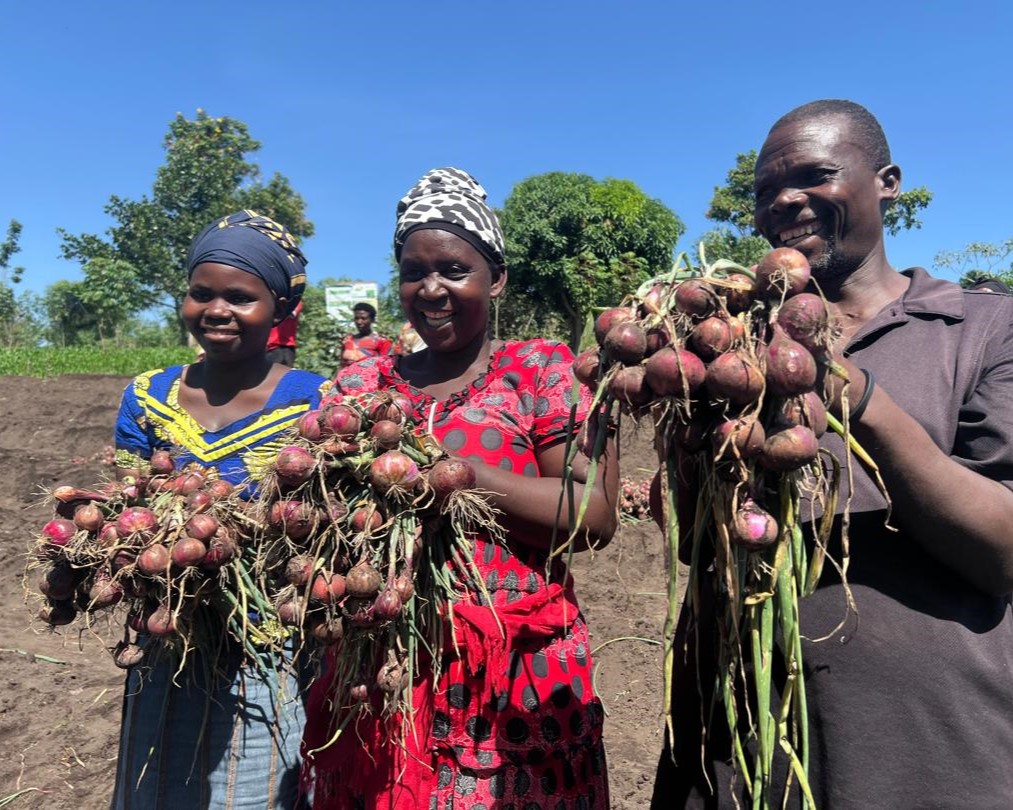
Smiling farmers hold harvested onions.

Projects with Refugee & Host Communities

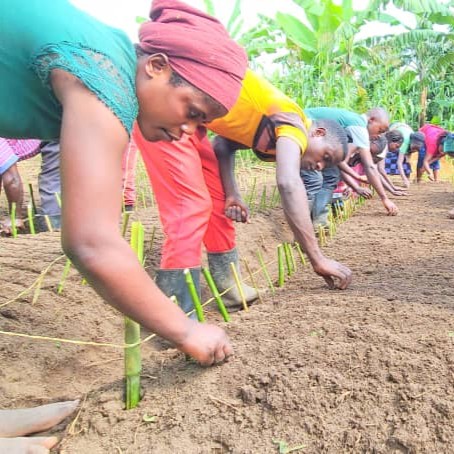
Farmers plant seeds in Kyaka II refugee settlement area.
Kyaka II & Kyangwali
2023–2027

Increasing GAP and Access to Seeds in Refugee and Host Communities

Improve farmer productivity and profitability, facilitate market connections, and strengthen access to quality affordable vegetable seeds in Kyaka II and Kyangwali refugee settlements and host communities, with an emphasis on women and youth.

Partner: AVSI Foundation
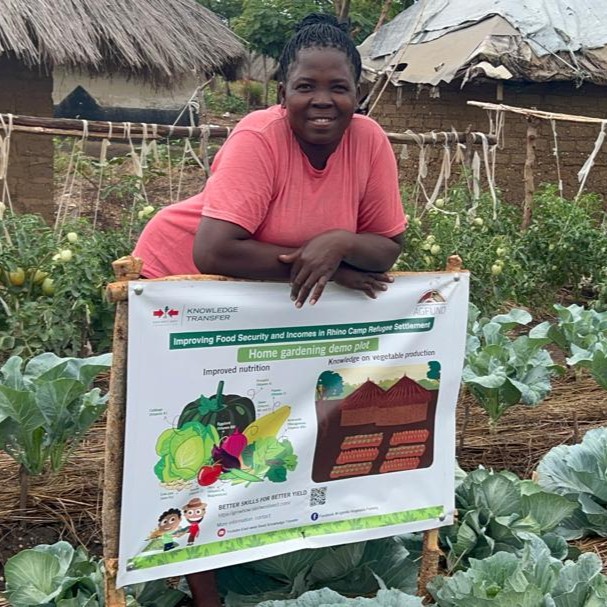
Woman farmer poses with the AGFUND project sign for her home garden.
Rhino Camp & Imvepi
2022–2025

Improving Food Security and Incomes in Rhino Refugee Settlement

Enhance food security, increase household income, and reduce chronic malnutrition in Rhino Camp and Imvepi refugee settlement areas and host communities through training on profitable and sustainable vegetable production.

Partner: Arab Gulf Programme for Development (AGFUND)

Partner with us to improve the lives and livelihoods of refugees in Uganda