

Action Research for Field-Tested Solutions
Action Research: What It Is & How We Use It
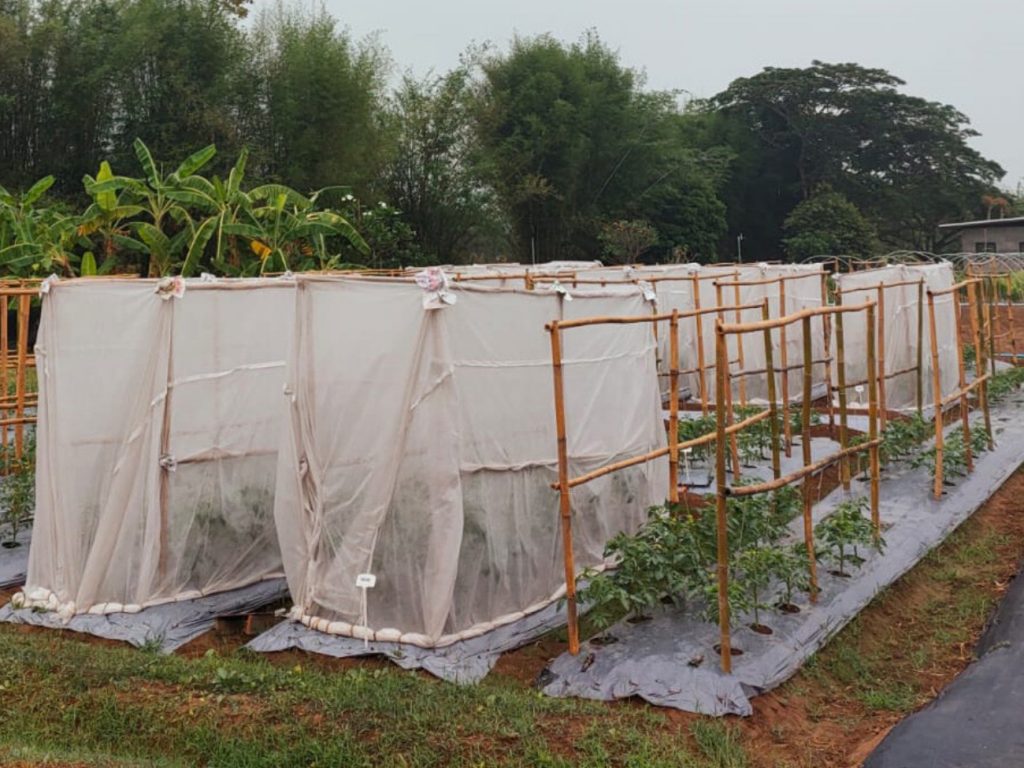
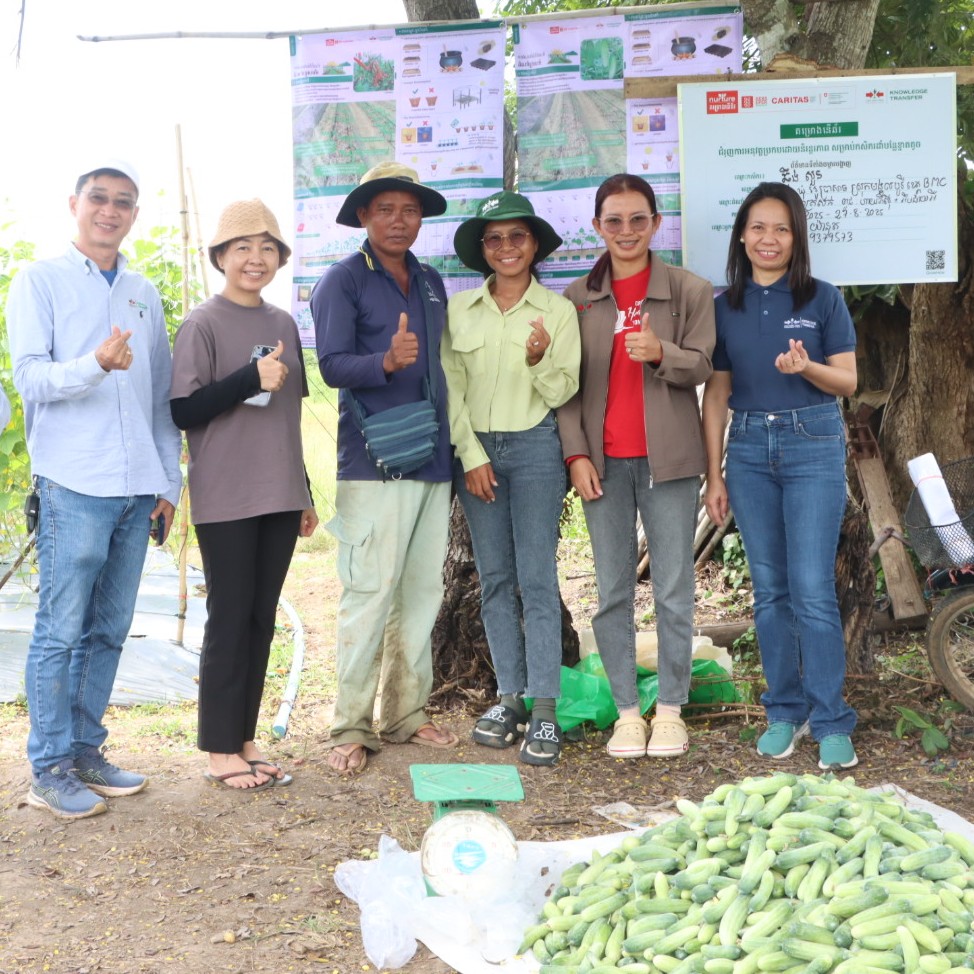
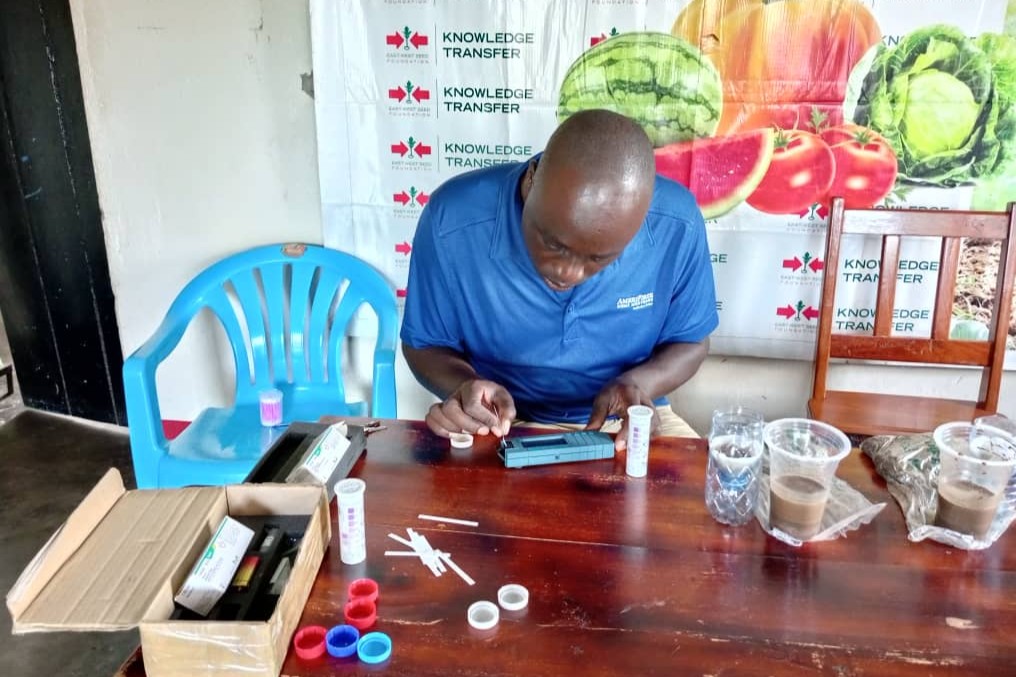
At our staff-run learning farms in different countries, we conduct action research projects to customize and optimize vegetable production practices for local farmers. These projects address the specific challenges faced by farmers and aim to develop practical, data-driven solutions.
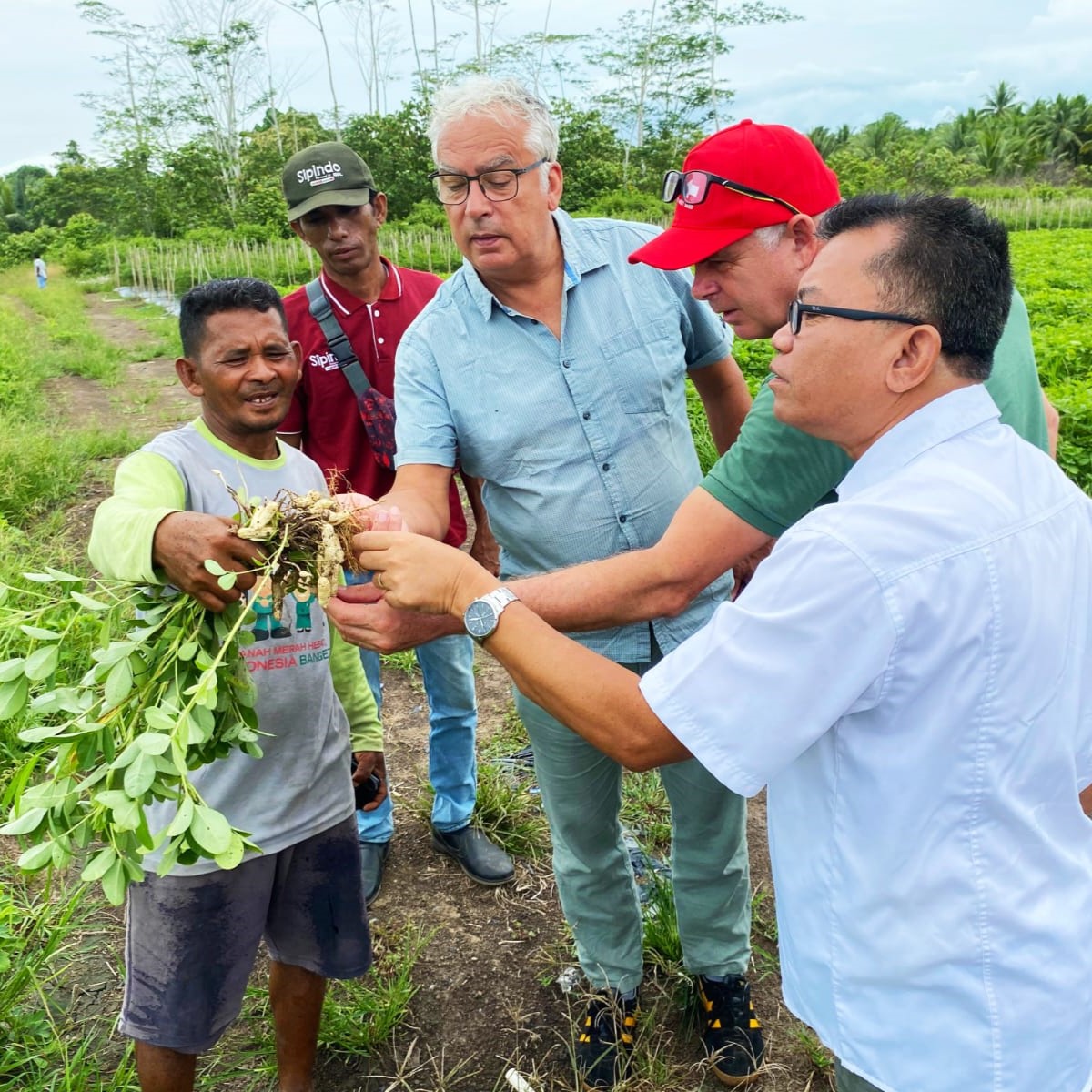
Unlike structured conventional research, which is typically conducted in controlled environments, action research is implemented under real farming conditions, with farmer involvement in the design and implementation processes. This approach aims to address farmers’ crop production problems and ensure that the outcomes are directly applicable to farmers’ fields, making them more effective and locally relevant.
Our action research projects are undertaken in collaboration with specialists from our longtime knowledge partner Wageningen University & Research, who provide support with the research protocol and the analysis of results.
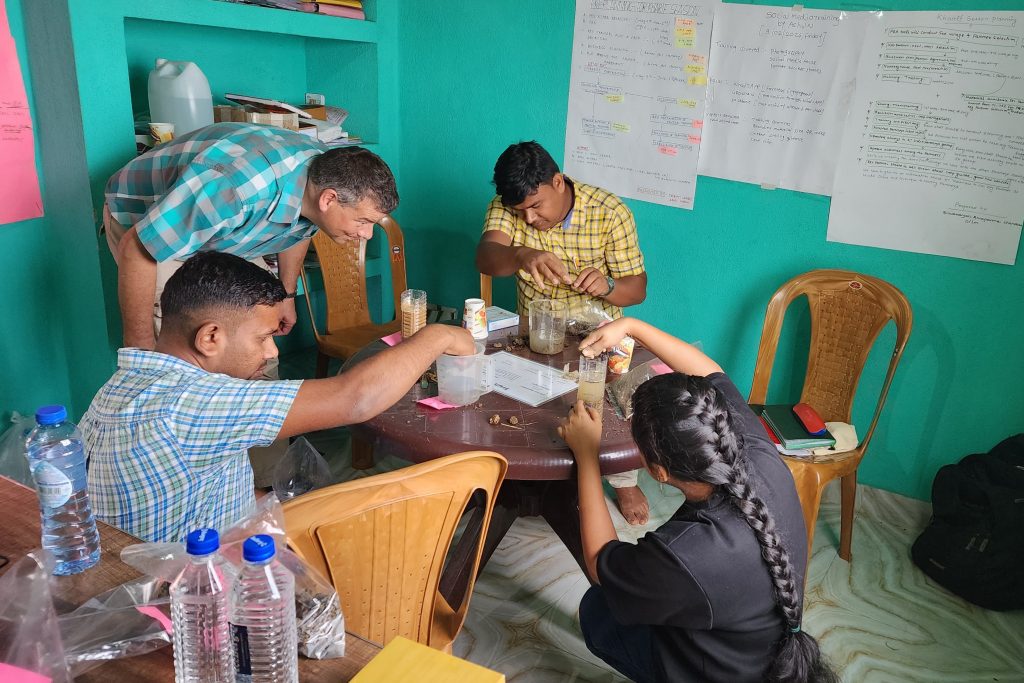
Our Action Research Process
Each action research project follows a structured process:
- Problem identification: Challenges faced by farmers are identified through field observations, discussions, and analysis of the data from EWS-KT vegetable farming demonstration plots.
- Experimental trials: Solutions to the problem are tested in a field environment within the learning farm and, when necessary, are replicated in farmers’ fields.
- Knowledge sharing: Action research is shared in several ways.
- Ongoing action research is presented to farmers visiting the learning farm.
- Findings are disseminated to our field staff and the farming community, enabling farmers to make informed decisions and improve overall agricultural productivity.
- Results are integrated into our extension materials and training modules.
- Results are also presented to the wider vegetable production sector at meetings and conferences and through publications.
Selected Action Research Projects

Green Manuring
Green manuring action research is ongoing in Cambodia, Ghana, India, and Uganda. These projects assess the ability of green manure to improve soil health, and seek to identify the most effective green manure crops. Find out more here.
Bacterial Wilt
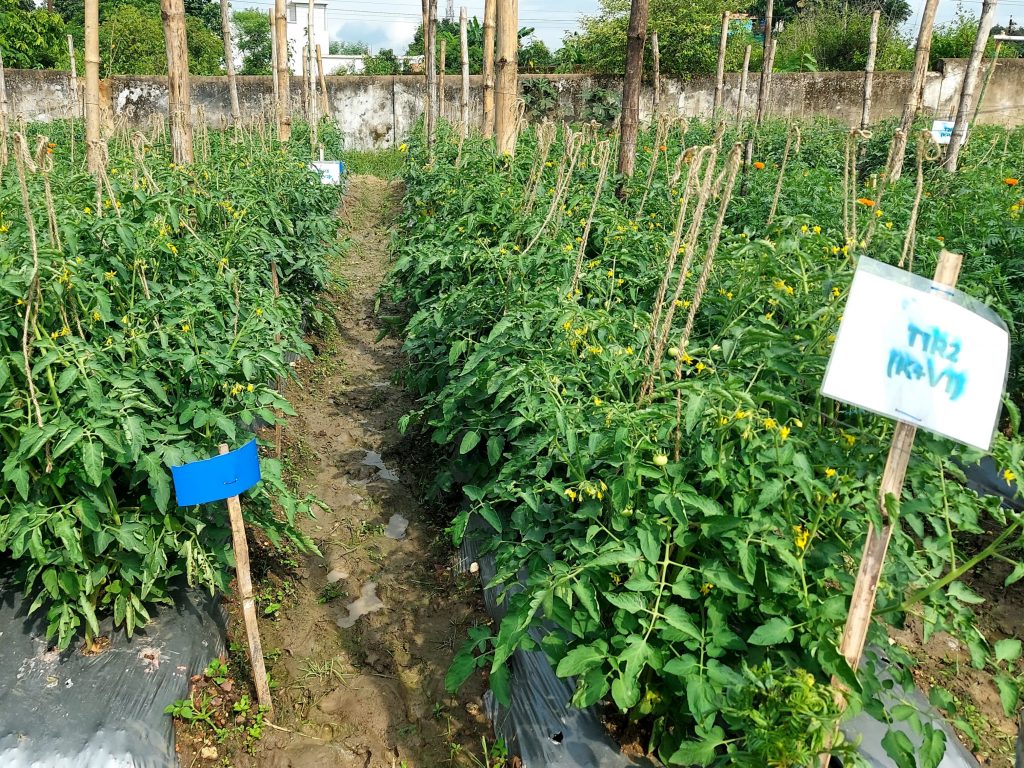
In collaboration with our knowledge partner Koppert Foundation, we tested the effectiveness of commercially available nature-based solutions for managing bacterial wilt in tomato production in India. Find out more here.
Onion, Cabbage, and Tomato Recommendations
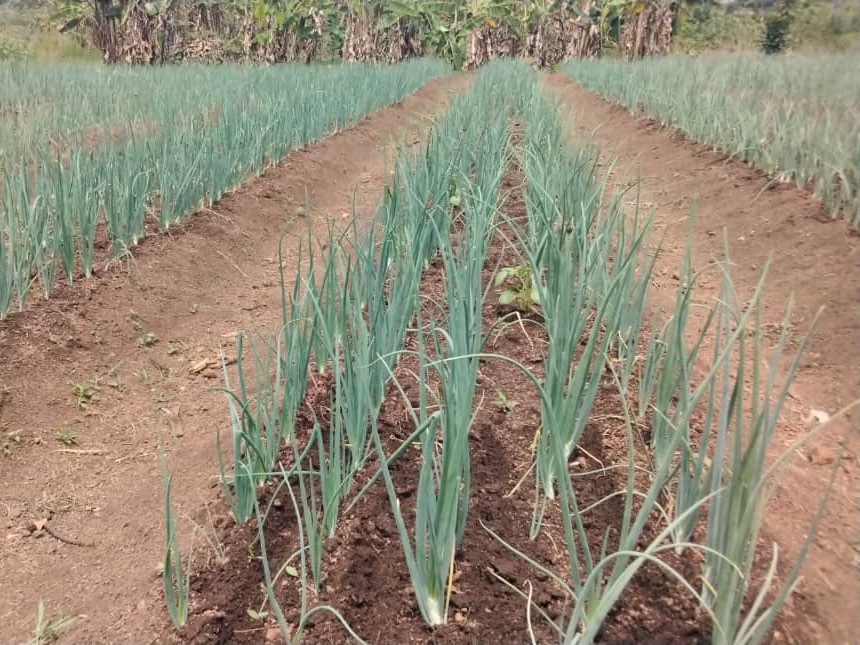
To tailor recommendations for farmers in the West Nile region of Uganda, we evaluated the impact of plant spacing on onion yield; the effect of mulching and fertilizer application on cabbage growth and yield; and the effect of organic mulch on tomato yield. Find out more here.