

New Study (2024): Women Farmers in Nigeria
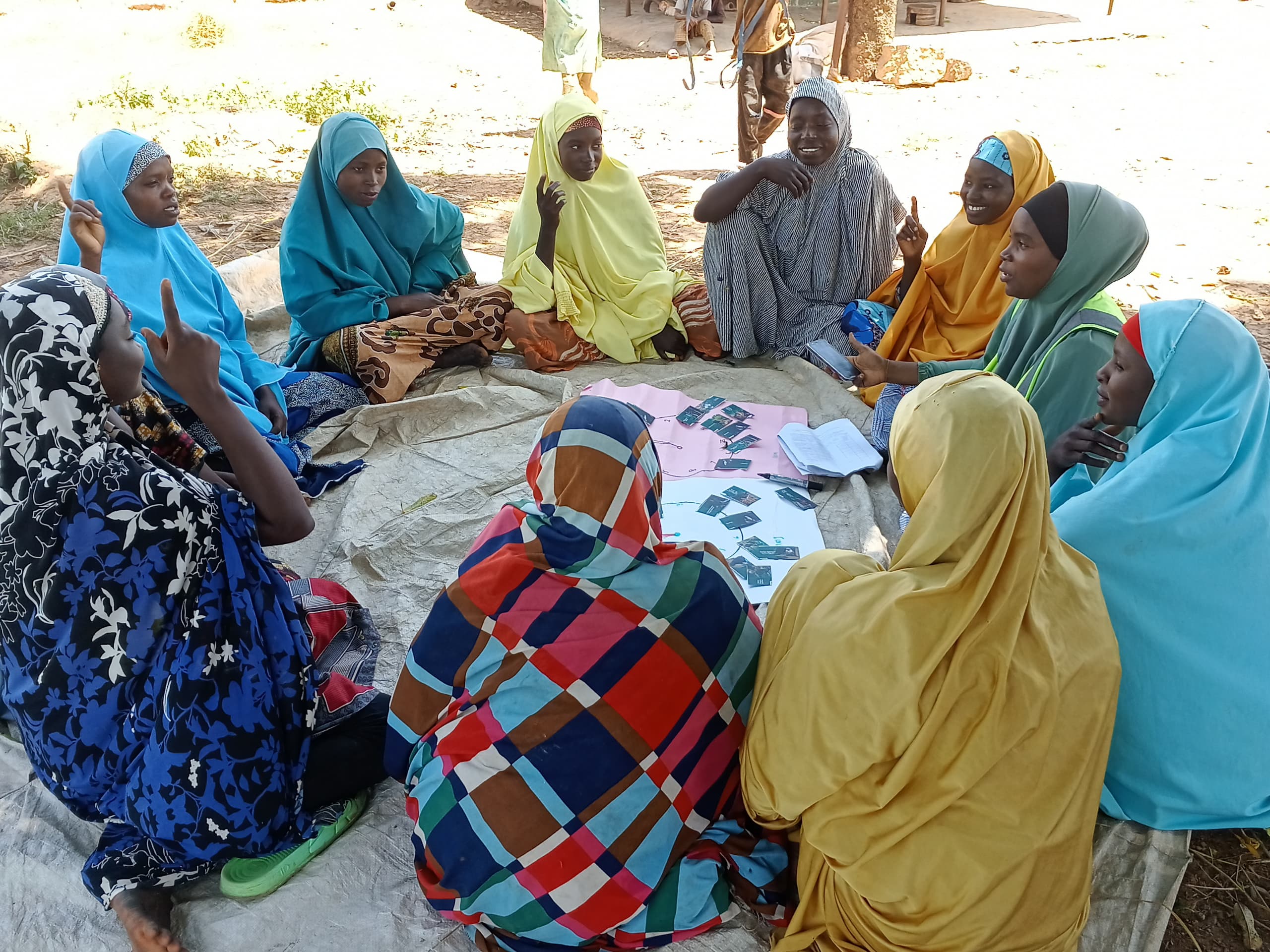
The latest report in our Women Farmers Study series focuses on the experiences of women farmers in northern Nigeria and includes comparisons to our earlier studies in other countries. Find out more.
2023: Women Farmers in Myanmar
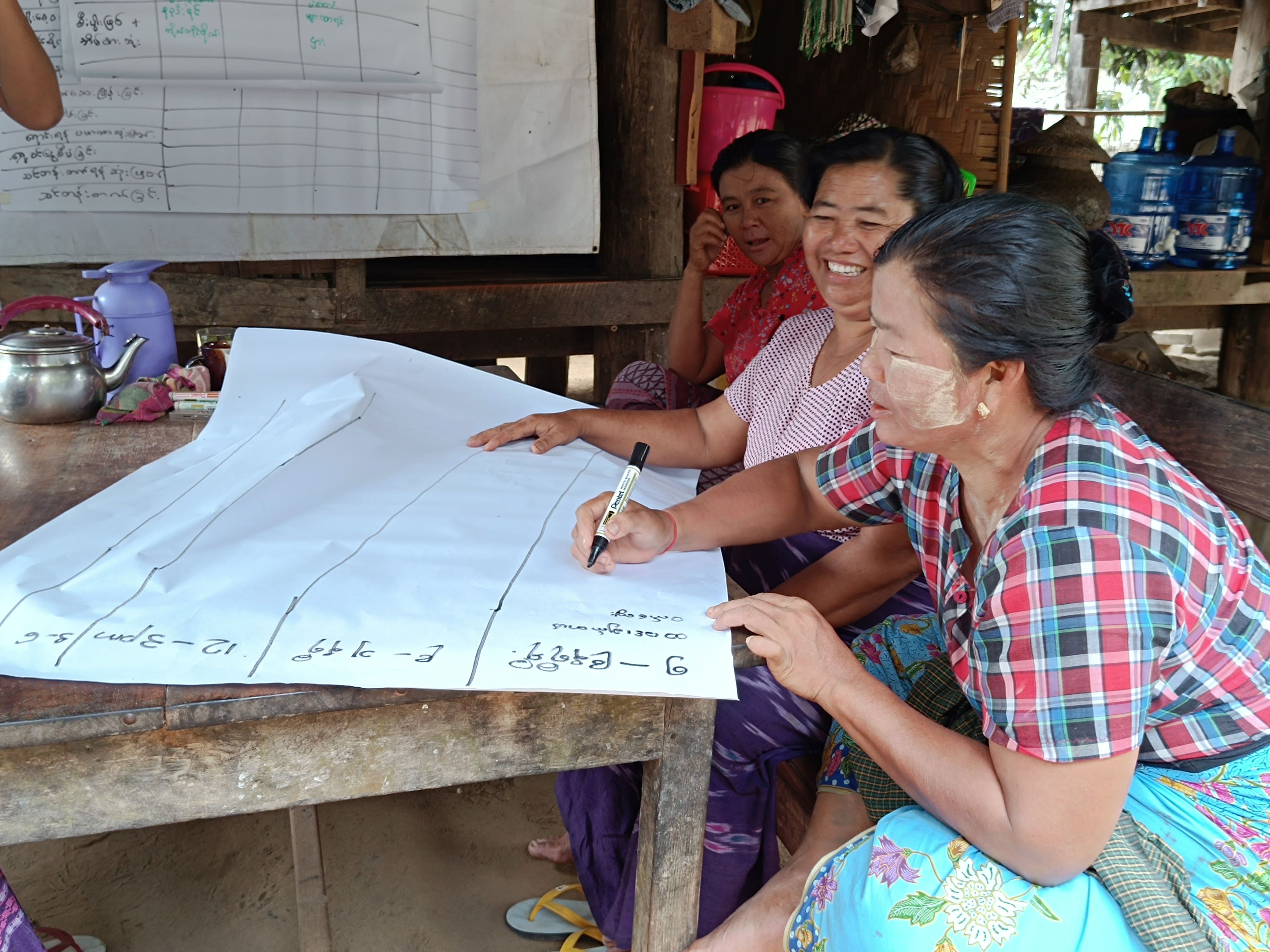
Following up on our 2022 study of women farmers in India, the Philippines, Tanzania, and Uganda, in 2023 we explored the daily lives, challenges, and opportunities of women farmers in Myanmar. Find out more.
Listening to Women Farmers: The Initial Study
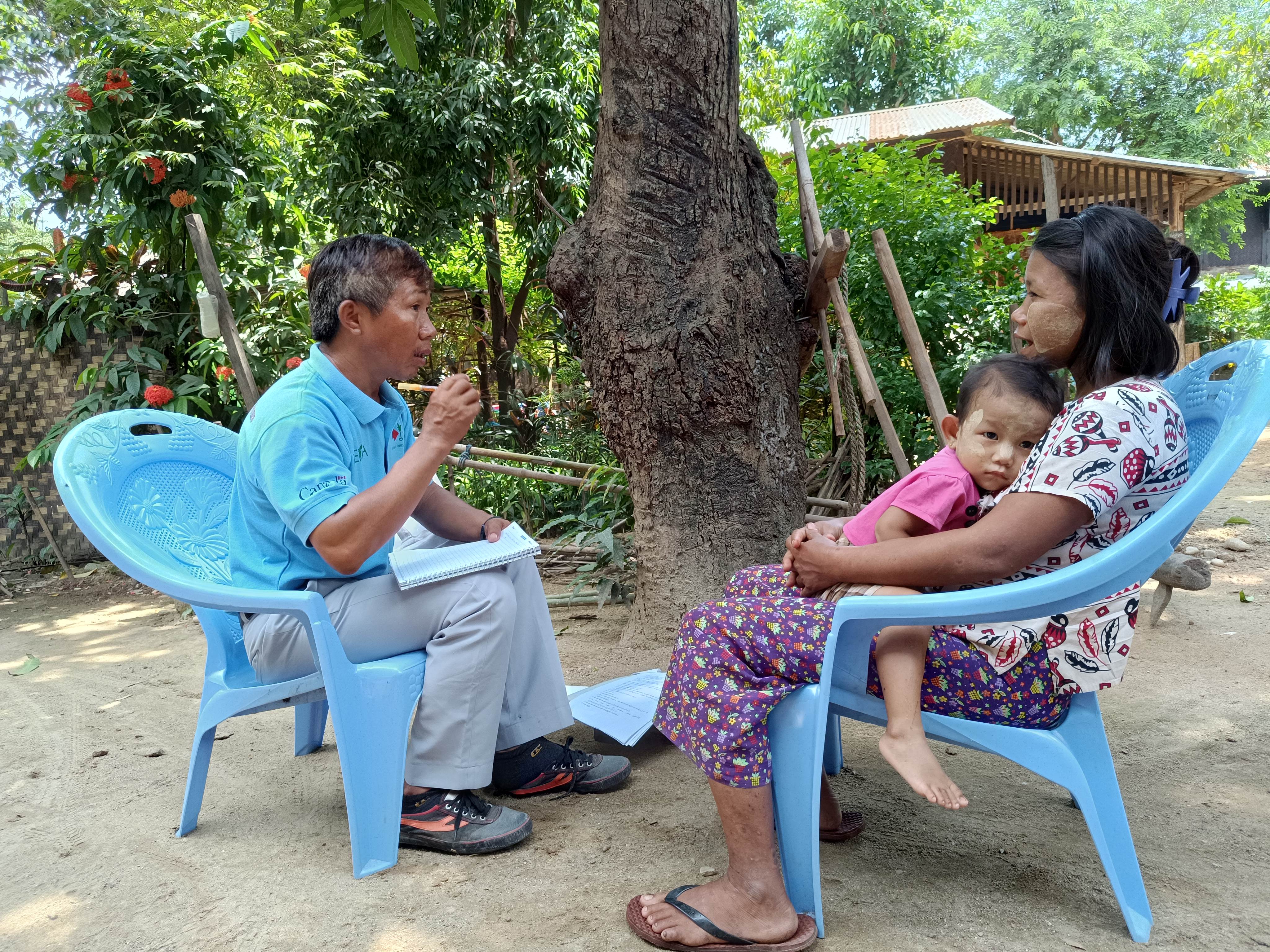
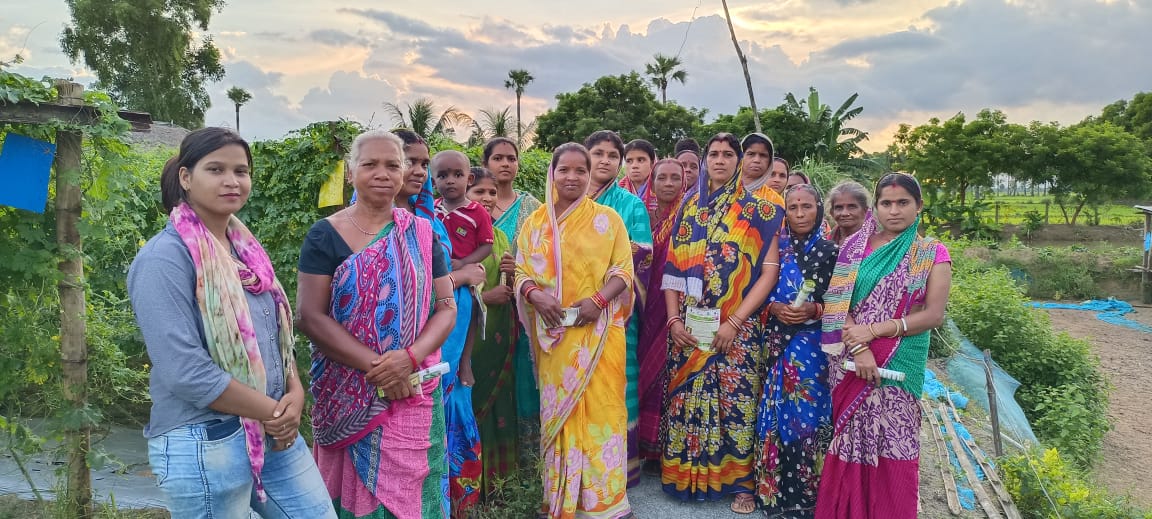
In 2022, we deepened our commitment to women farmers by initiating a study to better understand the needs of women in vegetable production.
Focusing on India, the Philippines, Tanzania, and Uganda, the 2022 study involved nearly 300 women farmers.
Study Goals
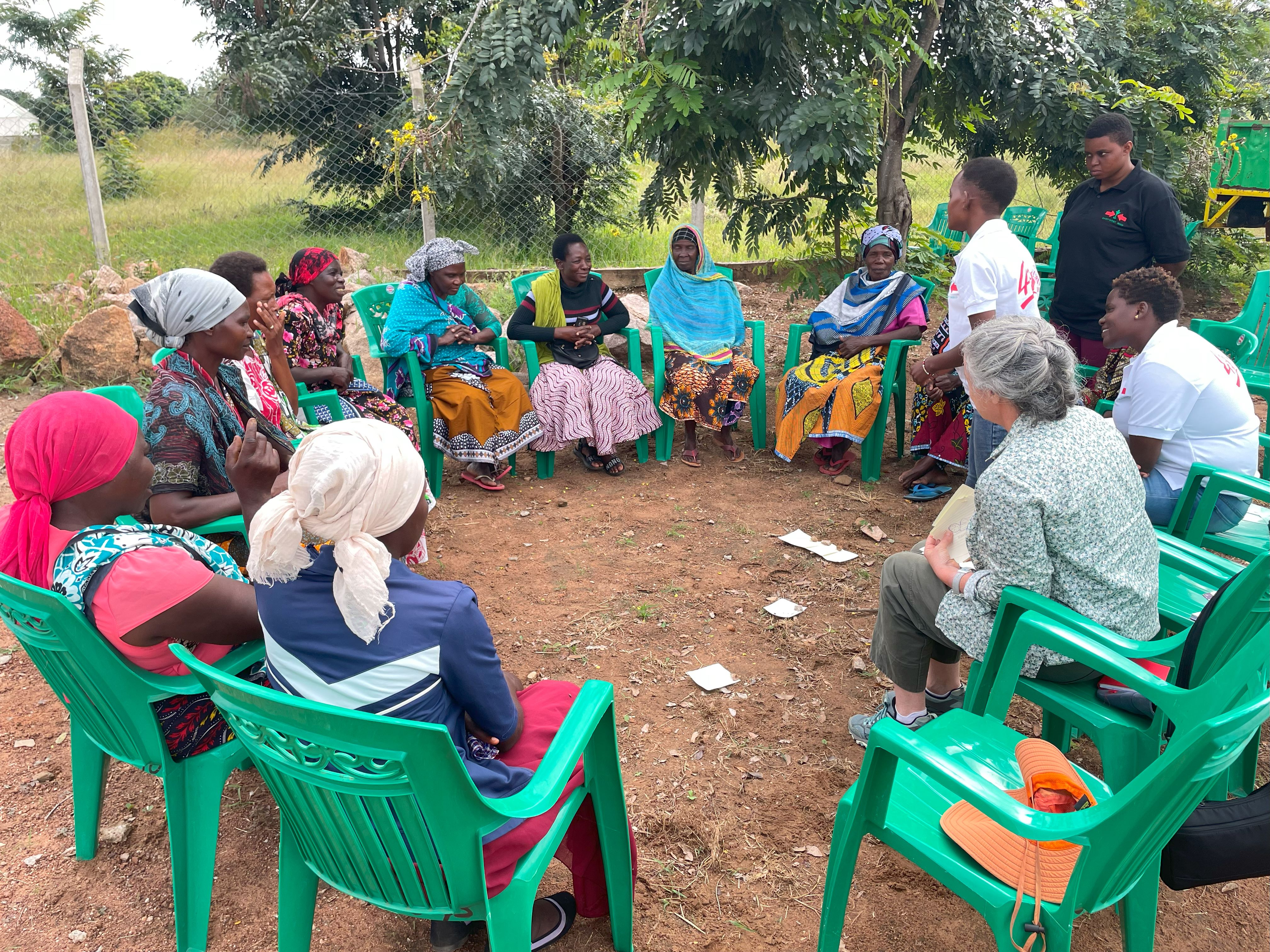
In each country, the first part of the study explored what an average day is like for women farmers, what decision-making power women have in regard to crop management and cash flow, women’s access to training opportunities and agricultural inputs, and the economic and social benefits of being a woman farmer.
The second part of the study focused on women farmers’ participation in and knowledge of crop protection, from weeding to scouting for pests and diseases to spraying of pesticides.
Women Farmers’ Daily Lives
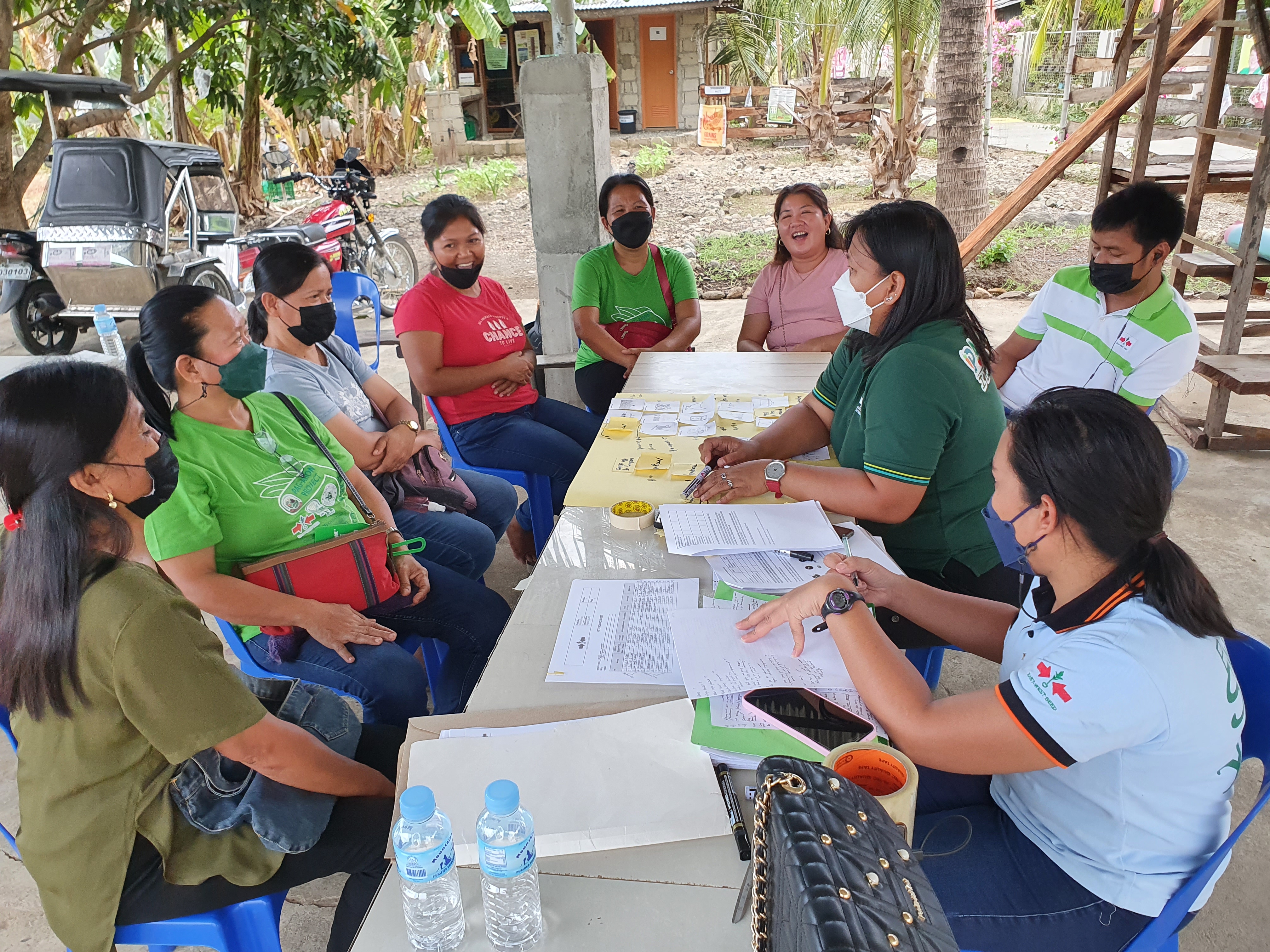
One thing that quickly became clear was just how busy women farmers are. While the study found that women are participating in all activities connected to vegetable farming, they do not always get the full benefits of their work.
Between housework, caring for family and livestock, and crop management, women have very little time to attend trainings and increase their knowledge. In keeping with this reality, women farmers in India, Tanzania, and Uganda also felt that they knew less than men about the management of plant pests and diseases.
Recommendations
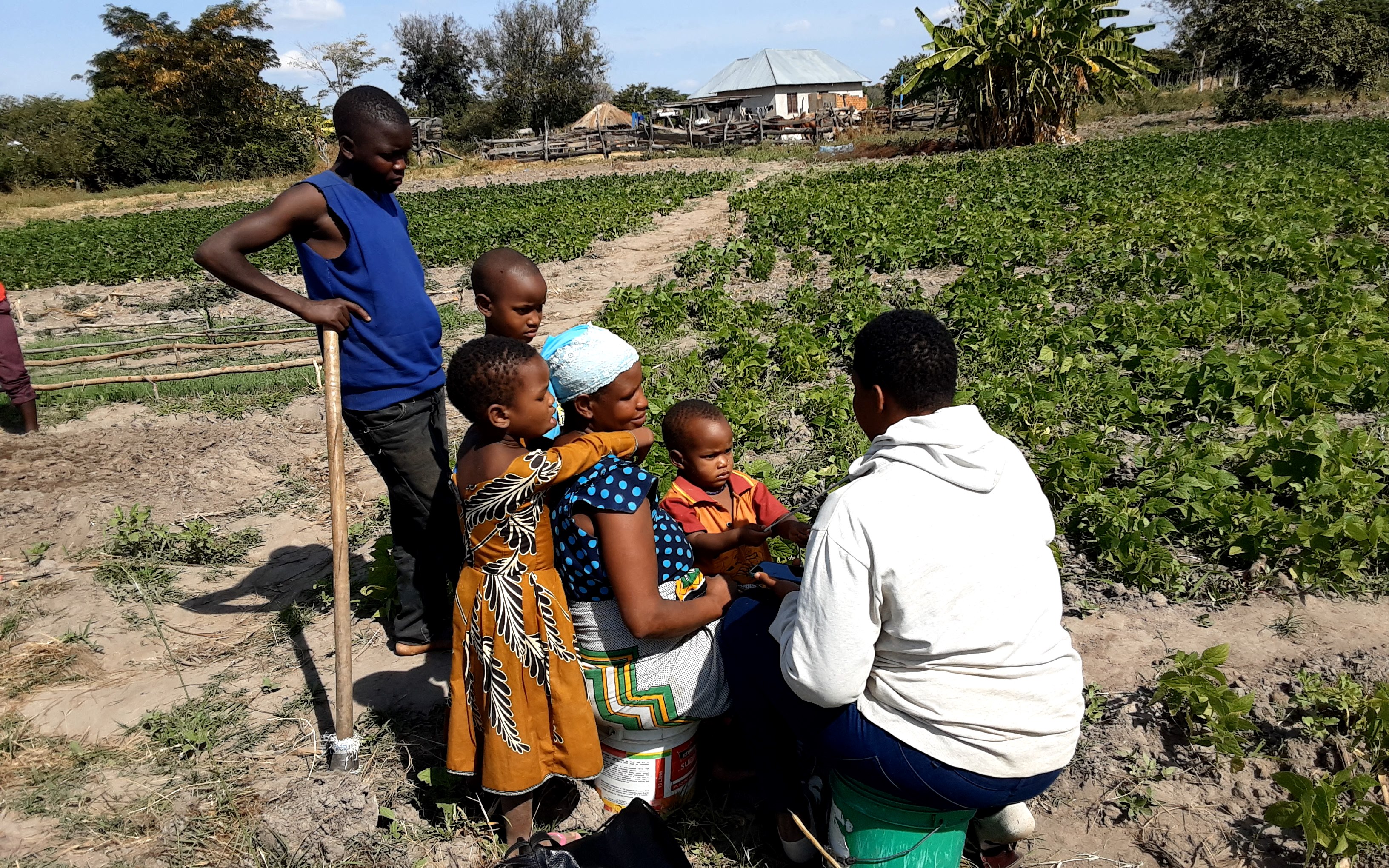
Recommendations from the 2022 report include increasing women’s access to farming knowledge, quality agricultural inputs, and finance, as well as incorporating a more extensive gender approach in EWS-KT activities.
Already, the study has resulted in concrete steps by our staff, such as holding more meetings and technical training sessions specifically for women farmers—and scheduling these events at times of day when more women are available.
Women Farmers Forward
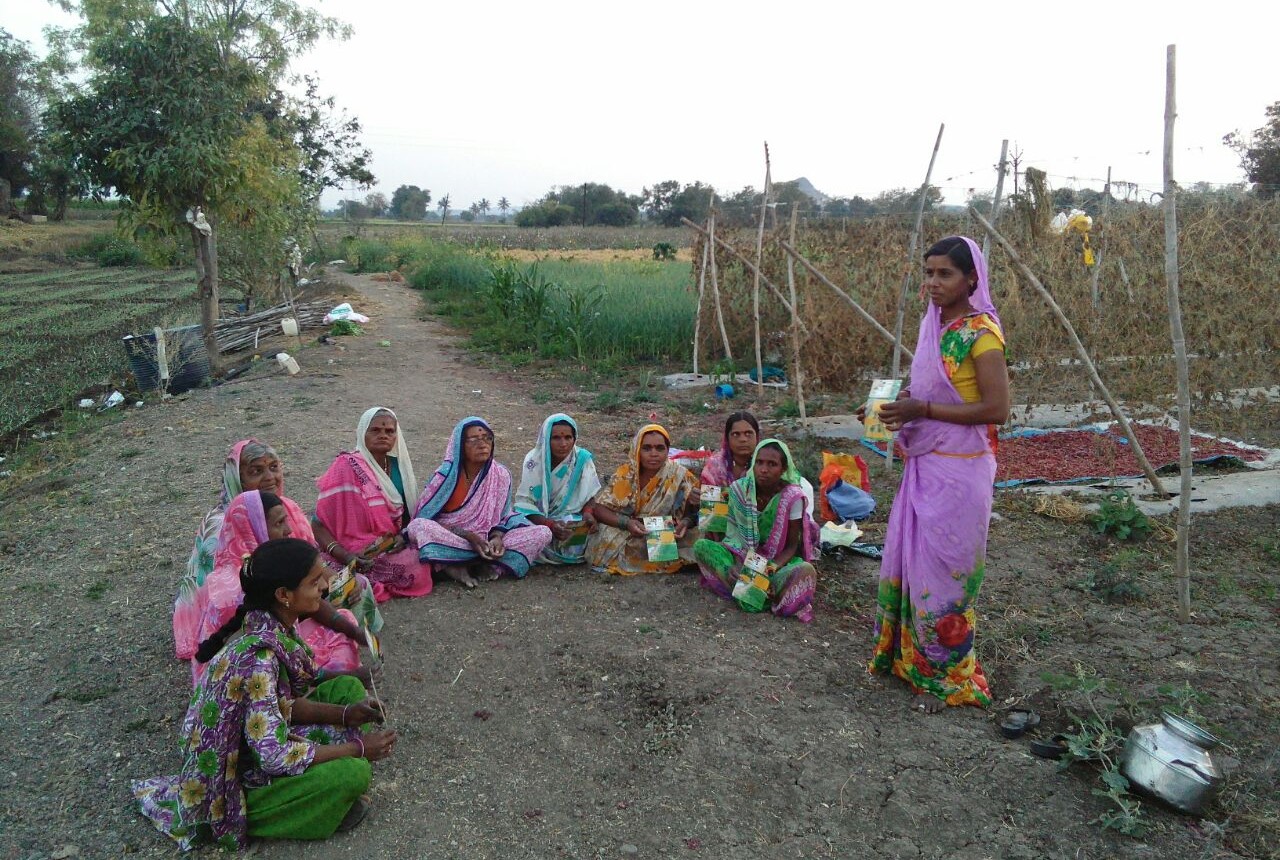
Preliminary study findings were presented in October 2022 during East-West Seed’s Women Farmers Forward event, which brought together government officials, academics, the private sector, NGO representatives, and students in Amsterdam. Workshop participants at the event brainstormed ideas to move the study findings forward, and their feedback is summarized in the 2022 report.
Expansion & Impact
As we expand the women farmers study to other countries—Myanmar in 2023 and Nigeria in 2024—we are continuing to integrate what we learn into our programs to better engage women farmers and increase the number of women who find success in vegetable production.
This ongoing study is not only providing direction on how we can advance the role of women in farming but offers an opportunity to raise awareness within the wider vegetable sector about gender in agriculture.