

Strengthening the Vegetable Value Chain in Western Uganda
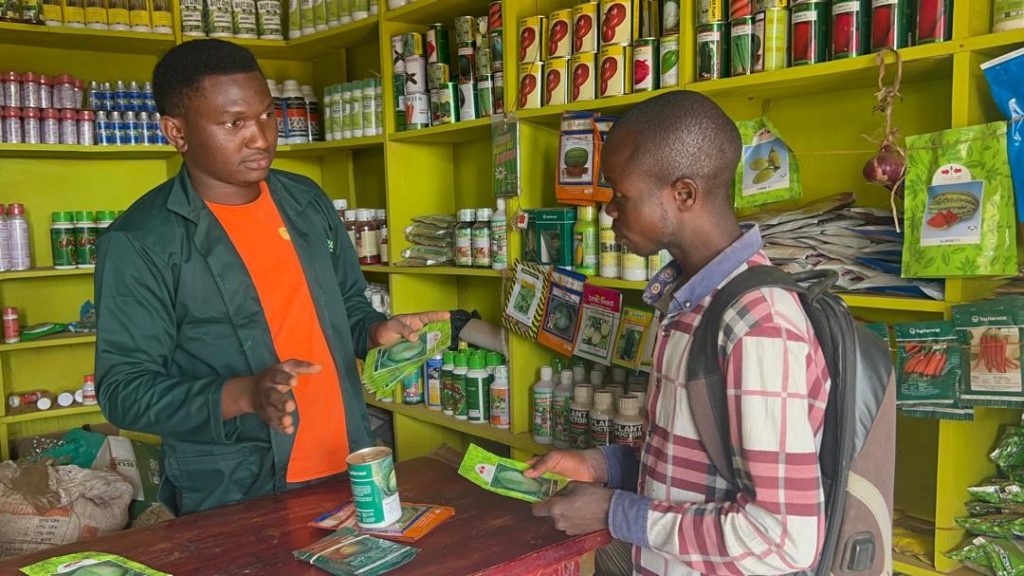
KIKUUBE DISTRICT, UGANDA – Musasizi Moses, age 28, has been operating an agro-input shop in Kyangwali subcounty for 4 years–and lately, things have changed for the better.
Maize seeds and herbicides are his best-selling products, since this is a predominantly maize-growing area. However, due to the seasonal nature of maize production, he has found it difficult to develop his business and earn a good income year-round.
Musasizi also sells inputs like fertilizers, pesticides, and fungicides, along with vegetable seeds. For a long time, sales of these seeds were low. The few farmers who engaged in vegetable production generally had limited knowledge of improved vegetable farming practices, and most used open-pollinated varieties because of their lower prices.
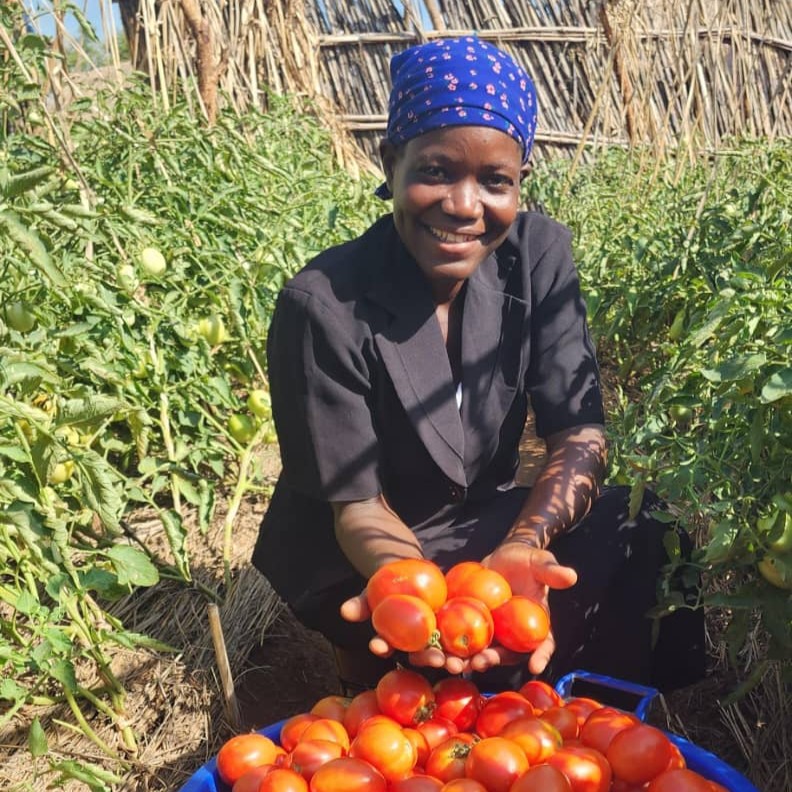
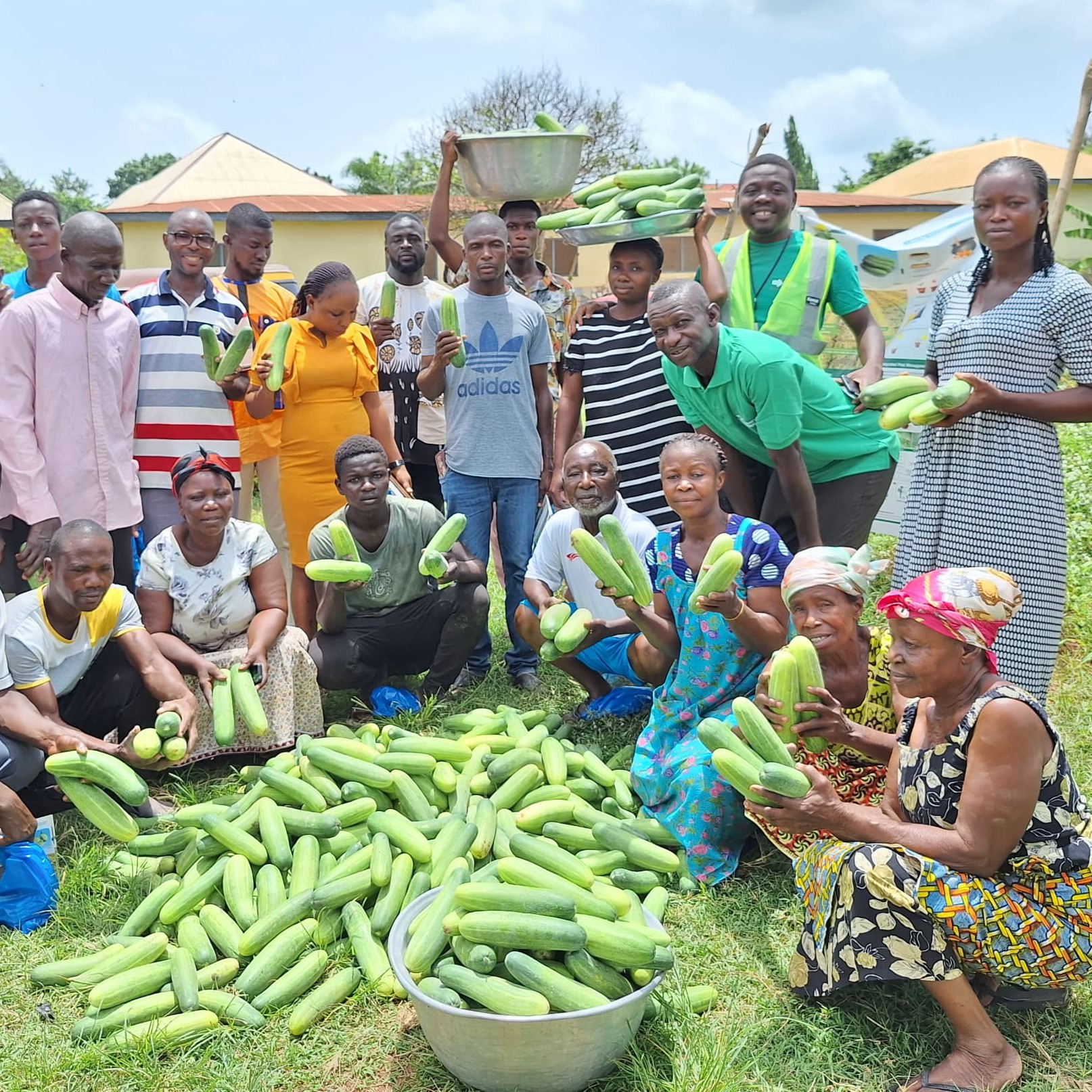
More recently, with farming communities’ increasing awareness of vegetable production profitability due to East-West Seed Knowledge Transfer Foundation’s demonstration plot establishment and farmer training activities, Musasizi has seen rising demand for quality seeds and other agricultural inputs.
“Farmers now focus on the quality of seeds rather than the price, unlike in the past,” he said.
Building Farmers’ Capacity in Refugee & Host Communities
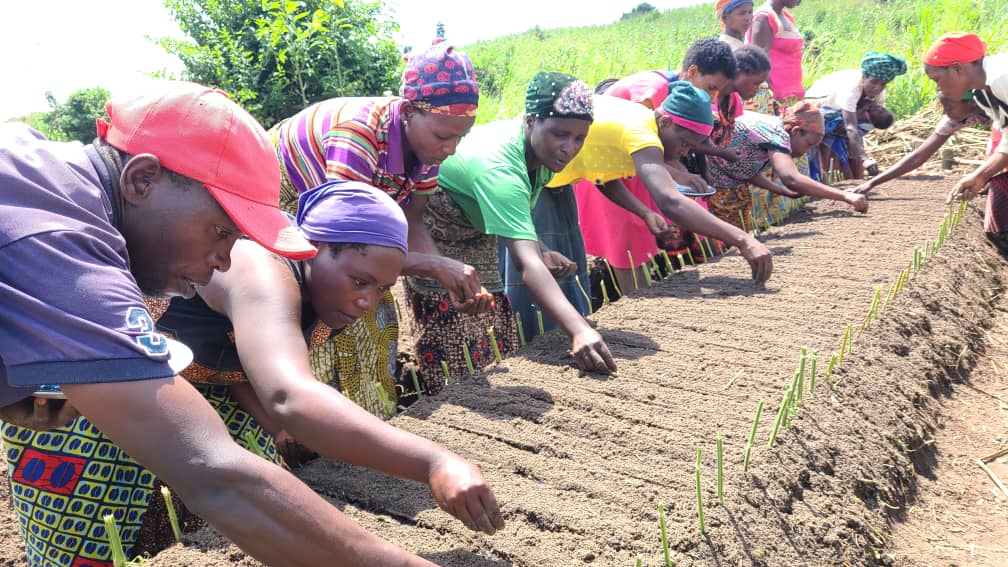
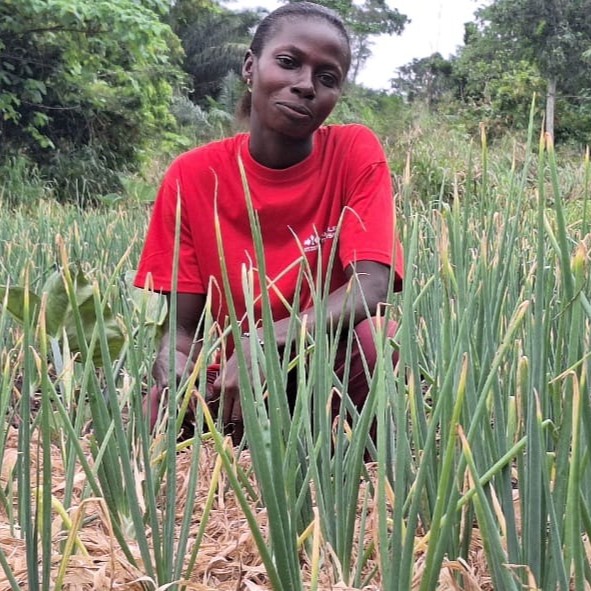
Beginning in late 2023, EWS-KT has been working with refugee and host communities in the Kyaka II and Kyangwali areas to promote the use of good agricultural practices and expand farmers’ access to quality seeds. This initiative, which is supported by AVSI Foundation, has now advanced from a pilot project to the scale-up stage. In addition to providing hands-on training in improved vegetable production techniques, EWS-KT staff equip farmers with the knowledge to select vegetable varieties based on their characteristics for the growing environment and their suitability for the market.
The increasing demand for quality vegetable seeds has driven Musasizi to stock more seeds, which he didn’t do in the past due to a fear of tying up his cash for too long. Farmers’ growing interest in vegetable cultivation, in conjunction with adoption of improved agricultural practices, has also created a larger market for production inputs like fertilizers, pesticides, and fungicides.
Enhancing Agro-Input Dealers’ Knowledge
As part of this project, EWS-KT is also building the capacity of agro-input dealers to provide accurate horticultural advice to their farmer customers. Musasizi has actively engaged in field-based farmer training with EWS-KT, gaining experience in vegetable production planning, soil nutrient enhancement and management, and crop protection, including responsible and judicious use of agrochemicals. He also enrolled in EWS-KT’s Crop Advisor Trainer online certification course to increase his technical knowledge in vegetable production.
Working closely with EWS-KT has enabled Musasizi to understand the vegetable sector from a broader perspective, shifting his focus from only his agro-input business to the entire vegetable value chain. This motivated him to extend services closer to the farmers by opening another outlet in the Kyangwali refugee settlement, simplifying service delivery to his customers.
In addition, thanks to EWS-KT’s technical capacity support and his exposure to the field, Musasizi is now equipped to offer extension services to the farmers and is able to help them address most of their farming challenges. This gives him a competitive advantage in his business, while he provides vital support and supplies to smallholder vegetable farmers in Kyangwali.