

Project Summary
Building a Climate-Resilient and Profitable Vegetable Value Chain in the Barind Tract, Bangladesh
Bangladesh | 2026–2028
Context and Project Objective
The Barind Tract in northwestern Bangladesh (encompassing parts of Rajshahi, Naogaon, and Chapai Nawabganj districts) is one of the country’s most fragile and drought-prone agricultural zones. Farmers face low and erratic rainfall, exacerbated by climate change; depleted groundwater due to overirrigation; nutrient-poor soils; and a farm production system dominated by dry-season rice that is water-intensive and costly to grow.
With the government now limiting irrigation for rice crops, farmers in some parts of the Barind Tract are beginning to shift to growing fruits and vegetables. However, vegetable farming in this upland region has its own challenges. Vegetable markets are fragmented, post-harvest losses can reach 25%–30%, and farmers, especially women and youth, have limited access to quality seeds, technical farming advice, and reliable market information.
At the same time, vegetable cultivation in Barind offers strong potential for higher income, improved nutrition, and sustainable livelihoods if farmers can adopt climate-smart technologies—particularly in regard to soil health and efficient water use—and connect to better markets.
This project aims to transform water-stressed, low-diversity farming systems into sustainable, market-oriented horticultural enterprises by building the capacity of smallholder farmers, particularly women and youth, in climate-smart, profitable vegetable production and harvesting, and by strengthening local value chains and farmers’ market knowledge and connectivity.
To ensure sustainable impact, the project will also foster the establishment of local service hubs: Community Farmer Facilitators to develop farmers’ technical skills and knowledge; nursery entrepreneurs to produce vegetable seedlings for farmers’ fields; and trained agro-input retailers to offer high-quality advisory support beyond the project period.
Key Activities
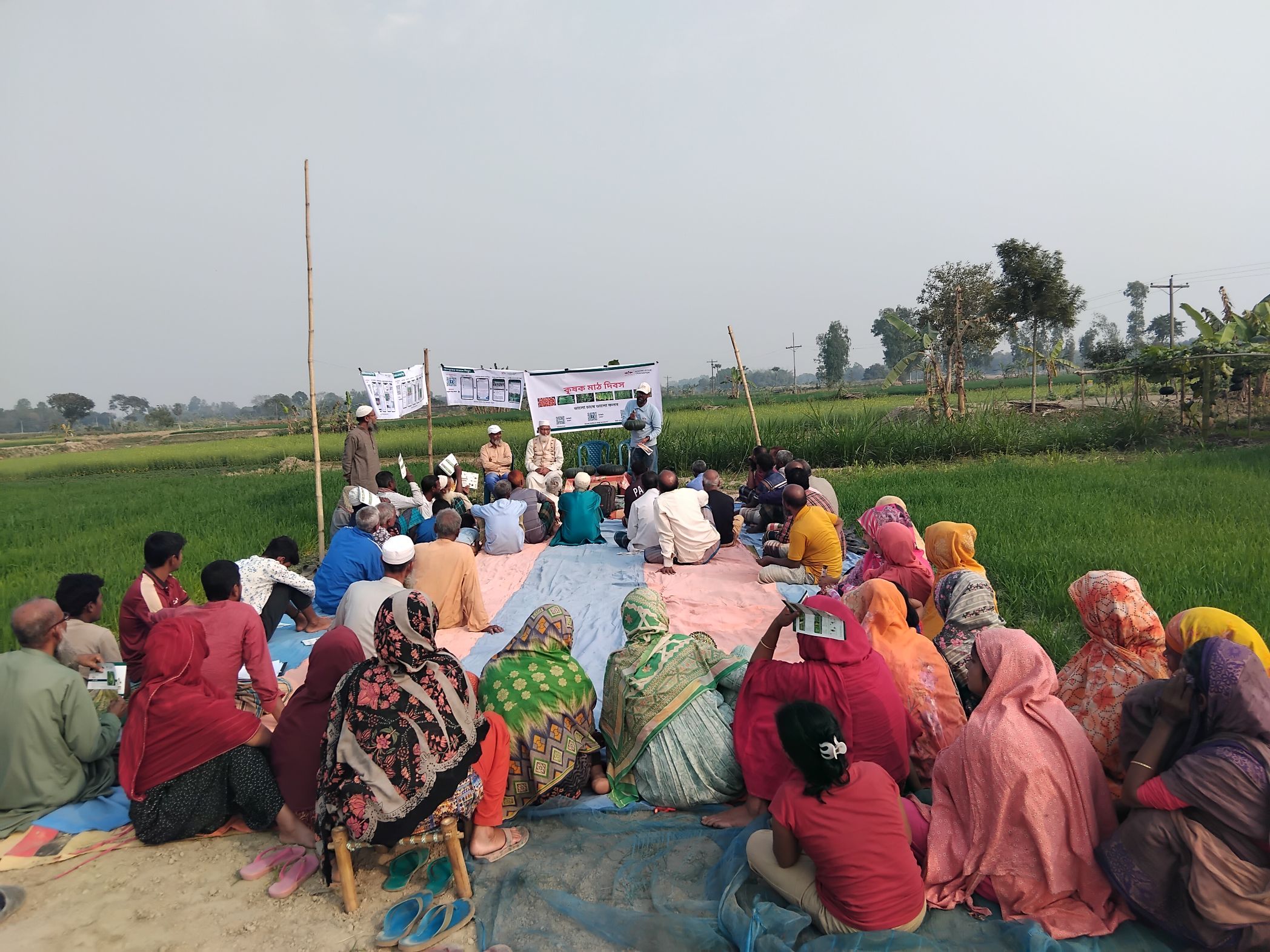
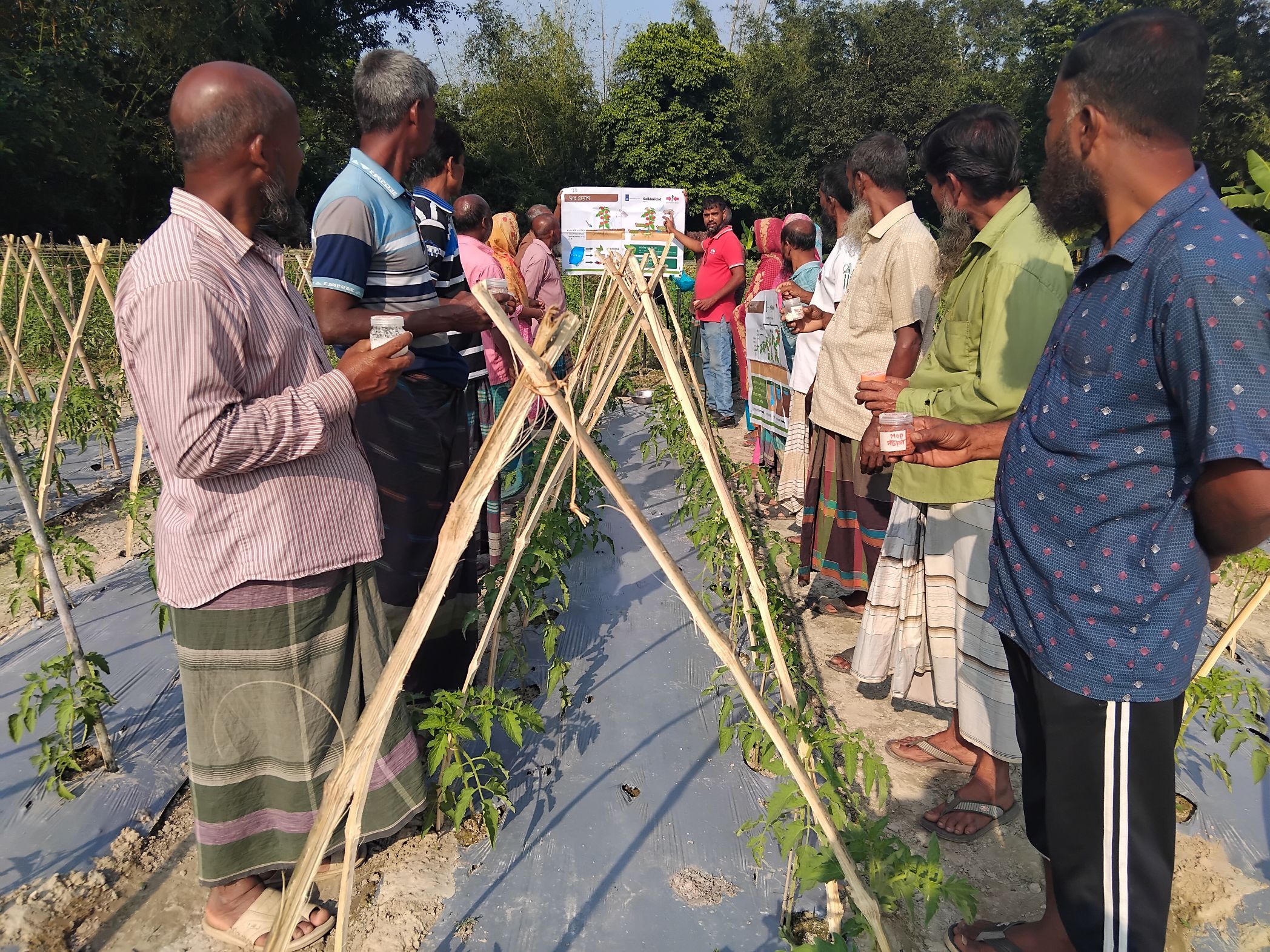
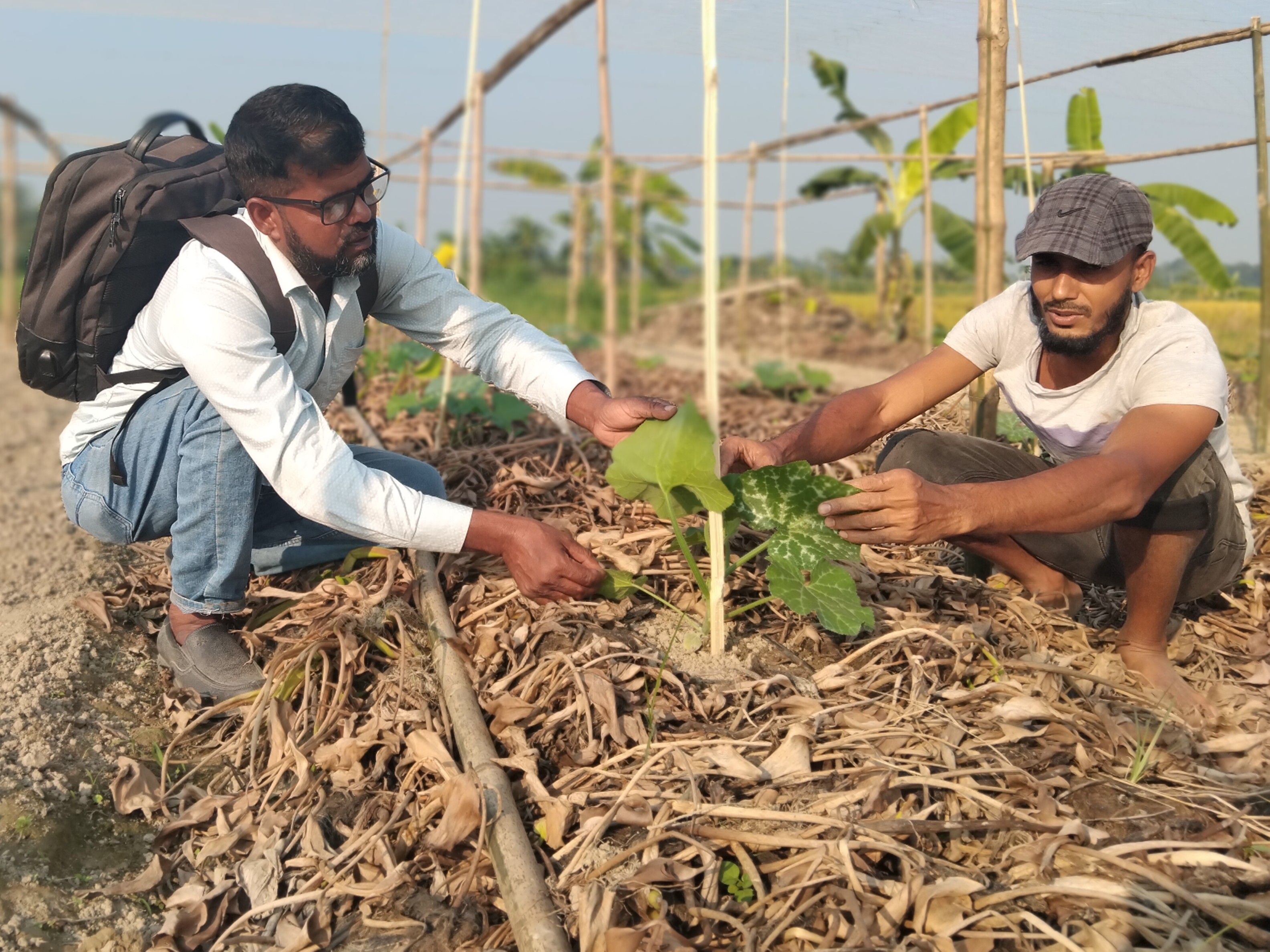
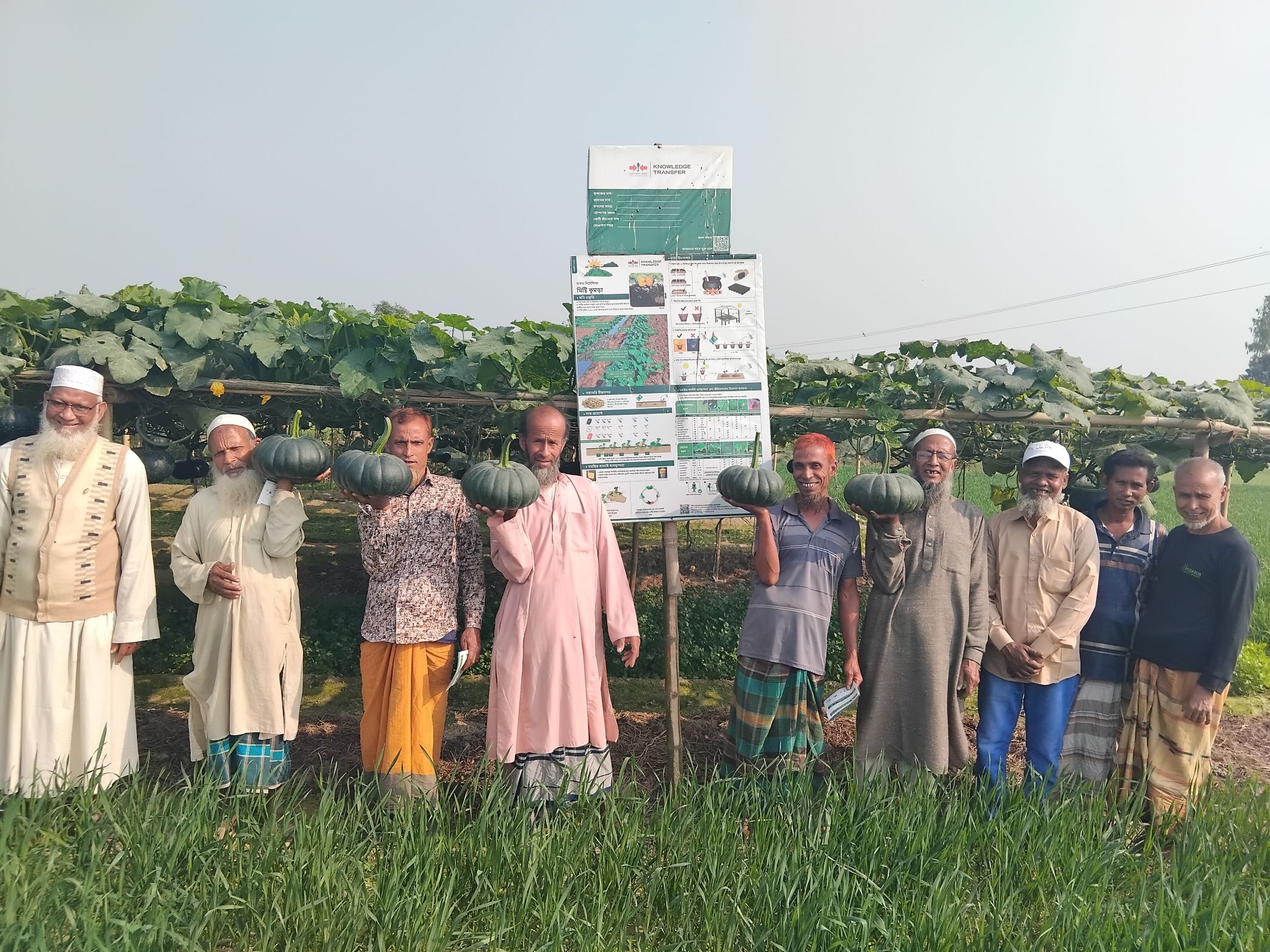
- Establish 600 climate-smart demonstration plots managed by 300 key farmers.
- Train 17,500 farmers on climate-smart techniques (water-efficient technologies, soil health, integrated pest management, and responsible use of agrochemicals), with approximately 6,000 of these farmers attending training on farm business planning, financial literacy, and record-keeping.
- Develop 20 climate-resilient nurseries (at least 8 of which are women-led) producing quality seedlings and serving as service hubs.
- Build a network of Community Farmer Facilitators delivering ongoing advisory support.
- Train 50 agro-input retailers as frontline advisors on climate-resilient technologies and responsible use of agrochemicals.
- Facilitate market linkages between farmer groups, input suppliers, traders, and transporters.
- Deliver twice-monthly vegetable market price bulletins to support crop planning and improved market timing.
- Localize Bangla-language technical content on the EWS-KT GrowHow site for use in the Barind Tract and ensure strong inclusion of women and youth.
Expected Outcomes
- 17,500 farmers (at least 40% women and 25% youth) trained, with 70% adopting at least 2 climate-smart practices.
- 30%–40% yield increase and 8%–10% reduction in production costs.
- 20%–30% profit increase for farmers adopting climate-smart practices and business planning methods.
- 10%–15% reduction in post-harvest losses through improved handling practices.
- Strengthened input and market linkages and sustainable service ecosystems (Community Farmer Facilitators, nurseries, agro-input retailers) continuing beyond the project period.
EWS-KT Partners
Funding partners: De Eik Foundation
Project Period
1 January 2026 – 31 December 2028
Location
Bangladesh: Barind Tract (Rajshahi, Naogaon, and Chapai Nawabganj districts)
This project is supported by De Eik Foundation and is implemented by EWS-KT.
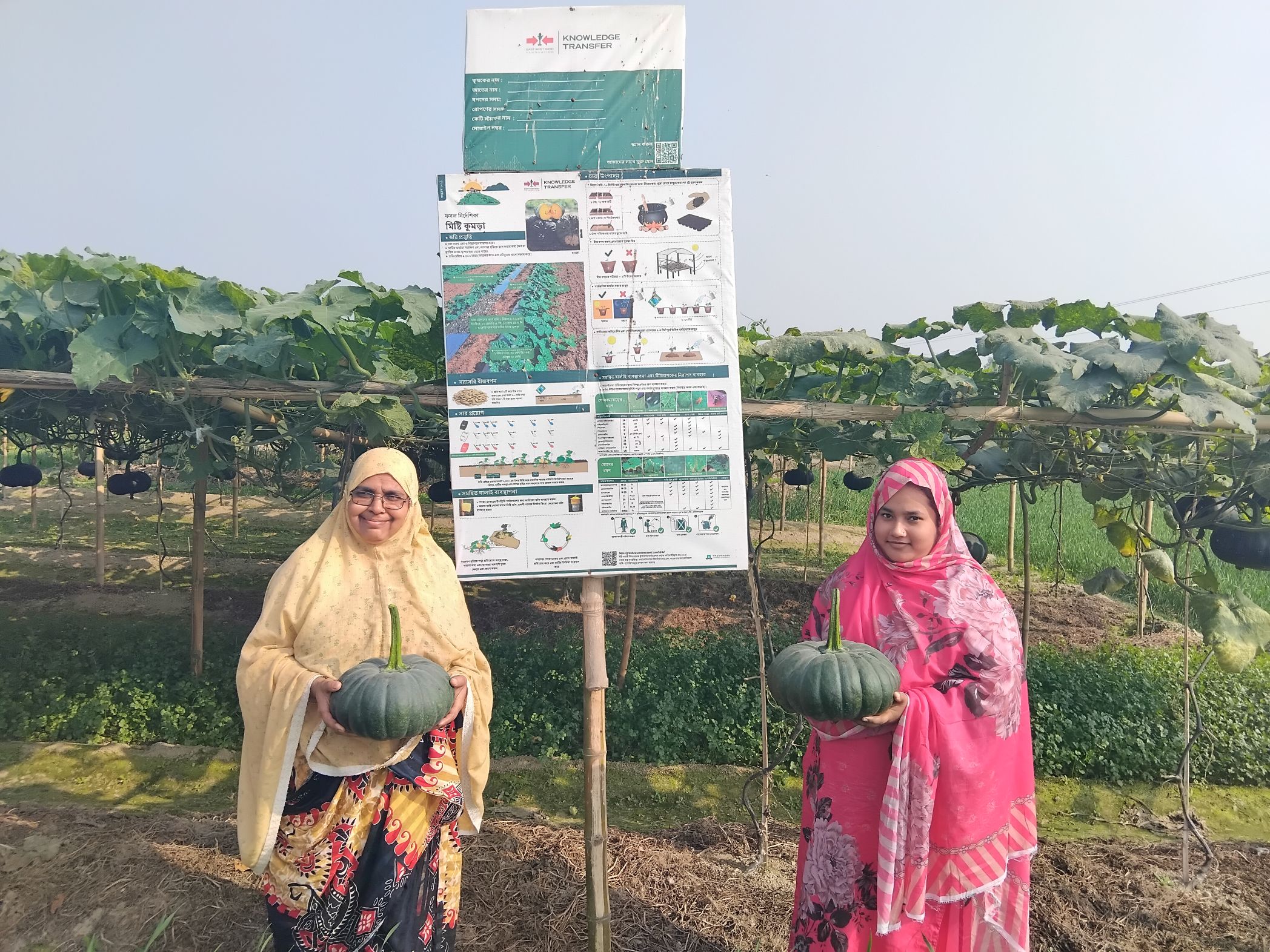
Photos from the project . . .