

Project Summary
Adapt for Climate Resilience in South-East Myanmar
Myanmar | 2025–2028
Context and Project Objective
Southeastern Myanmar faces complex challenges due to the combined impacts of climate change and widespread instability. Farmers increasingly struggle to earn a living, while communities lack enough nutritious food.
In Kayin state, high levels of displacement and unrest have disrupted agricultural livelihoods, while tensions along the border with Thailand have worsened food insecurity. Next door, Mon state remains vulnerable to economic shocks, environmental degradation, and the effects of displacement from neighboring areas. At the same time, climate change is compounding existing vulnerabilities and threatening the livelihoods of farming communities. Erratic weather patterns, including more frequent floods, droughts, and heatwaves, are reducing agricultural yields and damaging critical infrastructure.
In response, HEKS/EPER Myanmar is leading the implementation of the Adapt for Climate Resilience in South-East Myanmar project, working closely with private-sector partners Agros, Borderless Link Myanmar, and East-West Seed Knowledge Transfer, as well as local civil society organizations.
The Adapt project aims to reach 20,000 people and 100 women-led enterprises in all, strengthening participants’ ability to generate sustainable incomes and improve food security. The project works primarily with existing smallholder farmers, as well as displaced people and other vulnerable groups such as youth and women.
Working holistically, Adapt seeks to increase resilience and promote sustainable livelihoods through four interconnected approaches:
- To address challenges of water scarcity and water excess, the project introduces water management solutions that include sustainable irrigation systems and nature-based approaches that improve water access, optimize efficiency, and enhance retention.
- To build robust value chains for improved agricultural inputs, including climate-resilient seeds, cover crops, and fertilizers, the project supports local seed production, enhances supply chains, and establishes distribution channels. This ensures that smallholder farmers can access high-quality inputs and adopt improved agricultural technologies.
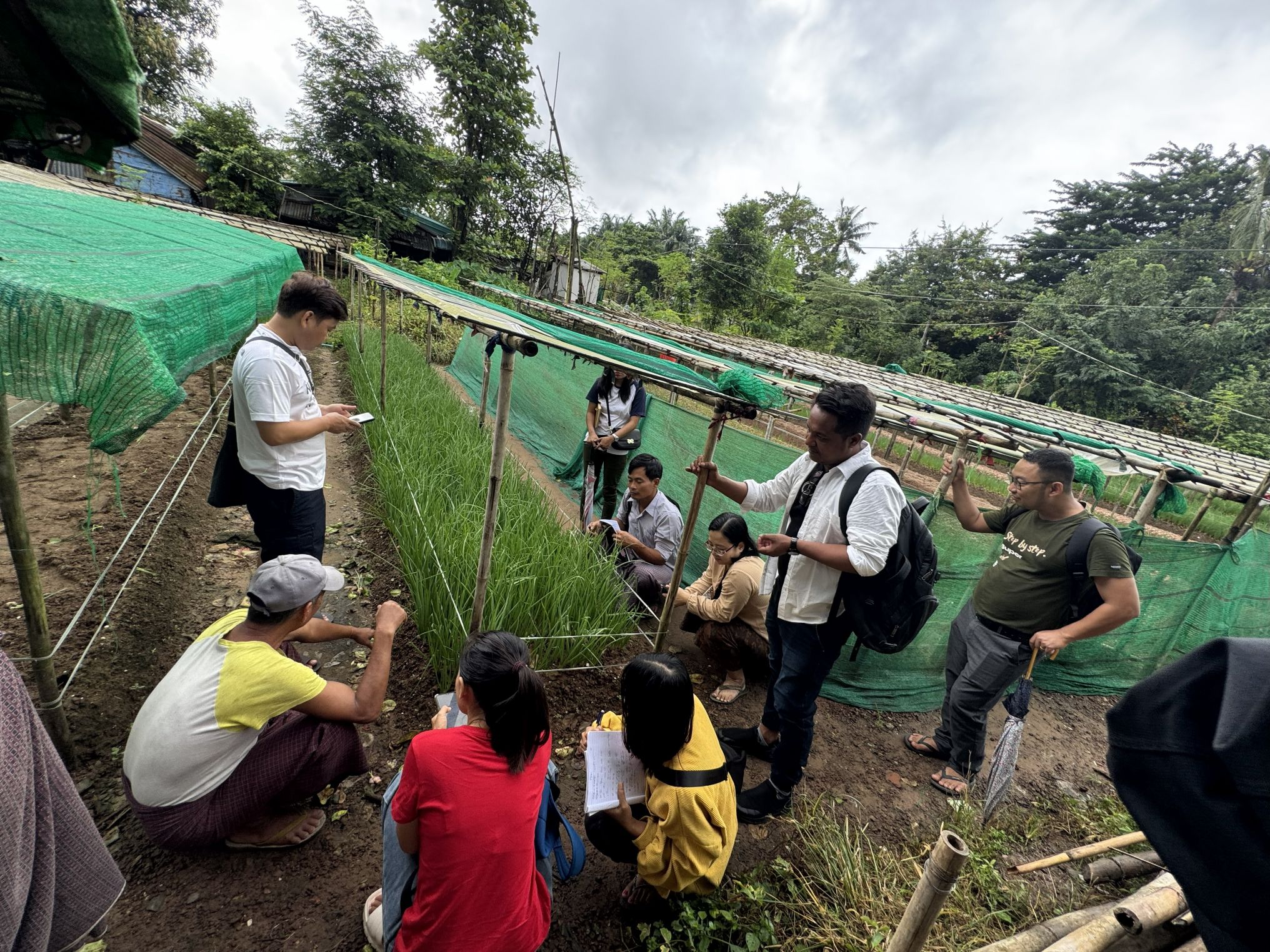
- To drive the adoption of regenerative and climate-resilient agriculture, the project provides tailored training, utilizes demonstration farms as practical learning hubs, and facilitates community-led awareness campaigns. These efforts emphasize diversification of production systems to enhance resilience to shocks and include a training-of-trainers approach to promote knowledge sharing in remote areas.
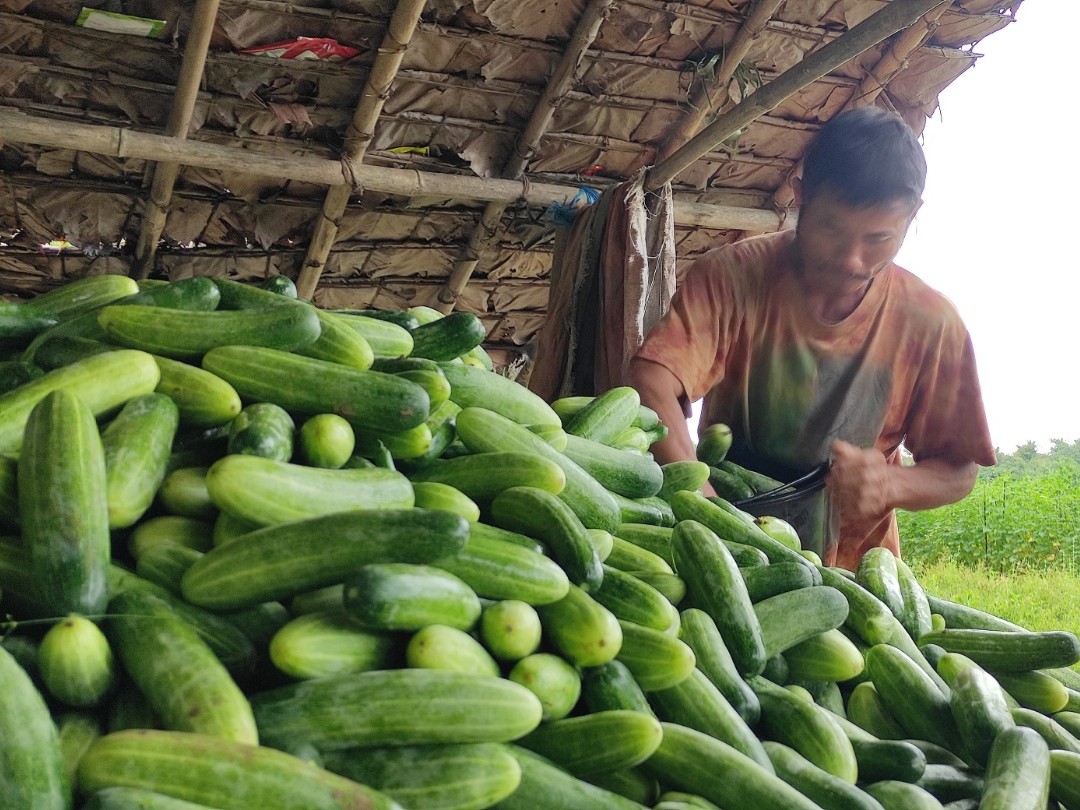
- To strengthen market linkages and local food systems, the project engages agricultural processors, buyers, and other market actors to source from climate-resilient farmers and farmer groups. This includes the establishment of hubs to provide essential services, market access, and financial opportunities for small-scale farmers and women-led enterprises.
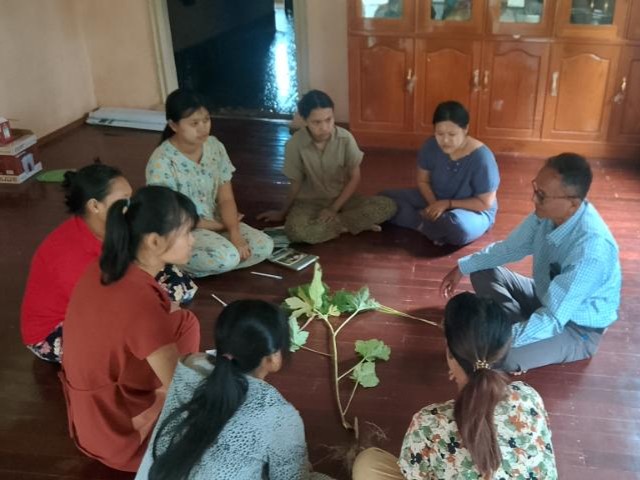
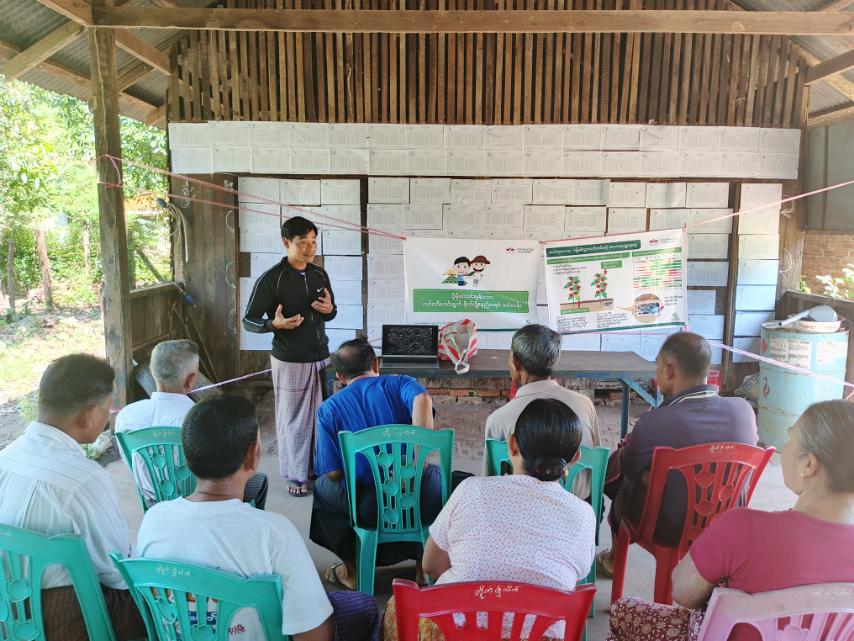
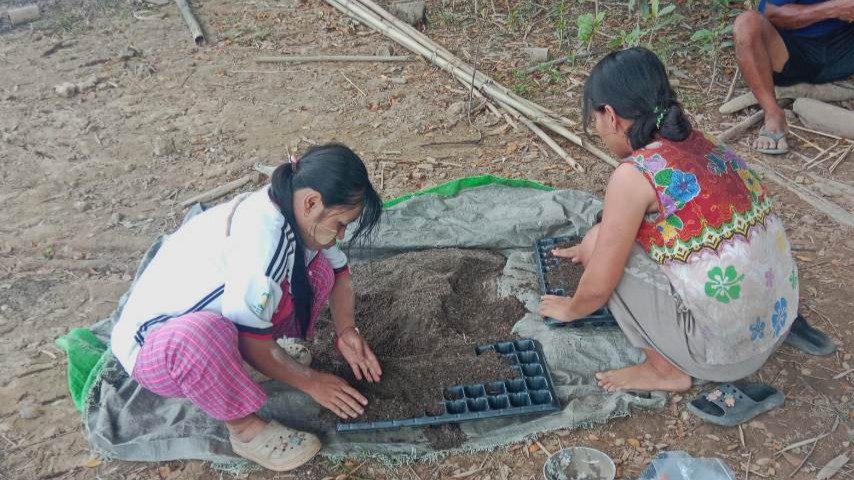
Within this framework, East-West Seed Knowledge Transfer (EWS-KT) is focusing on driving the adoption of regenerative and climate-resilient agriculture by smallholder farmers and home gardeners. Working in Hpa-An (Kayin state) and Mudon (Mon state), EWS-KT is directly training farmers in sustainable production techniques, including soil fertility management, water conservation, and nutrient cycling. EWS-KT is also conducting training-of-trainers sessions on vegetable production for local civil society organizations, students, and selected key farmers to expand knowledge transfer efforts in remote areas.
Expected Outputs & Outcomes (EWS-KT only)
- Through demonstration farms, hands-on training, and Field Day events, equip 3,675 smallholder farmers (45% women and 35% youth) with the skills and knowledge to adopt regenerative and climate-resilient vegetable farming practices.
- Set up 1,260 home gardens for core group farmers (farmers committed to attending the full program of training sessions at a neighboring key farmer’s demonstration farm) to strengthen food security and climate adaptation at the household level.
- Through mobile technical training, prepare local civil society organizations to disseminate regenerative vegetable production techniques to rural populations.
- Establish a study farm and provide an intensive on-site certification course to 70 students, who will then train 3,500 farmers and establish 350 home gardens in their own communities.
- Hold training-of-trainers sessions for 84 highly motivated key farmers, who will then train an additional 2,100 farmers in their own communities.
EWS-KT Partners
Implementing partners: HEKS/EPER Myanmar (lead partner), Agros, and Borderless Link Myanmar
Project Period
1 May 2025 – 31 May 2028
Location
Myanmar: Kayin and Mon states