
From One Farmer to a Farmer-Led Vegetable Cluster in the Philippines
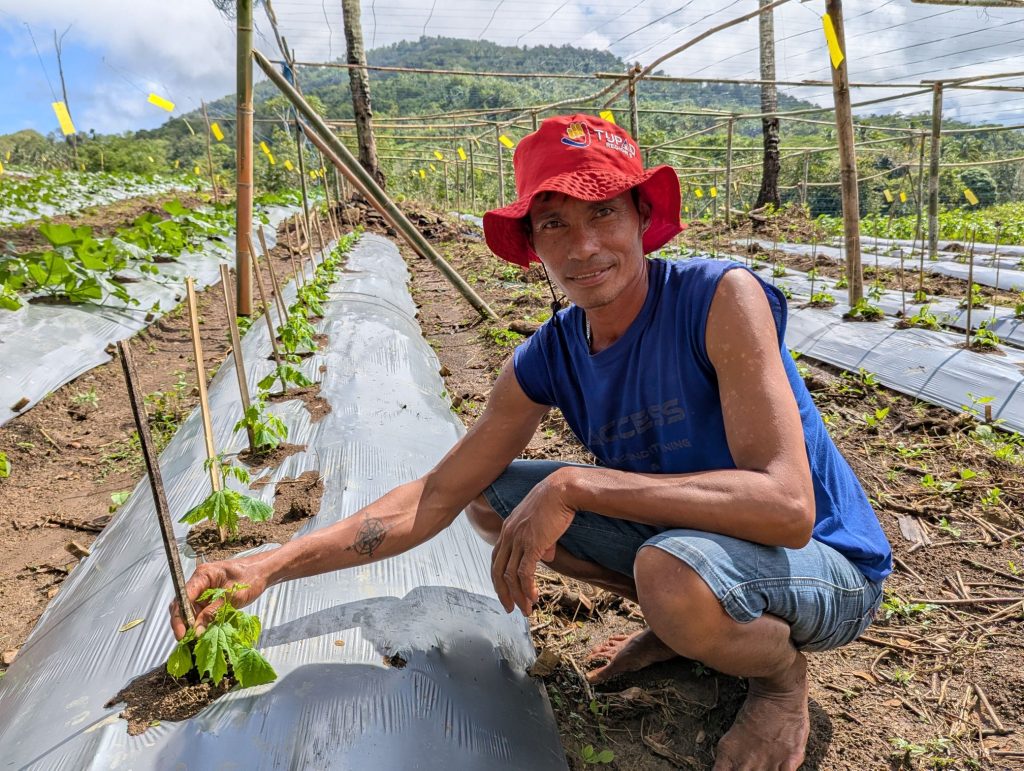
MINDANAO, PHILIPPINES – San Antonio, a village in Titay, Zamboanga Sibugay, has long been shaped by rice and rubber. These farming systems were stable but narrow, offering limited income potential and little protection against climate and market risks. Vegetable production was not widely practiced, largely because it was unfamiliar and perceived as a higher-risk option.
Virgilio Ganub, president of the local rice farmers’ association, reflected this reality. He cultivated 2 hectares of rice, earning around 400,000–450,000 pesos ($6,711–$7,546) annually, and earned another 80,000–100,000 pesos ($1,342–$1,677) from just under a hectare of rubber harvested by a tenant. These crops sustained his household but left little room for growth or reinvestment.
Diversifying Income Through Vegetables
Through the ZamPen SIVI project, EWS-KT introduced vegetable production as a market-oriented diversification option. Virgilio became the project’s first key farmer in the area, starting slowly with tomatoes and onions on just 500 square meters of land.
The results were clear. After a successful first crop, he expanded his vegetable area to 2,500 square meters, generating 90,000 pesos ($1,510) in annual income—significantly more than rice ($839–$940) or rubber ($336–$420) on the same size land.
“My income was limited when it depended mainly on rice production. One crop, one income, and a lot of worries in between. By integrating vegetables, I gained an additional and more sustainable source of income,” Virgilio said.
Leading by Example
What followed was farmer-led growth. As Virgilio is a trusted community leader, his results carried credibility. Fellow rice farmers observed his real income gains and began diversifying.
From one farmer, vegetable adoption multiplied. Today, 32 farmers—most of them current or former rice farmers—are growing vegetables in San Antonio in a communal area, with over 16,000 square meters of land now under vegetable production.
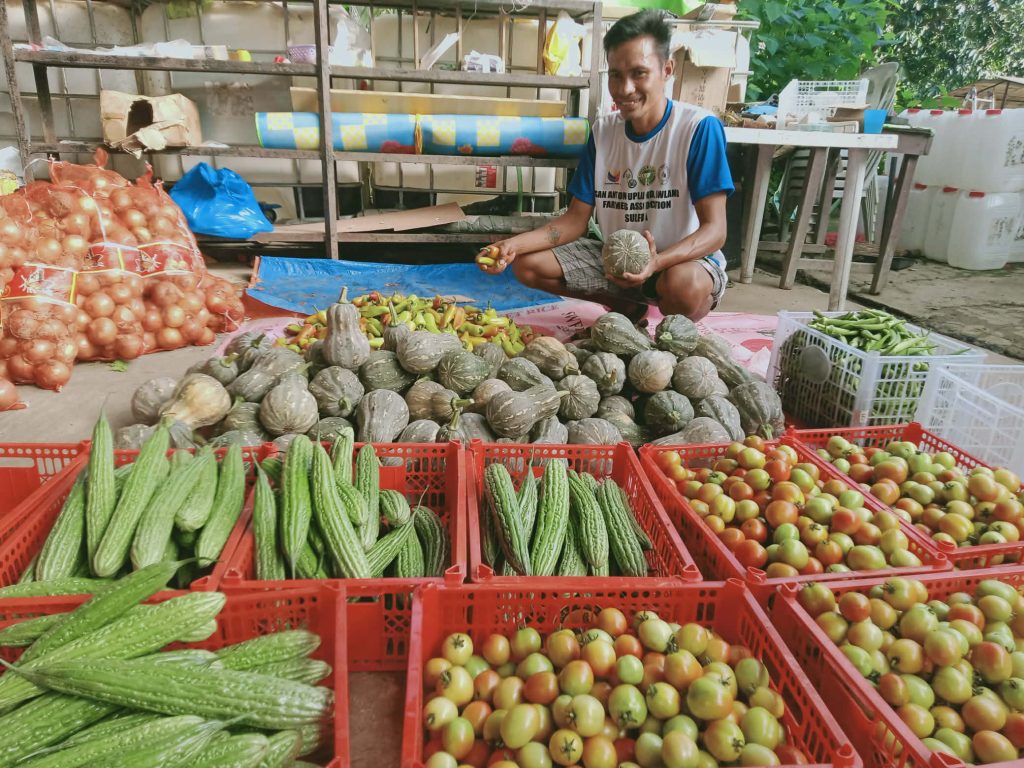
At least 20 of these farmers are engaged in clustered vegetable production, working collaboratively to deliver a larger quantity of vegetables to contracted buyers.
This farmer-led vegetable cluster provides guaranteed access to markets for participating farmers—an outcome driven by demonstrated profitability and market demand, and by Virgilio’s pioneering adoption of vegetable production.
The ZamPen SIVI (Sustainable Intensification Through Vegetables Intercropping in Perennial Crops Farming Systems in Zamboanga Peninsula, Mindanao Island, Philippines) project is co-funded by the BIMP-EAGA-ROK Cooperation Fund, with grant administration by Global Green Growth Institute.