

Partnership with DEG Impulse to Empower 45,000 Farmers in India
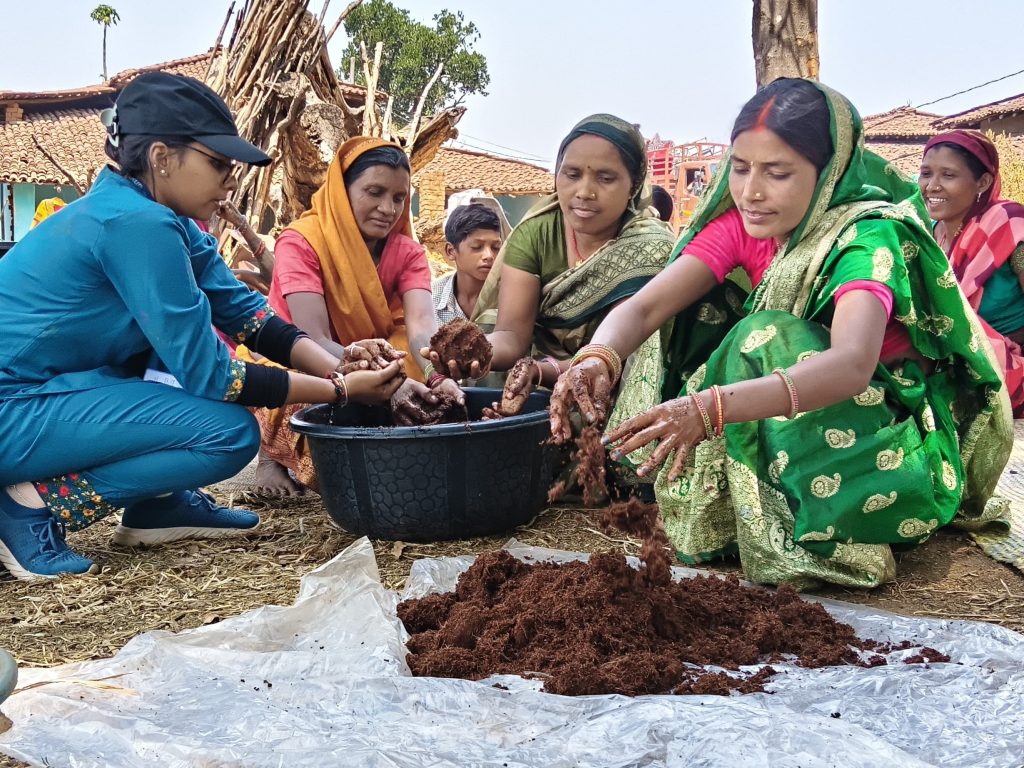
ASSAM & CHHATTISGARH, INDIA – With support from DEG Impulse, we have begun to offer training in climate-resilient vegetable production to smallholder farmers in Chhattisgarh and northeastern Assam, India. In these under-resourced areas, farmers have little access to technical vegetable farming advice and often lack the knowledge to produce vegetables in a climate-smart and profitable way. These gaps result in reduced output: vegetable yields in these two states are 10–15 tons per hectare, compared to a national average of 25 tons per hectare.
This 3-year project aims to strengthen the livelihoods of 45,240 farmers by building their capacity in sustainable vegetable production practices that improve yields, incomes, and resilience in the face of climate change.
“This multi-year initiative with DEG Impulse brings greatly needed knowledge to smallholder farmers in underserved areas of northeastern Assam and Chhattisgarh,” said Stuart Morris, Executive Director of East-West Seed Knowledge Transfer Foundation (EWS-KT). “Our comprehensive training approach not only introduces farmers to effective, climate-resilient techniques but also enables them to make informed decisions about everything from crop and variety selection to responsible pest management methods.”
Local Knowledge and Advisory Support
In addition to field-based farmer training and exposure through farmer-led vegetable demonstration plots, the project is developing local knowledge and advisory systems that will continue to serve farming communities beyond the project period.
These activities include preparing selected farmers as community-based trainers to provide last-mile extension services to rural farmers, as well as building the advisory capacity of agro-input dealers and sector professionals to improve the wider support system around vegetable farming. Two EWS-KT Center of Excellence learning farms, one in each state, will serve as longer-term hubs for knowledge and innovation.
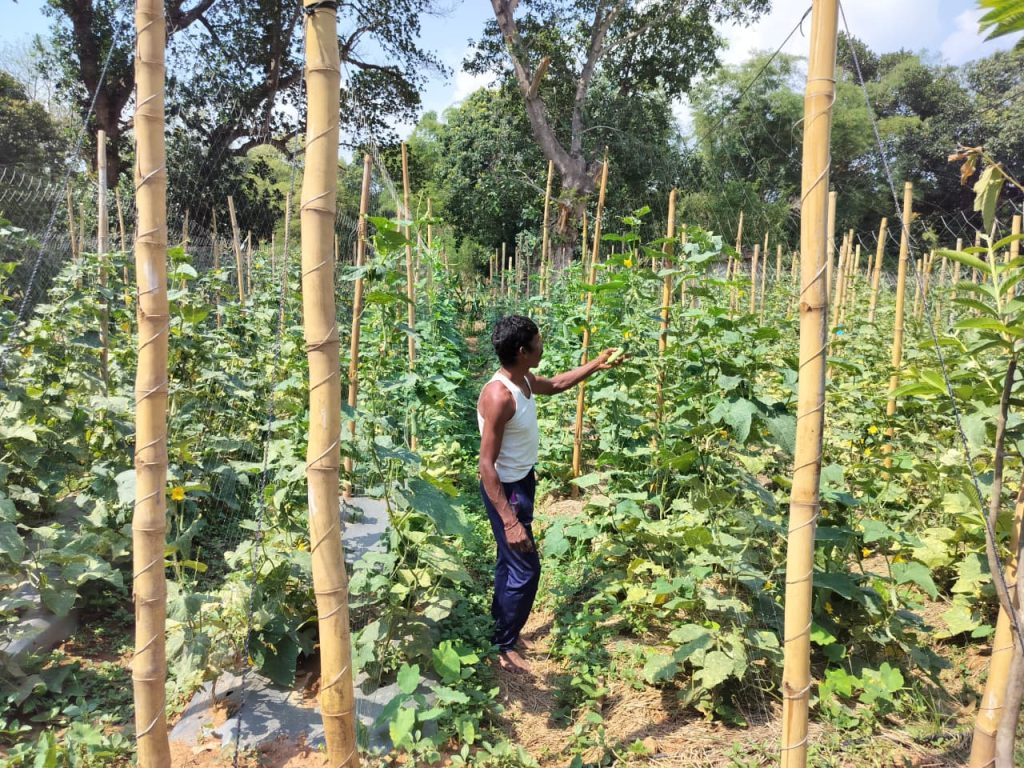
Currently, we are working in seven districts: Golaghat, Jorhat, and Sivasagar districts in Assam, and Balrampur, Bastar, Kondagaon, and Surajpur districts in Chhattisgarh. Our field-based training sessions are introducing farmers to a range of climate-adapted techniques, including seedling nurseries with sustainable sowing media like cocopeat and vermicompost; mulching and drip irrigation for water conservation and soil health; and integrated pest management for healthier crops, reduced costs, and safe-to-eat harvests.
At least two-thirds of the farmers trained through the project are anticipated to adopt improved vegetable production practices, doubling their yields and incomes in fields where these techniques are applied. Together, these farmers are expected to produce an additional 23,500 metric tons of vegetables annually by the end of the project period, increasing the supply of quality vegetables to local markets and consumers.
This project is co-financed by DEG Impulse from public funds of the German Federal Ministry for Economic Cooperation and Development. It is implemented by East-West International BV in collaboration with East-West Seed India, EWS-KT, and Wageningen University & Research.
For more information, visit the Fostering Climate Resilience by Empowering Smallholder Farmers for Sustainable Vegetable Production project page or contact EWS-KT.