

Financial Inclusion and Climate-Smart Farming Unlock Opportunities in Uganda
LIRA, UGANDA – Access to financial services is proving to be a game changer for smallholder vegetable farmers in northern Uganda.
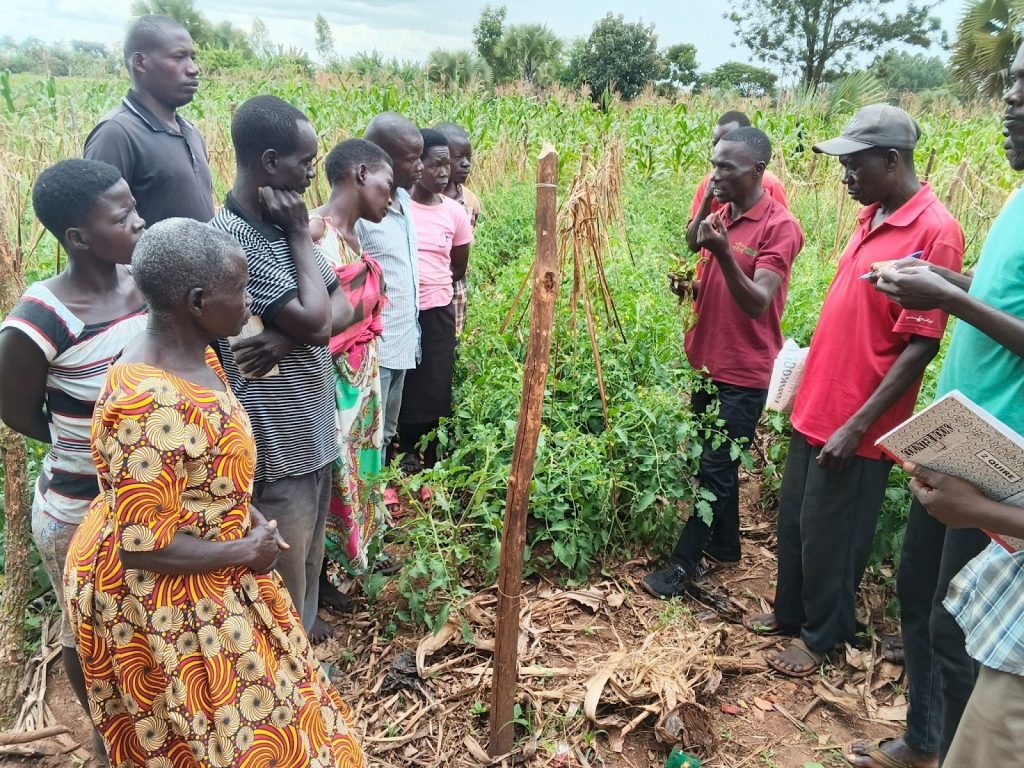
David Baguma, Senior Project Lead for East-West Seed Knowledge Transfer Foundation (EWS-KT) in Uganda, was in Lira recently to visit farmers who had received vegetable production loans under an ongoing initiative to expand access to finance.
“What I found was amazing,” David said. “At least 85% of the farmers who got a loan in the first season have now repaid their first loan, taken a second loan, and increased their vegetable production.”
Opening Doors Through Finance
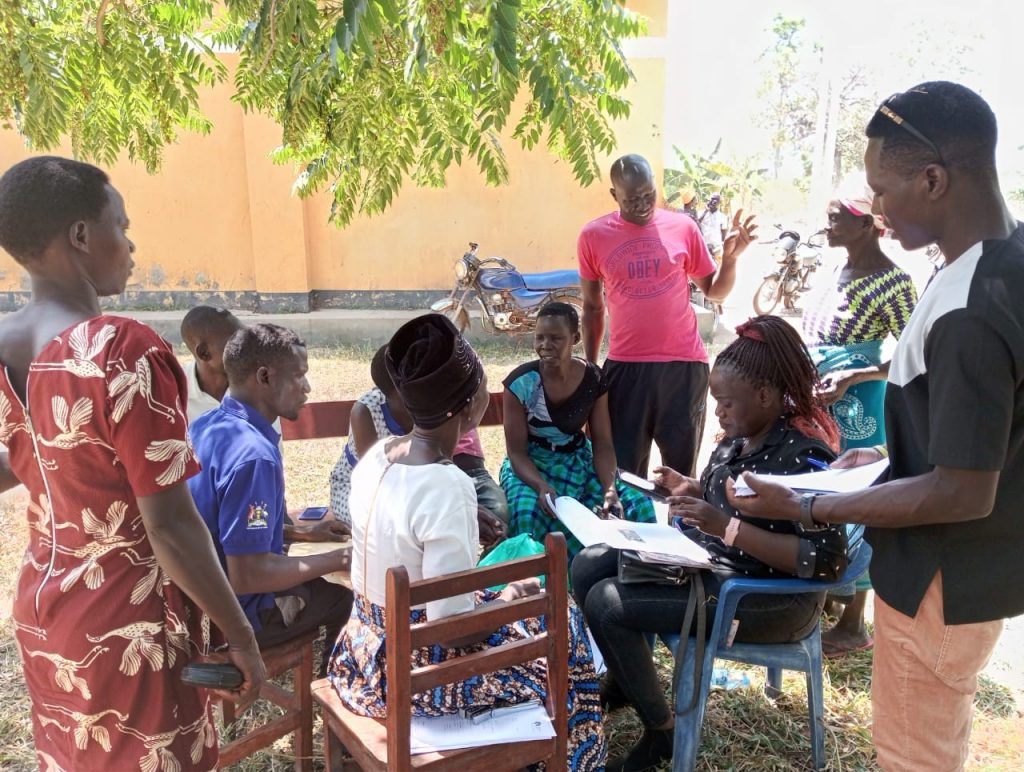
Limited access to financial services is a major barrier to farm success and expansion for farmers in northern Uganda. Without adequate financing, farmers may not have enough money to purchase quality seeds at the right time for planting, or to buy the fertilizers and other supplies they need during the growing season. Lack of financing also constrains farmers who want to grow their farming business.
In addition, formal banking is not prevalent in rural communities in this area, and few farmers have a bank account, which would enable them to securely store money, build savings, and take advantage of digital transactions.
To address these challenges, EWS-KT is implementing the Piloting Access to Finance for Smallholder Farmers in Northern Uganda project (2024–2027) in collaboration with Centenary Bank and with co-funding from the Austrian Development Agency, Austria’s federal agency for development cooperation and humanitarian aid.
This initiative uses an integrated three-step approach for livelihood development:
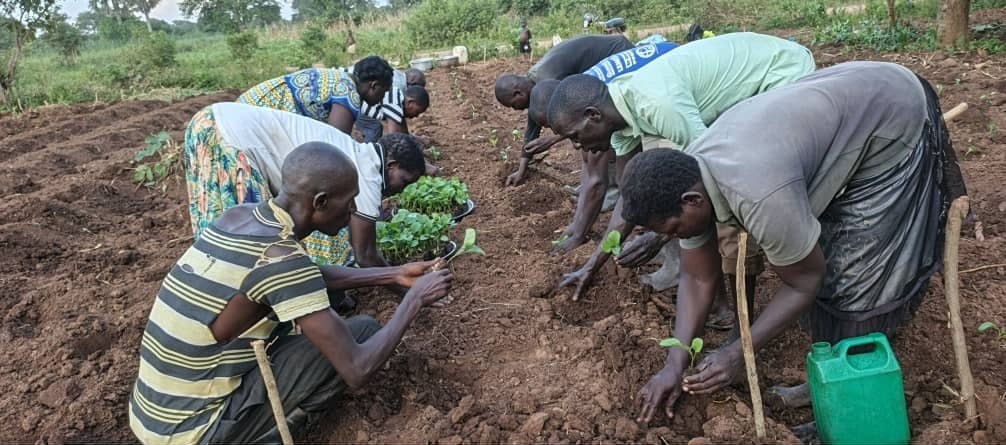
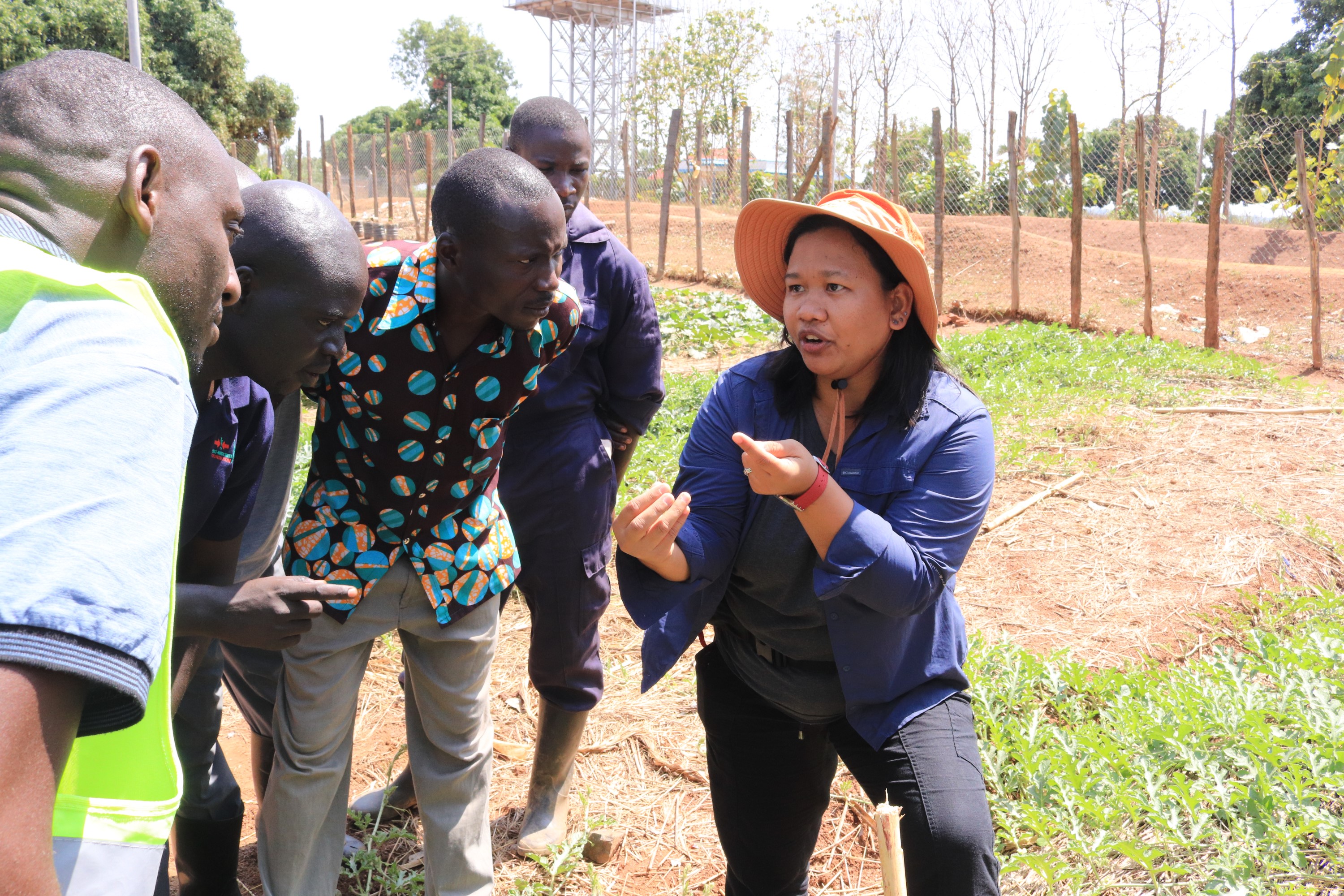
- Provide farmers with comprehensive training in farm business planning and climate-smart agricultural techniques for vegetable production.
- Certify trained farmers, with a goal to increase their credit scores. In order to be certified, farmers must pass a technical knowledge test and demonstrate their skills.
- Connect farmers to partner Centenary Bank for savings accounts and affordable, tailored loans.
Meaningful Change for Farmers
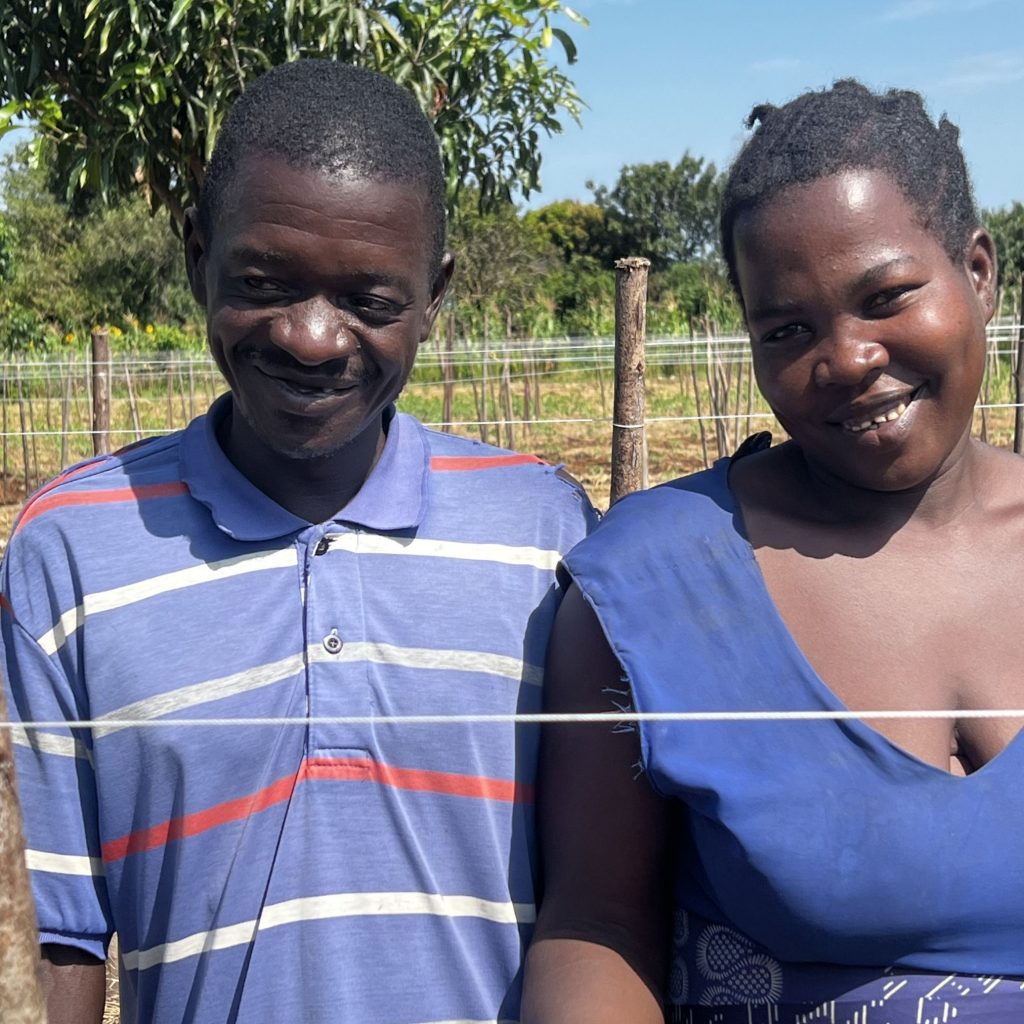

While in Lira, David met with certified farmers Calvin Ajal and Polly Opio, who work together on their farm. Last season, they received a 500,000 UGX ($138) loan, which they used to manage their tomato field. By the end of the season, they had earned a net profit of 1,900,000 UGX ($524)—after loan repayment and other expenses. This income enabled them to buy a pregnant heifer and further invest in their business by expanding their vegetable production area.
David also visited Alex Opio, who has been a smallholder farmer for 21 years. Through his participation in the project, Alex recently accessed farm financing for the first time in his life, taking out an 800,000 UGX ($221) loan.
“Alex told me that getting a loan simplified his work, as he was able to conduct all his field activities on time and implement all the practices as recommended, which increased his yields and productivity,” David reported. “Going through his business records with him, I saw that he had invested 705,000 UGX ($194) and earned a net profit of 3,470,000 UGX ($957), a nearly 500% return on investment.”
After Alex repaid the first loan, he applied for and received a second loan, for 1,000,000 UGX ($276). With the proceeds from his first harvest of the season, he had already made the initial payment on the loan.
Project Accomplishments to Date
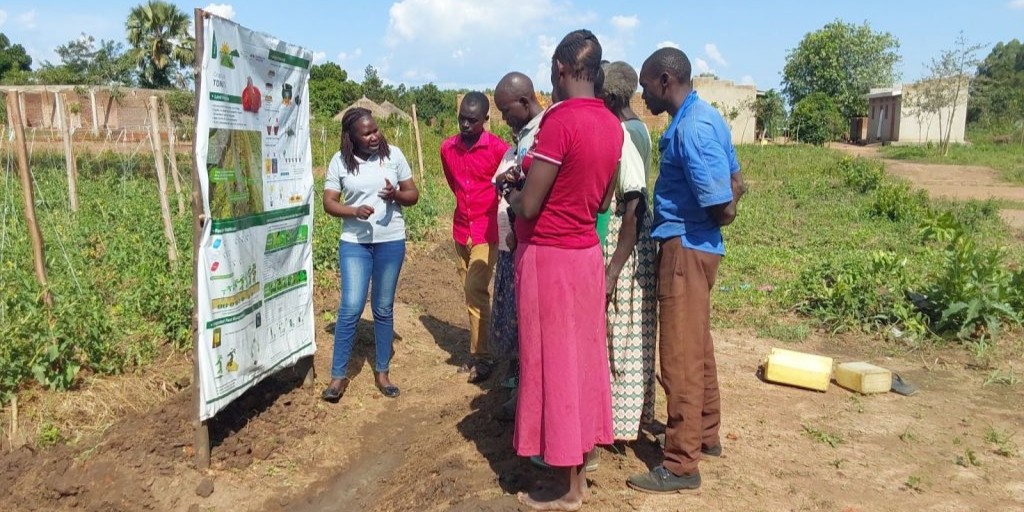
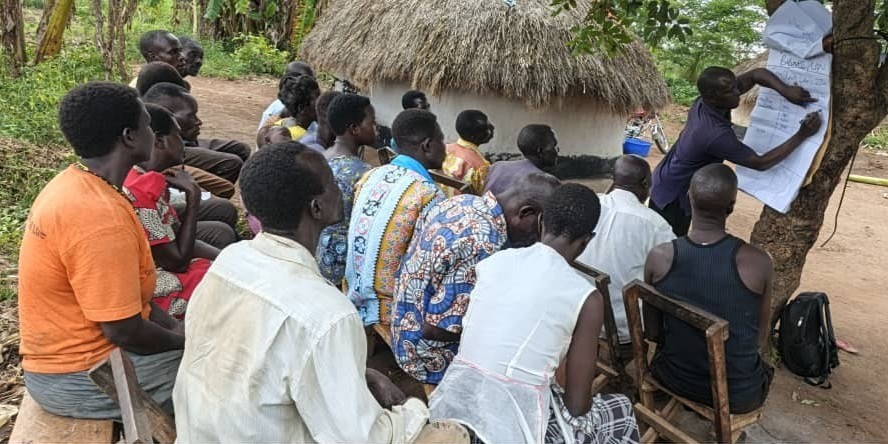
Since the project began in August 2024,
- 4,741 farmers have received training on business planning and climate-smart agronomic practices. In line with EWS-KT’s emphasis on women and youth, 55% of the farmers were female, and 60% were under the age of 35.
- 1,825 farmers have been certified by EWS-KT.
- 1,127 farmers have opened bank accounts. For more than 90% of these farmers, this is the first bank account they have ever had.
- 168 farmers have acquired vegetable production loans, with nearly 60 more in the application process.
- At least 85% of the farmers who took a production loan in the first season have taken a second and higher one in the second season.
- Centenary Bank reported a remarkable 99% loan repayment rate and low risk in the project areas. The bank attributed this to the certified farmers’ enhanced vegetable production knowledge and greater market linkages compared to farmers in non-project areas.
The project has been especially impactful for youth, who tend to have less land and capital. “Access to finance is unlocking commercial vegetable production opportunities for young farmers, who in most cases are limited by production finance,” David found.
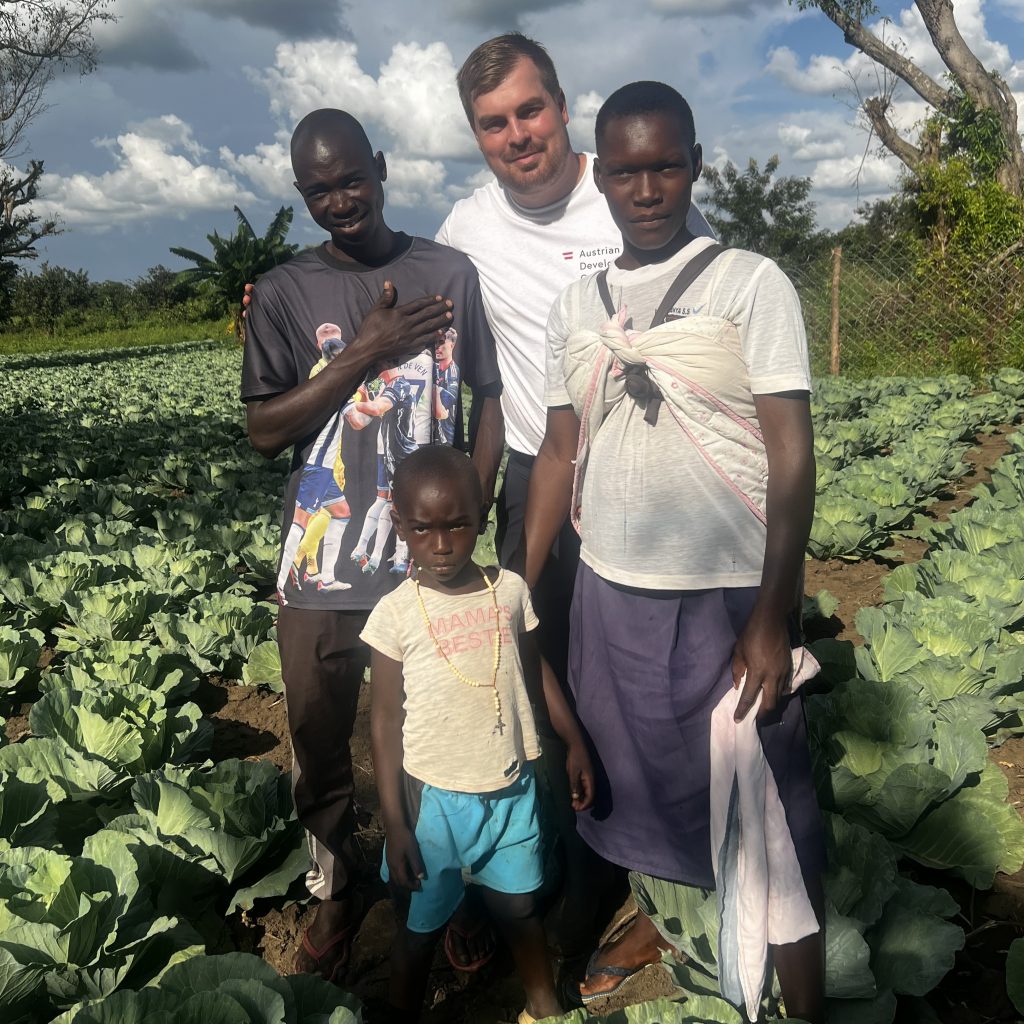
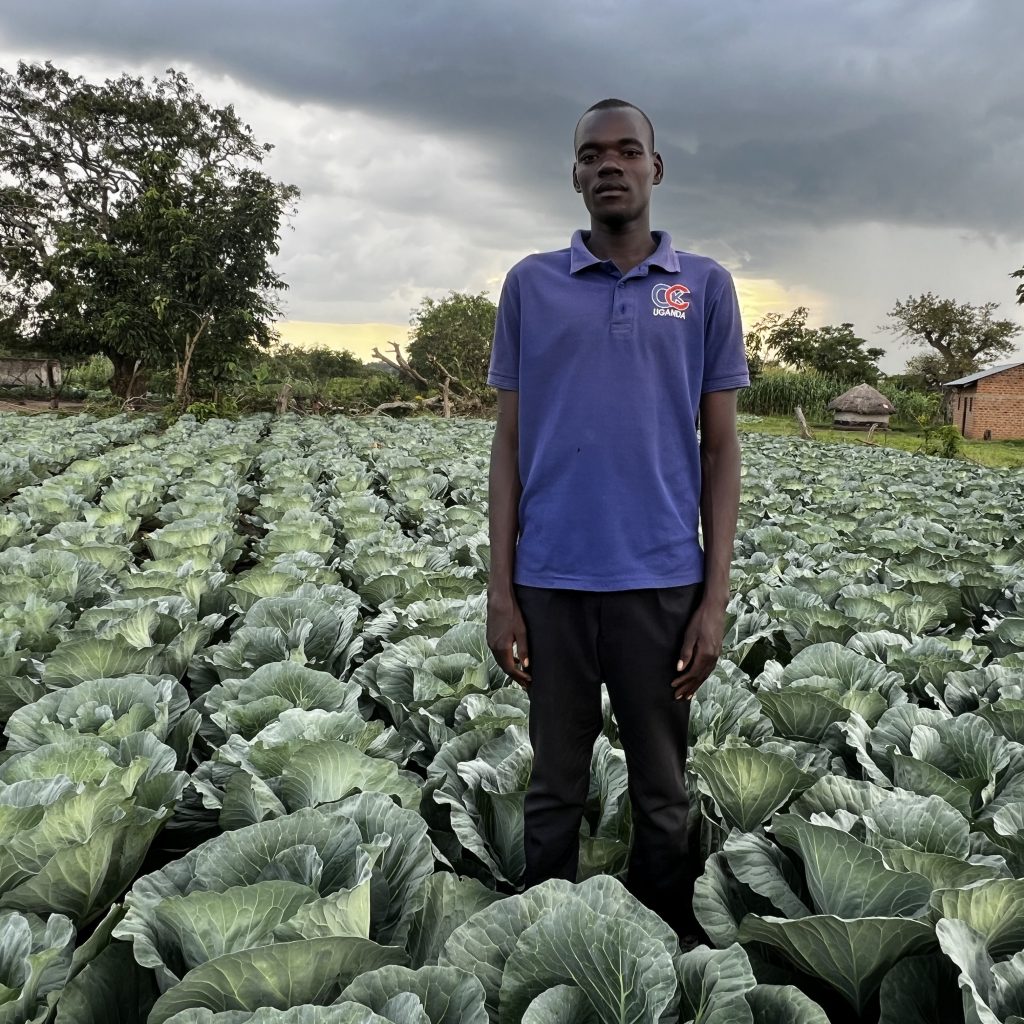
For farmers like Alex, Calvin, and Polly, as well as Santos and Walter, the combination of climate-resilient farming techniques and financial inclusion is transforming their livelihoods and enabling them to reach new heights in vegetable production.