Project Launch

Context and Project Objective
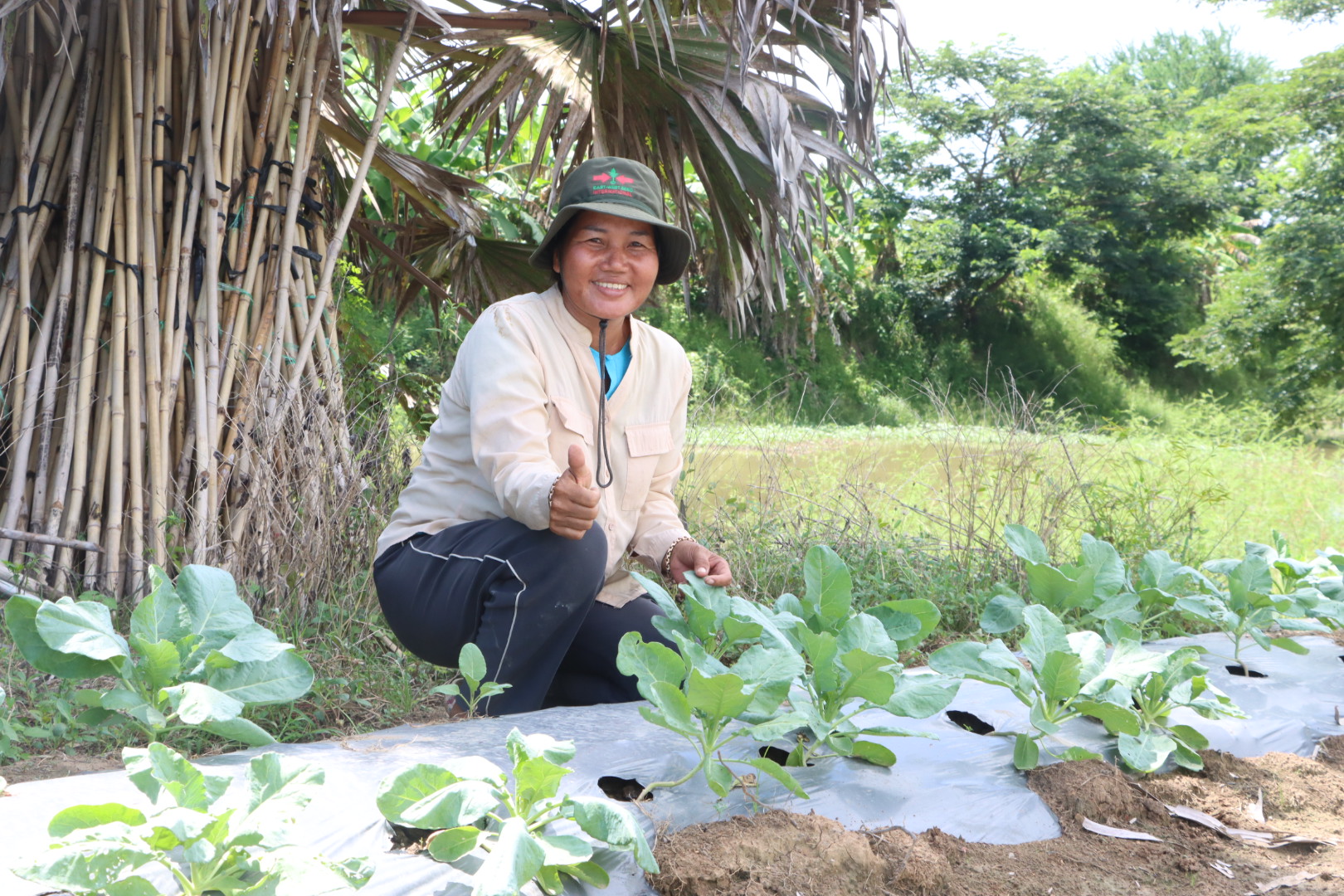
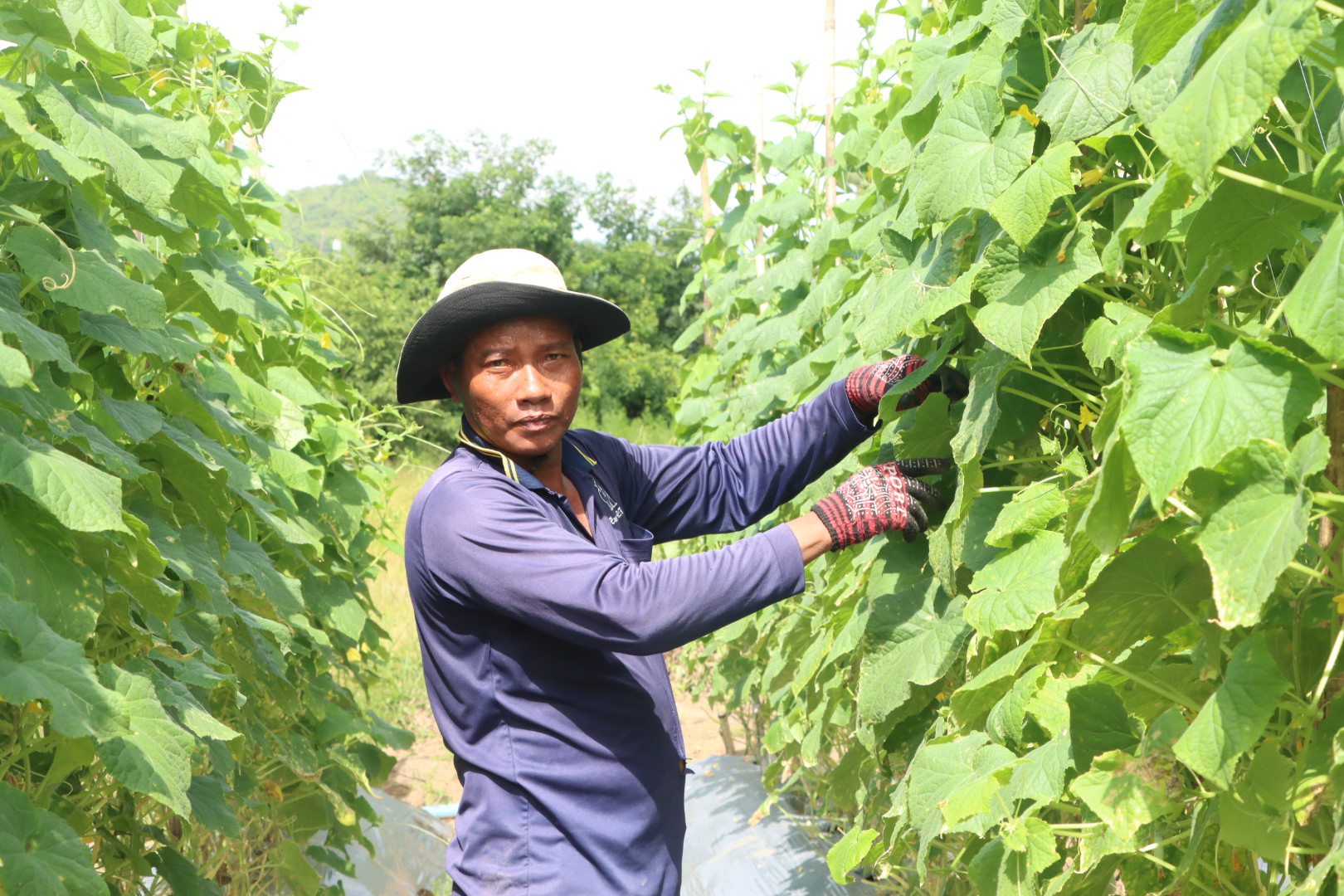
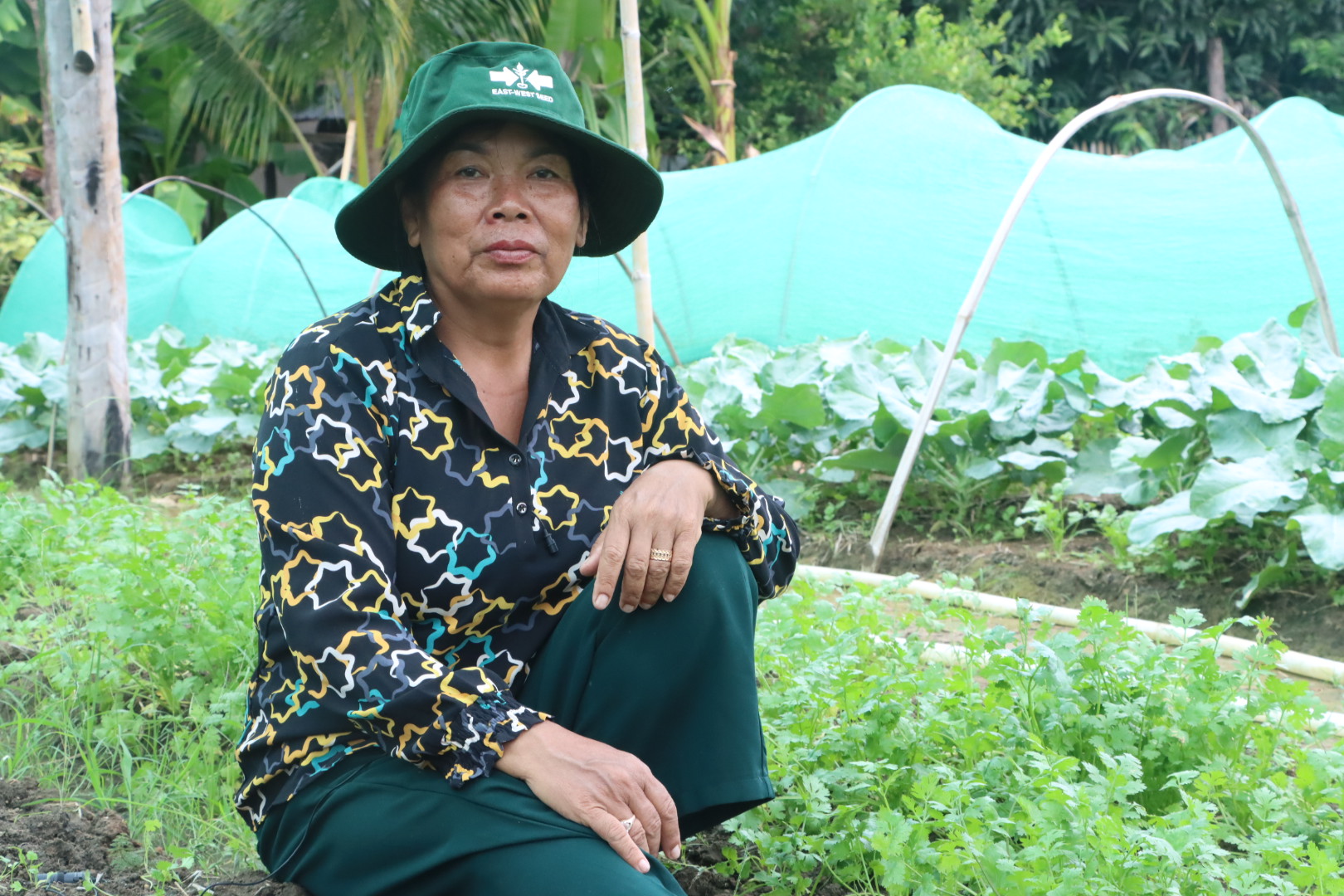
Rural farmers in northwestern Cambodia often struggle with low yields and poor-quality produce, and their challenges are now exacerbated by the effects of climate change. Many farmers also lack the planning and business skills to take full advantage of market opportunities. This limits their ability to earn a good income and results in an inadequate supply of vegetables available to lower-income consumers in the region, with associated impacts on community health.
To address these challenges, Phase 2 of the Nurture Veg project emphasizes climate-resilient and agroecological techniques for year-round vegetable production; crop diversification and additional income streams (such as seedling production) to improve economic stability; business planning and farmer certification to increase profitability and facilitate farm expansion; and market systems development. Phase 2 also focuses on building strategic partnerships across the vegetable value chain, including buyers, processors, and agro-input providers, as a collective effort to drive impactful outcomes for communities.
Nurture Veg is part of the Nurture Project (2023–2026), led by HEKS/EPER and Caritas Switzerland. Phase 2 of Nurture Veg builds upon Phase 1 (Nurturing Sustainable Practices for Smallholder Vegetable Farmers), which was implemented by EWS-KT in Battambang and Banteay Meanchey provinces from August 2023 through January 2025.
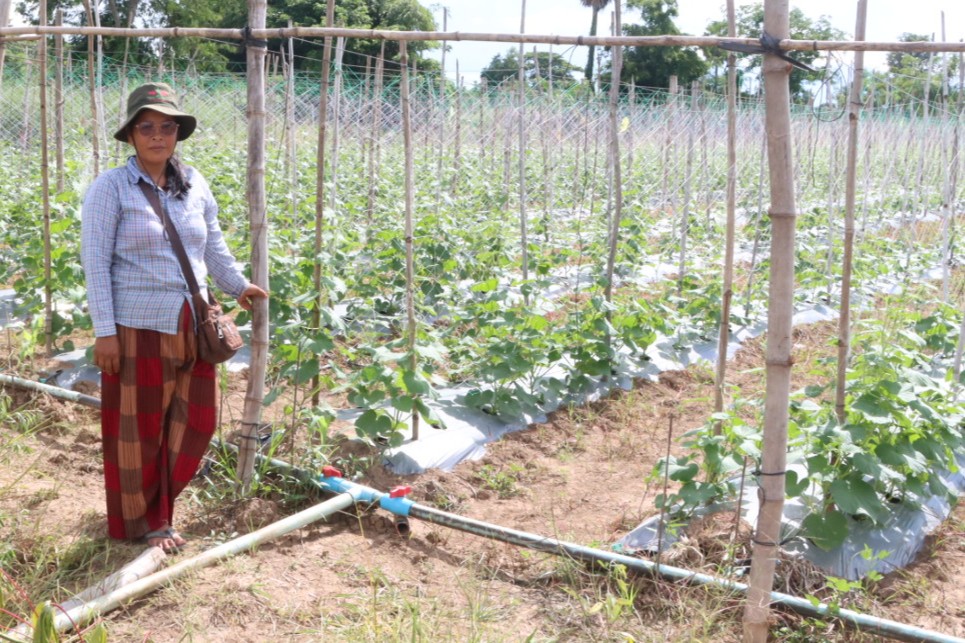
Phase 2 will expand project activities to Oddar Meanchey and Preah Vihear provinces and will implement a tailored agroecological curriculum showcased through hands-on field demonstrations and training. Using a peer-led approach, key farmers will recruit neighboring farmers to join them in learning about climate-smart techniques such as cover crops, biopesticides, and efficient water management, including irrigation technologies.
EWS-KT will also begin to verify farmers’ skills and knowledge through a certification program. Farmers who complete the training curriculum and pass a knowledge test will receive certification through EWS-KT and Wageningen University & Research (WUR), a leading global agricultural university in the Netherlands. This can pave the way for farm business expansion, including access to finance, branding, and other income-generating activities.
To train farmers, EWS-KT field staff will teach modules on a wide range of topics, including these agroecological and climate-resilient approaches:
Phase 2 will promote continued knowledge transfer by strengthening the capacity of Commune Agriculture Officers (government extension agents) and Community Farmer Trainers (motivated farmers trained as community trainers by EWS-KT) in regard to climate resilience and agroecology. In coordination with HEKS and the Provincial Department of Agriculture, Forestry, and Fisheries (PDAFF), EWS-KT will also support in-person technical training for agro-input dealers to ensure they have the knowledge to provide good advice to their customers.
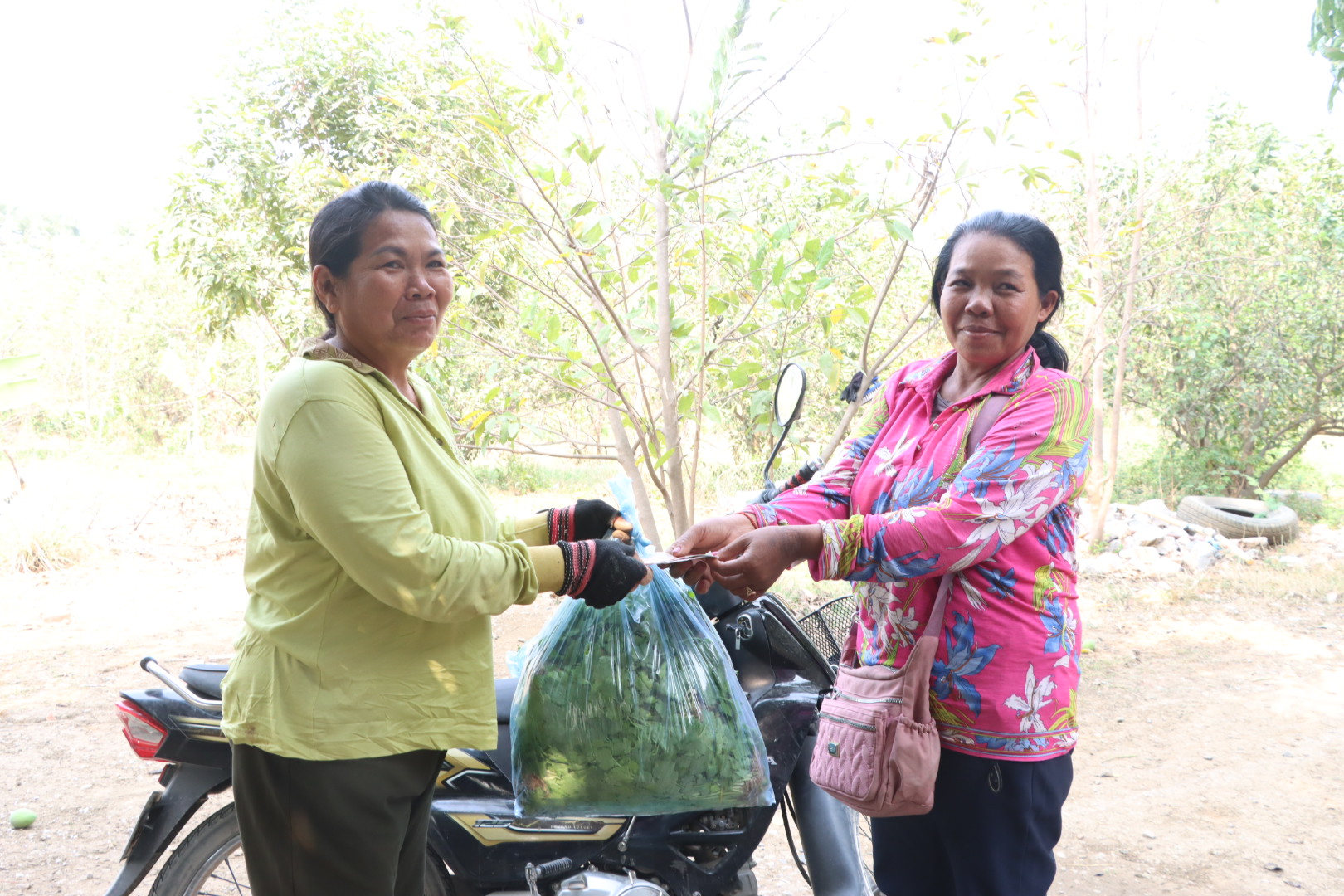
Market systems development is key to sustainable change in the horticulture sector, and Phase 2 will bring on board a Market Development Officer to increase long-term market partnerships and advance systemic change for both the fresh vegetable market and the agro-input supply chain that makes quality vegetable production possible.
Expected Outputs & Outcomes
EWS-KT Partners
Funding partners: Swiss Agency for Development and Cooperation (SDC), HEKS/EPER, and Caritas Switzerland
Project Period
1 April 2025 – 31 October 2026
Location
Cambodia: Banteay Meanchey, Battambang, Oddar Meanchey, and Preah Vihear provinces